
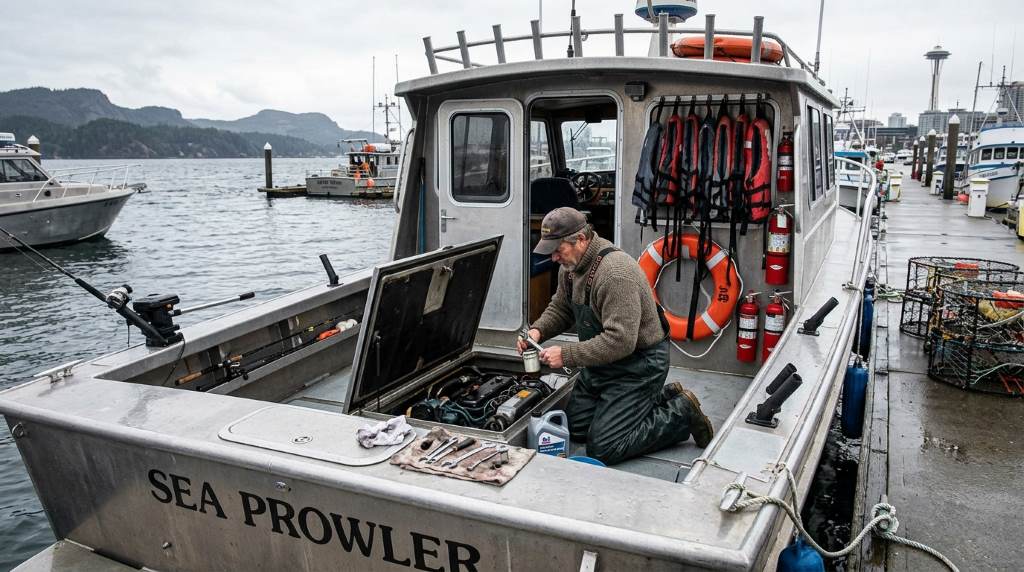
Seattle’s marine industry supports thousands of recreational and charter boating trips every year, and many charter captains also enjoy surfing along the rugged Pacific Northwest coastline. According to the National Marine Manufacturers Association, boat maintenance issues contribute to a large percentage of preventable marine breakdowns annually. Because Seattle’s saltwater conditions remain harsh throughout most of the year, regular upkeep becomes essential for safety and performance. Many experienced captains also follow mercury outboard fuel recommendations to improve fuel efficiency and protect engine components. Proper maintenance not only reduces repair costs but also helps captains maintain reliability during unpredictable Pacific Northwest conditions.
Seattle’s Harsh Marine Conditions Demand Extra Care
Seattle experiences frequent rainfall, cold temperatures, and high moisture levels throughout the year. These conditions create constant exposure to saltwater corrosion and equipment wear. As a result, charter captains must inspect their vessels more often than operators in calmer climates. Regular checks help prevent rust, electrical issues, and sudden mechanical failures during surf charters.
Cold Pacific water also affects surfing equipment stored aboard charter vessels. Moisture buildup inside storage compartments often damages ropes, wetsuits, and electronics over time. Therefore, captains should improve ventilation and keep surfaces dry after every trip. Many local operators also invest in lightweight surf gear choices that handle Seattle’s shifting weather more effectively.
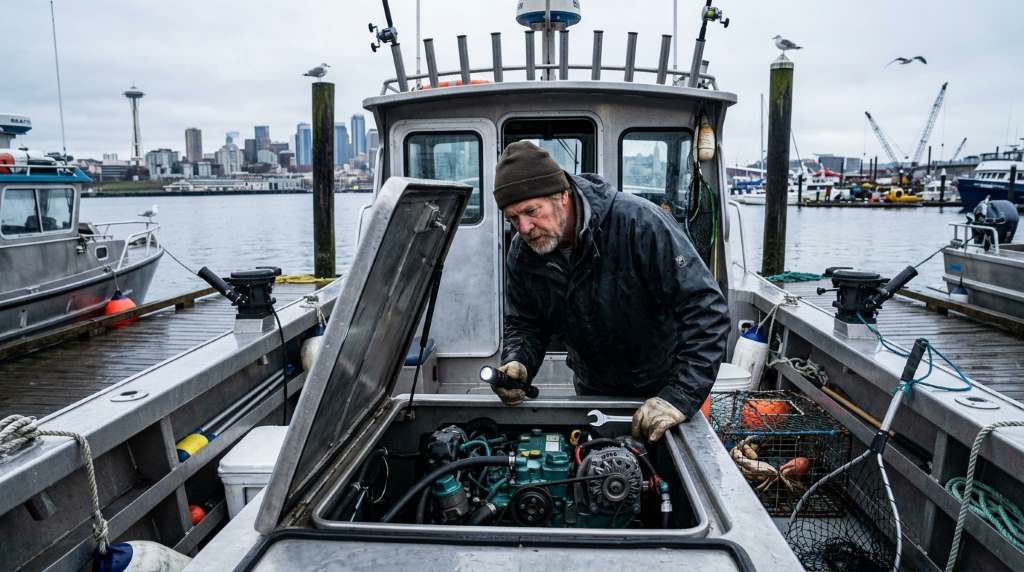
Engine Reliability Keeps Surf Charters Running Smoothly
Charter captains depend heavily on reliable engines during long coastal runs near Seattle’s surfing areas. Engine failures can quickly turn dangerous when rough tides and changing weather conditions appear unexpectedly. Because of this risk, scheduled engine inspections should remain a top priority for every operator. Oil changes, fuel filter replacements, and cooling system checks all support better long-term engine health.
Fuel contamination remains a common issue in Seattle’s damp environment. Water often enters fuel systems through condensation inside partially filled tanks. Consequently, captains should inspect tanks regularly and use marine-grade fuel stabilizers when necessary. Simple preventive maintenance often costs far less than major engine repairs or emergency towing expenses.
Signs Your Boat Engine Needs Immediate Attention
- Difficulty starting after short idle periods
- Excessive smoke during acceleration
- Unusual vibration while cruising offshore
- Reduced fuel efficiency during normal trips
- Overheating alerts or cooling problems
Hull Maintenance Improves Safety and Fuel Efficiency
Seattle’s marine waters contain barnacles, algae, and debris that quickly attach to boat hulls. These materials increase drag and force engines to work harder during every trip. Therefore, regular hull cleaning improves fuel efficiency and creates smoother navigation. Captains who ignore hull maintenance often experience higher fuel costs and slower vessel performance.
Protective hull coatings also play an important role in Seattle’s wet climate. Saltwater exposure gradually weakens untreated surfaces and causes structural problems over time. For this reason, many experienced charter operators schedule seasonal inspections and repainting when needed. Some captains also review saltwater rig maintenance practices because similar corrosion problems affect both fishing and surfing charter equipment.
Electrical Systems Require Constant Monitoring
Modern charter boats rely heavily on electrical systems for navigation, communication, and onboard safety equipment. Seattle’s constant moisture levels increase the risk of electrical corrosion and short circuits. Consequently, captains should inspect wiring, battery terminals, and fuse panels regularly. Small electrical failures often lead to major safety risks when ignored.
Battery maintenance becomes especially important during colder Seattle months. Low temperatures reduce battery performance and increase strain on starting systems. Therefore, captains should test batteries frequently and clean terminals to prevent corrosion buildup. Backup batteries also provide extra protection during long offshore surf excursions.
Essential Electrical Components to Inspect
- Navigation lights and radar systems
- Battery connections and voltage levels
- Emergency communication equipment
- Bilge pump wiring and switches
- GPS and sonar system connections
Surf Charter Safety Depends on Preventive Maintenance
Surf charters often operate in rough waters near rocky coastlines and changing Pacific tides. Because of these conditions, safety equipment must remain fully operational at all times. Captains should inspect life jackets, emergency rafts, and fire extinguishers before every departure. Routine inspections improve passenger confidence and reduce avoidable emergency situations.
Weather changes rapidly along the Seattle coastline, especially during fall and winter months. Sudden storms can create dangerous waves and strong currents within a short period. Therefore, captains need reliable navigation systems and emergency communication tools during every trip. Proper maintenance ensures critical systems function correctly when conditions become challenging.
Regular Maintenance Protects Business Reputation
Seattle charter businesses depend strongly on customer reviews and repeat bookings. Mechanical breakdowns or unsafe experiences quickly damage a captain’s reputation in the competitive marine tourism market. As a result, consistent maintenance directly supports customer satisfaction and long-term profitability. Reliable operations also encourage positive word-of-mouth recommendations among local surfing communities.
Professional appearance matters just as much as mechanical performance. Clean decks, organized equipment, and well-maintained cabins create a stronger impression on guests. Therefore, many successful charter captains include cosmetic inspections as part of their maintenance routine. Small details often influence whether customers return for future trips.
Benefits of Consistent Maintenance for Charter Businesses
- Reduced emergency repair costs
- Improved customer trust and safety
- Higher fuel efficiency during operations
- Longer vessel lifespan and resale value
- Better online reviews and referrals
Seattle’s Seasonal Changes Create Unique Challenges
Seattle’s marine environment changes significantly between seasons, which affects vessel maintenance schedules. Winter storms create rougher waters and increase exposure to debris and moisture. Meanwhile, summer months bring heavier charter activity and longer operating hours. Therefore, maintenance routines should adapt throughout the year to match seasonal demands.
Spring inspections become particularly valuable before peak surfing season begins. Captains should examine trailers, anchors, steering systems, and safety equipment after winter storage periods. Early inspections often reveal hidden issues before they become expensive repairs. Many operators also review surf equipment preparation tips to ensure all onboard gear stays in reliable condition for busy summer charters.
The Hidden Cost of Saltwater Corrosion
Saltwater corrosion remains one of the biggest threats to Seattle charter vessels. Corrosion spreads slowly across metal components and often goes unnoticed during daily operations. However, untreated corrosion eventually weakens critical systems like steering controls and engine mounts. Regular inspections help identify early warning signs before structural damage occurs.
Many charter captains underestimate how quickly corrosion develops in damp marine environments. Stainless steel parts still corrode when exposed to saltwater over long periods. Therefore, rinsing equipment with fresh water after every trip significantly reduces damage risks. Protective sprays and marine lubricants also extend the lifespan of expensive hardware.
Maintenance Planning Saves Time and Money
Unexpected repairs often disrupt charter schedules and reduce business income during busy seasons. Because of this, preventive maintenance offers a more cost-effective solution than emergency repairs. Captains who follow structured service schedules usually experience fewer operational delays. Organized maintenance also helps operators budget more accurately for annual expenses.
Digital maintenance logs have become increasingly useful for Seattle charter businesses. These systems track engine hours, service dates, and replacement schedules more efficiently than paper records. Consequently, captains can identify recurring problems before they escalate into major issues. Accurate records also improve resale value when upgrading vessels later.
Environmental Responsibility Matters in Seattle Waters
Seattle places strong emphasis on environmental protection and sustainable marine operations. Fuel leaks, oil spills, and poorly maintained engines can damage sensitive coastal ecosystems. Therefore, regular maintenance helps captains reduce pollution risks during surf charters. Clean engines also produce lower emissions and operate more efficiently overall.
Local customers increasingly prefer businesses that demonstrate environmental responsibility. Eco-conscious practices often improve brand reputation and attract repeat visitors. Consequently, proper maintenance supports both environmental goals and business growth opportunities. Responsible operations also help preserve Seattle’s beautiful marine environment for future generations.
Conclusion
Regular maintenance remains one of the most important responsibilities for charter captains surfing in Seattle, WA. Harsh marine conditions, saltwater exposure, and changing coastal weather all create constant pressure on vessels and equipment. Therefore, proactive inspections and preventive repairs help captains protect safety, improve reliability, and reduce operating costs. Operators who stay consistent with maintenance also strengthen their reputation and build long-term customer trust. If you run surf charters in Seattle, now is the perfect time to review your maintenance strategy and keep every trip operating safely and efficiently. Many professionals also follow trusted surf gear maintenance guides to improve overall equipment performance throughout the year.
FAQs
Why is boat maintenance especially important in Seattle?
Seattle’s wet climate and saltwater conditions increase corrosion and mechanical wear significantly.
How often should charter captains inspect their engines?
Most captains should inspect engines before every trip and schedule full servicing regularly.
What causes the most damage to charter boats in Seattle?
Saltwater corrosion and moisture buildup cause the majority of long-term vessel damage.
Can regular maintenance improve fuel efficiency?
Yes, clean hulls and properly serviced engines reduce fuel consumption considerably.
Does preventive maintenance help charter businesses financially?
Preventive maintenance reduces expensive emergency repairs and supports customer satisfaction.