

Swimrun is an exhilarating sport combining swimming and running across stunning natural landscapes. The story of the first-ever swimrun race finishers takes us back to Sweden, where a wild idea born from a late-night bet became a global phenomenon. This unique challenge tests endurance, teamwork, and grit as participants navigate islands and waters without changing gear. In this blog, we dive into the origins of swimrun, the journey of its pioneers, and the legacy they left behind. Whether you’re a seasoned athlete or a curious beginner, the story of the first-ever swimrun race finishers will inspire you to push your limits and embrace adventure.
Join us as we explore this incredible tale, uncovering the challenges, triumphs, and lessons from the first-ever swimrun race finishers. Let’s get started!
The Birth of Swimrun: A Drunken Bet in Sweden
The story of the first-ever swimrun race finishers begins in 2002 on the Stockholm archipelago in Sweden. Anders Malm, owner of Utö Värdshus hotel, and his friend Janne Lindberg, along with staff members, the Andersson brothers, were enjoying drinks late one night. Fueled by camaraderie and a bit of alcohol, they sketched a 75-kilometer course across 26 islands on bar napkins. The challenge? Teams of two would run and swim, island to island, passing three restaurants. The last team to reach Sandhamn would pay for the winners’ hotel, dinner, and drinks.
This crazy idea wasn’t just a one-off stunt. The grueling 28-hour journey tested their stamina and teamwork. Though exhausted, the group’s spirit laid the groundwork for a new sport. The story of the first-ever swimrun race finishers showcases how a playful bet turned into a test of human endurance, inspiring a movement that thrives today.
The First Swimrun Race: Challenges and Conditions
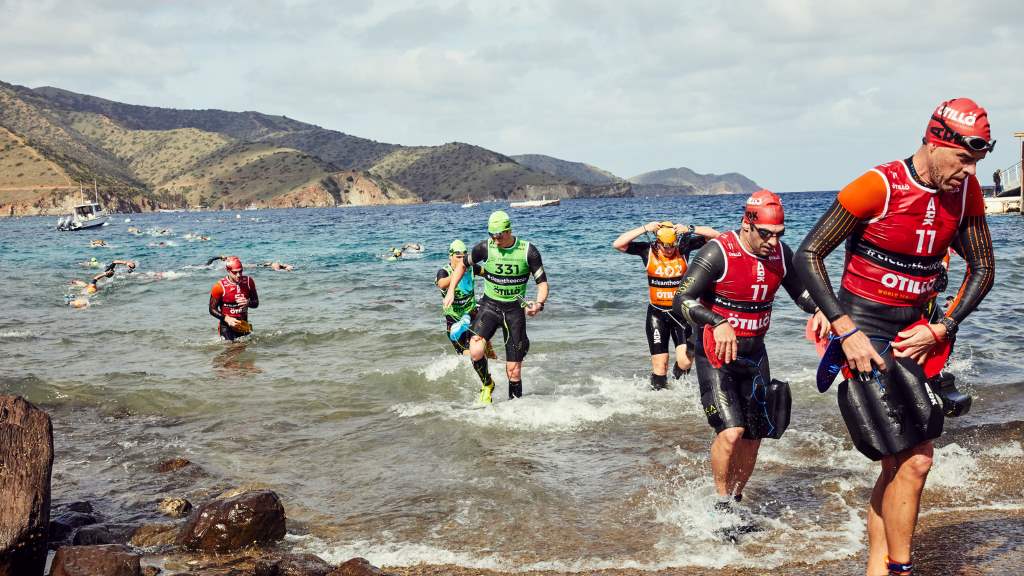
The first swimrun race, held in 2002, was a brutal test of willpower. Participants swam 10 kilometers and ran 65 kilometers across the rugged Stockholm archipelago. Unlike triathlons, they carried all gear—shoes, goggles, and more—from start to finish. The cold Baltic Sea, rocky terrains, and unpredictable weather made it a true adventure. No official timing or support existed; the only rule was to check in at three restaurants en route.
Imagine wading through icy waters in running shoes, then scrambling over slippery rocks! The teams battled fatigue, hunger, and the elements for over 24 hours. According to a 2019 article by Swimrun Australia, the original course demanded constant movement to succeed. The story of the first-ever swimrun race finishers highlights their resilience, proving that grit and teamwork can conquer even the toughest challenges.
Who Were the First-Ever Swimrun Race Finishers?
In 2002, two teams of two took on the wild challenge. Anders Malm and Janne Lindberg formed one team, while the Andersson brothers, staff at Utö Värdshus, made up the other. These pioneers had no prior swimrun experience—because the sport didn’t exist! They were friends and colleagues, driven by fun and a desire to test their limits. After 28 grueling hours, both teams crossed the finish line in Sandhamn, too tired to celebrate.
Though no official winner was declared, their completion marked a historic moment. The story of the first-ever swimrun race finishers isn’t about speed but survival. They carried everything, stayed within 10 meters of each other, and faced the unknown together. Their bond and determination set the stage for swimrun’s future, showing the power of partnership in extreme conditions.
The Evolution to a Commercial Race
The original 2002 challenge inspired a bigger vision. In 2005, the pioneers approached adventure racers Michael Lemmel and Mats Skott to turn their idea into a commercial event. Thus, ÖtillÖ (Swedish for “island to island”) was born in 2006. Eleven teams started, but only two finished within the time limit: Petri Forsman and Ville Niemelä, and Johan Hasselmark and Martin Sahlen. According to a 2019 PMC study, early finishers improved times as experience grew, with male teams cutting 17 minutes yearly.
The course flipped, starting at Sandhamn and ending at Utö. Rules solidified: teams of two, no gear changes, and constant movement. The story of the first-ever swimrun race finishers evolved from a bar bet to the ÖtillÖ Swimrun World Championship, now hailed by CNN as one of the toughest one-day races globally.
My Personal Connection to Swimrun
A few years ago, I joined a beginner swimrun event in a local lake area, inspired by the story of the first-ever swimrun race finishers. My partner and I trained for weeks, practicing transitions from swimming to running in soggy shoes. The 15-kilometer course—3 kilometers swimming, 12 running—was tough but thrilling. We waded through muddy shores and dashed across trails, cheering each other on. The cold water shocked me, but my teammate’s encouragement kept me going.
Finishing felt incredible, echoing the grit of those 2002 pioneers. I learned firsthand the value of teamwork and preparation. Their story pushed me to embrace the challenge, and I’ll never forget the rush of crossing that line. If they could endure 28 hours, I could tackle my own adventure!
Key Challenges Faced by the First Finishers
The first-ever swimrun race finishers faced unique hurdles. The 75-kilometer course demanded swimming in frigid Baltic waters—often below 16°C—while wearing running shoes. Running across rocky islands tested balance and endurance. No aid stations meant they carried food, water, and gear, adding weight and complexity. Weather was unpredictable, with wind and rain slowing progress.
Additionally, the 28-hour duration pushed physical and mental limits. Fatigue set in, yet they pressed on, relying on each other. The story of the first-ever swimrun race finishers teaches us resilience. They had no fancy wetsuits or paddles—just determination. A 2019 PMC review notes swimrun’s unique physiological stress, highlighting the need for preparation. Their triumph proves that teamwork and adaptability conquer all.
The Legacy of the First Swimrun Race
The story of the first-ever swimrun race finishers sparked a global movement. From that 2002 bet, swimrun grew to over 500 races across 24 countries by 2019, per Swimrun Australia. ÖtillÖ became the gold standard, crowned the Swimrun World Championship. The sport’s appeal lies in its raw nature—racing through wild landscapes, carrying all gear, and partnering up.
Today, events range from sprints (under 20 kilometers) to ultra-distances (over 70 kilometers). Rules honor the originals: teams stay close, no gear is dropped. The legacy inspires athletes to explore nature and push boundaries. New races, like Australia’s Rose Bay to Watson’s Bay, carry the torch. The first finishers showed us how to embrace adventure and teamwork.
Tips for Aspiring Swimrun Athletes
Inspired by the story of the first-ever swimrun race finishers? Here’s how to start:
- Train Both Disciplines: Swim in shoes and run wet to mimic race conditions. Aim for 2-3 sessions weekly.
- Gear Up Right: Use a swimrun wetsuit (elbow- and knee-length), grippy shoes, and optional paddles or buoys.
- Partner Up: Find a teammate for support. Stay within 10 meters, as rules demand.
- Practice Transitions: Move from swim to run without stopping. Time it to build speed.
- Start Small: Choose a 15-20 kilometer event. Check distances and cut-offs online.
Preparation is key. A 2024 Swimrun Advice guide suggests shorter races for beginners to build confidence. Train consistently, and you’ll be ready to tackle your own swimrun adventure!
Why Swimrun Continues to Grow
Swimrun’s rise is no surprise. It blends adventure, nature, and teamwork, drawing athletes worldwide. Since 2006, participation soared, with mixed teams making up 23% of ÖtillÖ races by 2016, per a PMC study. The sport’s flexibility—solo or duo, short or long—suits all levels. Courses through forests, lakes, and seas offer unmatched scenery.
Additionally, swimrun fosters community. Racers help each other, sharing the journey’s highs and lows. The story of the first-ever swimrun race finishers fuels this spirit, proving anyone can take on the challenge. New events pop up yearly, from Norway to Australia. It’s accessible—just grab shoes, a wetsuit, and grit. The sport’s growth shows no sign of slowing!
Conclusion
The story of the first-ever swimrun race finishers is a testament to human endurance and teamwork. From a 2002 bar bet in Sweden, Anders Malm, Janne Lindberg, and the Andersson brothers birthed a sport that’s now global. They battled cold waters, rugged islands, and 28 hours of exhaustion, setting a legacy of grit and partnership. Their journey turned into ÖtillÖ, a world-renowned challenge. Today, swimrun inspires thousands to explore nature and push limits.
This tale drives us to try new things and support each other. Ready to dive in? Share your thoughts or experiences in the comments! Better yet, spread the story of the first-ever swimrun race finishers by sharing this post. Join the adventure—your swimrun story awaits!
FAQs
What Is Swimrun?
Swimrun is a multi-stage race where athletes swim and run across a course, carrying all gear from start to finish.
Who Were the First-Ever Swimrun Race Finishers?
Anders Malm, Janne Lindberg, and the Andersson brothers completed the 2002 challenge across the Stockholm archipelago.
How Long Was the First Swimrun Race?
The original 2002 course spanned 75 kilometers—10 kilometers swimming and 65 kilometers running—lasting over 28 hours.
What Gear Do I Need for Swimrun?
You’ll need a wetsuit, running shoes, goggles, and optional paddles or buoys. Check event rules for specifics.
Where Can I Find Swimrun Races?
Search for events at sites like Swimrun Australia (swimrun.com.au) or the World of Swimrun calendar.