
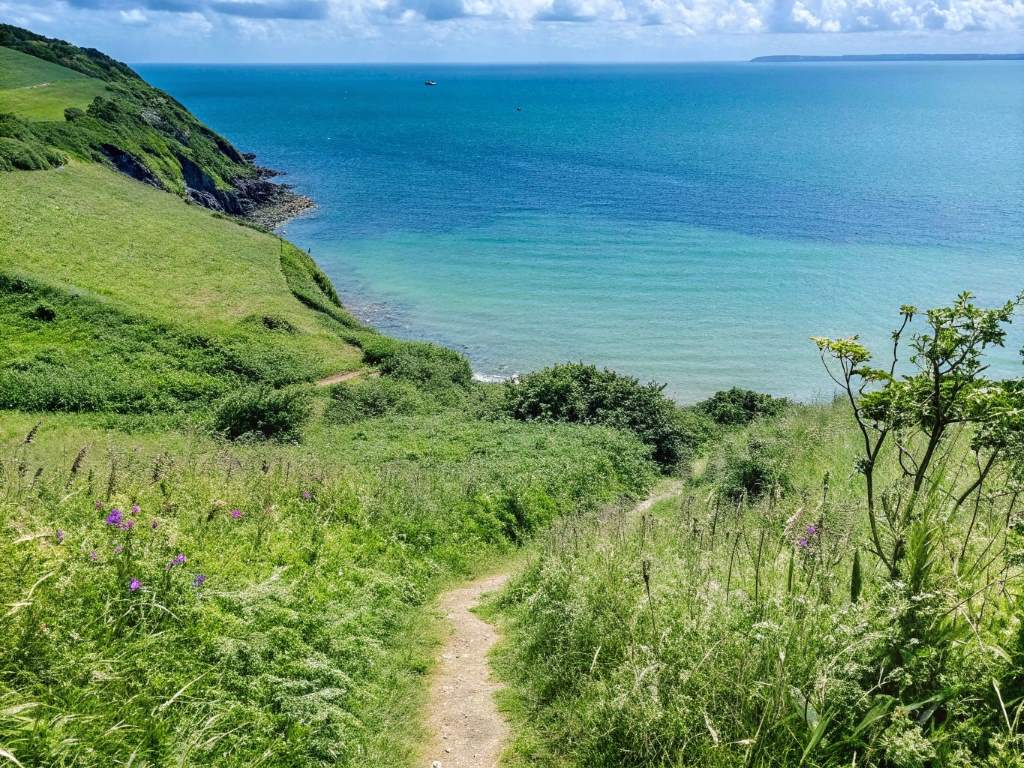
Swimrun training combines the thrill of open-water swimming and trail running, making coastal trails the perfect playground. The best coastal trails for swimrun training offer rugged paths, sandy beaches, and accessible waters for seamless transitions. This unique sport, born in Sweden, challenges your endurance and adaptability. Whether you’re a beginner or a seasoned athlete, finding the best coastal trails for swimrun training can elevate your skills. In this guide, we explore top locations worldwide, ideal for mastering this exciting discipline. Get ready to discover stunning scenery, practical tips, and expert insights to boost your performance. Lace up your shoes, grab your wetsuit, and dive into the adventure!
Why Coastal Trails Are Ideal for Swimrun Training
Coastal trails blend diverse terrains, perfect for swimrun’s unique demands. You’ll tackle sandy beaches, rocky paths, and cliffside routes, mimicking race conditions. Additionally, the proximity to open water allows quick switches between running and swimming. This setup builds strength, agility, and transition skills effectively.
The best coastal trails for swimrun training also offer natural beauty and mental benefits. Running beside crashing waves and swimming in clear bays can boost motivation. According to a 2021 study by the Outdoor Swimming Society, exercising in nature improves mental health by 30%. Therefore, these trails not only train your body but also refresh your mind. My first swimrun session on a coastal trail left me hooked— the salty air and varied terrain pushed me harder than any gym workout!
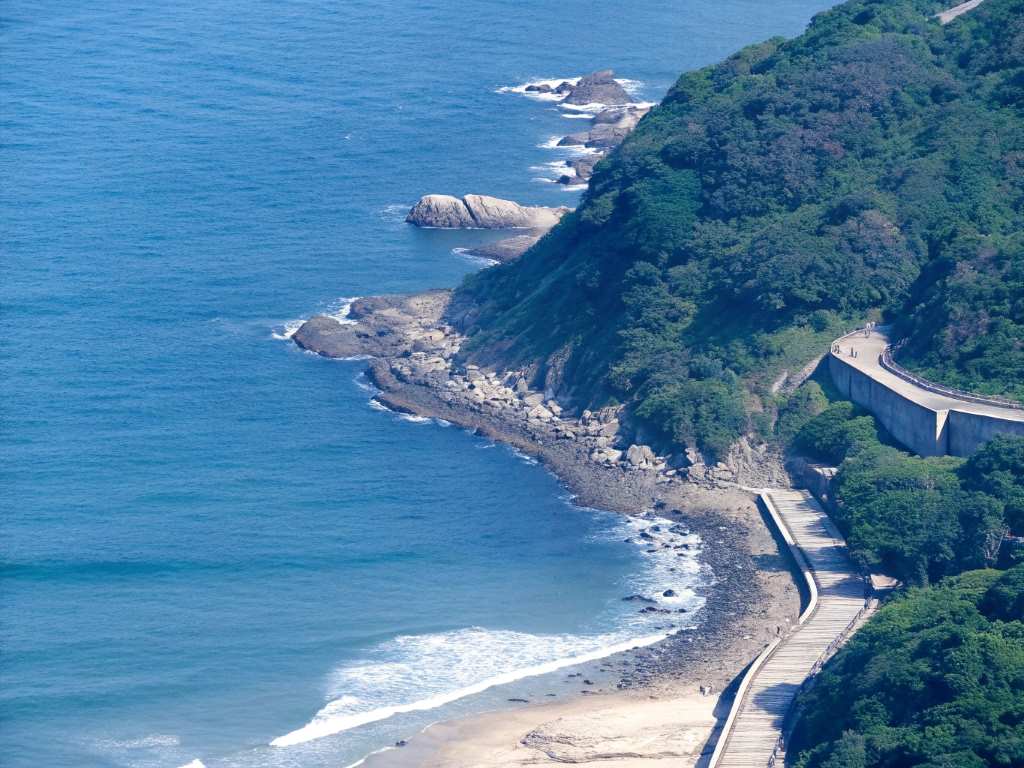
Top 5 Coastal Trails for Swimrun Training Worldwide
Ready to explore the best coastal trails for swimrun training? Here are five standout locations to hone your skills:
- South West Coast Path, UK: Spanning 630 miles, this trail offers rugged cliffs and Atlantic views. The St Ives to Zennor stretch is ideal, with rocky runs and cove swims.
- Fife Coastal Path, Scotland: The 10-mile Crail to Elie section mixes firm trails and beach runs. Dip into the North Sea for a bracing swim between segments.
- Giant’s Causeway, Northern Ireland: A 7-mile route from Dunseverick Castle features clifftop paths and ocean swims. The dramatic scenery fuels your drive.
- Monterey Bay, California, USA: This 18-mile trail from Castroville to Pacific Grove blends flat paths and beach runs. Swim alongside seals for an unforgettable session.
- Bondi to Coogee, Australia: A 7-km coastal path with rockface climbs and ocean pools. Perfect for practicing transitions in a stunning setting.
Each trail offers unique challenges. Pick one based on your skill level and location!
Key Features to Look for in Coastal Trails
Choosing the best coastal trails for swimrun training requires attention to key features. First, ensure varied terrain— sand, rocks, and trails test your agility and stamina. Accessible water entry points are crucial for smooth transitions. Look for calm bays or gentle shores to practice swimming safely.
Additionally, consider trail length and difficulty. Beginners should start with shorter, flatter routes, while advanced athletes can tackle hilly, technical paths. Safety is vital— check for clear trail markings and minimal crowds. A 2023 report by the National Trust highlights that well-marked trails reduce accidents by 25%. Finally, scenic views keep you motivated. I recall training on a coastal path in Devon, where the crashing waves and seal sightings made every step exhilarating!
Training Tips for Coastal Swimrun Trails
Mastering the best coastal trails for swimrun training demands smart preparation. Start with hybrid workouts— run a mile, then swim 500 meters to mimic race flow. Practice in your race gear: wetsuit, shoes, and goggles. This builds comfort and exposes issues like chafing early.
Next, focus on open-water swimming. Train in bays or lakes to adapt to currents and waves. Trail running is equally key— work on uphill and downhill techniques for varied terrain. Additionally, practice transitions. I struggled initially, fumbling with my pull buoy on a rocky shore. Repeated drills smoothed it out! Aim for three to four sessions weekly, mixing endurance and speed. Check out TrainingPeaks for structured swimrun plans to guide your progress!
Essential Gear for Swimrun Training on Coastal Trails
Gear can make or break your experience on the best coastal trails for swimrun training. Here’s what you need:
- Swimrun Wetsuit: Opt for a flexible, shorty wetsuit for buoyancy and breathability. Zone3’s Evolution wetsuit is a top pick.
- Shoes: Choose lightweight, quick-draining trail shoes with grip for wet rocks. Inov-8 X-Talon works well.
- Goggles: Clear, well-fitting goggles handle open-water visibility.
- Pull Buoy: Boosts leg buoyancy during swims— test it first!
- Tether: If training in pairs, an elastic cord keeps you connected safely.
Train with your gear to ensure comfort. I once swam with ill-fitting goggles and lost focus mid-session. Adjust early! For quality options, visit Swimrun Advice for reviews and tips.
Safety Considerations for Coastal Swimrun Training
Safety is critical on the best coastal trails for swimrun training. Always check weather and tide conditions before heading out. Strong currents or high winds can turn a fun session dangerous. A 2022 study by the RNLI notes that 40% of coastal accidents tie to poor weather awareness.
Next, train with a partner or inform someone of your route. Carry a whistle and a bright swim cap for visibility. Stick to marked trails to avoid slips or getting lost. I once misjudged a tide on a solo run and faced a tricky swim— a buddy would’ve helped! Finally, know your limits. Start small and build up to tougher trails safely.
How to Plan Your Swimrun Training Route
Planning a route on the best coastal trails for swimrun training takes strategy. Start by researching trail maps online— sites like AllTrails offer detailed coastal paths. Look for routes with clear swim entry points and varied running terrain. Aim for a mix of short swims (200-500 meters) and runs (1-5 miles) to match race conditions.
Next, check distances and difficulty. Beginners might plan a 5-km loop, while pros can tackle 10-15 miles. Factor in rest spots and water access for hydration. I planned a route along Monterey Bay, blending beach runs and bay swims— it was tough but perfect! Test your route once, tweak it, and time your segments for progress.
Benefits of Swimrun Training on Coastal Trails
Swimrun training on coastal trails boosts fitness and spirit. Physically, it builds endurance, strength, and agility across two disciplines. You’ll burn 600-800 calories per hour, per a 2024 Triathlete Magazine study. The varied terrain hones balance and power, too.
Mentally, the benefits shine. Running and swimming in nature reduce stress and lift mood. I felt alive training on Scotland’s Fife Coastal Path, with waves crashing and birds soaring. Additionally, the challenge fosters resilience and focus. Whether solo or with a partner, you’ll gain camaraderie and a sense of adventure. Try it— the best coastal trails for swimrun training await!
My Personal Swimrun Journey on Coastal Trails
My swimrun journey began on the South West Coast Path in the UK. I was nervous, unsure how to transition from sand to sea. The rugged cliffs and chilly Atlantic tested me, but the views fueled my drive. After stumbling through my first wet exit, I practiced daily, gaining confidence.
Over weeks, I tackled tougher sections, like St Ives to Zennor. The rocky runs built my legs, and cold swims sharpened my focus. By race day, I felt ready— and finished stronger than expected! The best coastal trails for swimrun training transformed me, blending challenge and beauty. Where will your journey take you? Share your story below!
Conclusion
The best coastal trails for swimrun training offer the ultimate blend of challenge and scenery. From the UK’s South West Coast Path to Australia’s Bondi to Coogee, these routes hone your skills and spirit. They test endurance, adaptability, and teamwork amid stunning seas and trails. With the right gear, safety prep, and training, you’ll thrive. My journey on these paths proved transformative— yours can be too! Explore the best coastal trails for swimrun training and push your limits. Which trail will you tackle first? Drop a comment or share this guide with friends to inspire their adventure!
FAQs
What is swimrun training?
Swimrun training combines open-water swimming and trail running. You alternate between both, wearing the same gear throughout for seamless transitions.
Why are coastal trails good for swimrun?
Coastal trails offer varied terrain and easy water access. They mimic race conditions, blending runs on sand or rocks with swims in bays or seas.
What gear do I need for swimrun on coastal trails?
You need a swimrun wetsuit, grippy trail shoes, goggles, and a pull buoy. A tether is useful for paired training— test everything first!
How do I stay safe on coastal swimrun trails?
Check weather and tides, train with a buddy, and carry a whistle. Stick to marked paths and know your limits for safety.
Where can I find the best coastal trails for swimrun training?
Top spots include the South West Coast Path (UK), Monterey Bay (USA), and Bondi to Coogee (Australia). Check AllTrails for maps and details!