
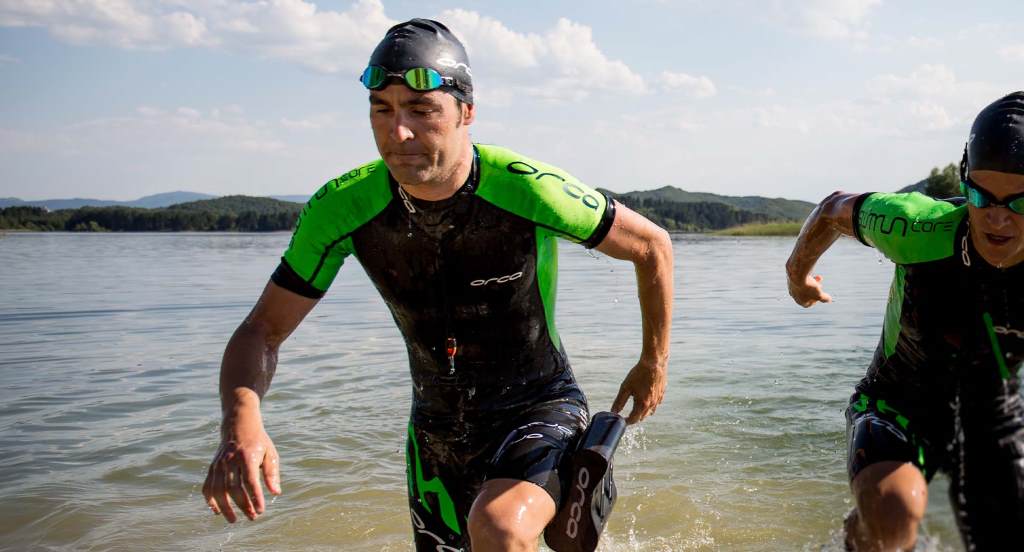
Imagine racing through a rugged trail, the salty breeze of the ocean nearby, then plunging into chilly waters for a swim, only to repeat the cycle again. This is swimrun, a thrilling sport blending trail running and open-water swimming. For beginners and seasoned athletes alike, buoyancy guards like pull buoys and calf guards are game-changers, offering vital support in swimrun racing. These tools counteract the drag from running shoes and short wetsuits, ensuring better body position and less muscle fatigue. In this storytelling review, I’ll share my journey with these aids, diving into their benefits, drawbacks, and top picks to help you navigate the natural environment of swimrun with confidence. Let’s explore how buoyancy aids can elevate your race day performance.
Understanding Swimrun Buoyancy Guards: What Are They?
Swimrun buoyancy guards, such as pull buoys and neoprene calf guards, are essential for maintaining optimal body position during swim sections. Unlike triathlon wetsuits, swimrun wetsuits are cut above the knee for running mobility, reducing lower-body buoyancy. This can cause legs to sink, especially when wearing swimrun shoes. Buoyancy guards compensate by lifting your legs, reducing drag and improving swimming technique. According to a 2019 study by Swimrun Labs, pull buoys can improve swim times by up to 10% when paired with swim paddles, showcasing their impact on efficiency.
My first swimrun event was a wake-up call. My legs sank like anchors in my short wetsuit, draining my energy. After experimenting with a pull buoy, I noticed a dramatic improvement in my swim speed and leg recovery. These aids, whether foam pull buoys or neoprene calf guards, are designed to balance buoyancy and practicality, ensuring you carry minimal gear while maximizing performance in the natural environment of swimrun racing.
Why Buoyancy Matters in Swimrun Racing
Buoyancy is critical in swimrun because it directly affects your swimming efficiency and energy conservation. Shoes create drag, and short wetsuits reduce natural flotation, leading to poor body position. Buoyancy guards like pull buoys or 8mm neoprene calf guards lift your lower body, streamlining your form. A 2022 review by Swimrun Australia noted that pull buoys reduce leg drag by up to 15%, allowing swimmers to focus on upper-body propulsion. This saves energy for the demanding run segments.
When I switched to using a pull buoy, my swim transitions felt smoother, and my legs were fresher for running. However, carrying a pull buoy during runs can be cumbersome, requiring smart mounting solutions like elastic straps. Calf guards, with their sandwich-like construction, offer a sleeker alternative but may not provide enough lift for everyone. Choosing the right buoyancy aid depends on your body type, race distance, and preference for minimal gear, making them indispensable for race day success.
Top Swimrun Buoyancy Guards: Pull Buoys Reviewed
Pull buoys are a staple in swimrun, offering high buoyancy to counter sinking legs. Here’s a look at some top options based on my experience and research:
- ARK Keel: Weighing 172g, this 28x26x12cm buoy provides 46.1N of buoyancy, ideal for beginners. Its saddle shape ensures a snug fit, enhancing hydrodynamics.
- NU Orza: At 150g and 24x27x10cm, it’s lighter and slimmer, offering flexibility for comfort but less buoyancy than the ARK Keel.
- HUUB Big Buoy: Delivers 34N of buoyancy, customizable for drag and lift. It’s perfect for those needing extra hip support but bulkier for runs.
In my second swimrun race, I used the ARK Keel, and its massive buoyancy transformed my swim. However, I struggled to secure it during runs until I drilled holes for elastic straps, a common DIY fix. These buoys are excellent training aids but require practice to manage transitions efficiently, especially in races with frequent swim-run switches.
Neoprene Calf Guards: A Sleek Alternative
Neoprene calf guards, like the Orca Swimrun Calf Guards, offer a streamlined alternative to pull buoys. With 8mm Yamamoto neoprene and a sandwich-like construction, they provide 18mm of foam interior buoyancy, lifting legs without the need to carry extra gear. Swimrun.com reports that 8mm calf guards can reduce drag by 10% compared to pull buoys, as they’re closer to the feet, leveraging the lever effect. They also protect against scratches and offer compression to reduce muscle fatigue.
I tested the Zone3 8mm Calf Sleeves during a chilly race in Maine. They kept my legs warm and buoyant, and I loved not fussing with a pull buoy during transitions. However, they felt warm during long runs, and sizing is critical—Orca’s guards run small, so check the size guide. For swim-heavy races, combining calf guards with a pull buoy can create super-buoyancy, ideal for tackling rough open water.
Pros and Cons of Using Buoyancy Guards
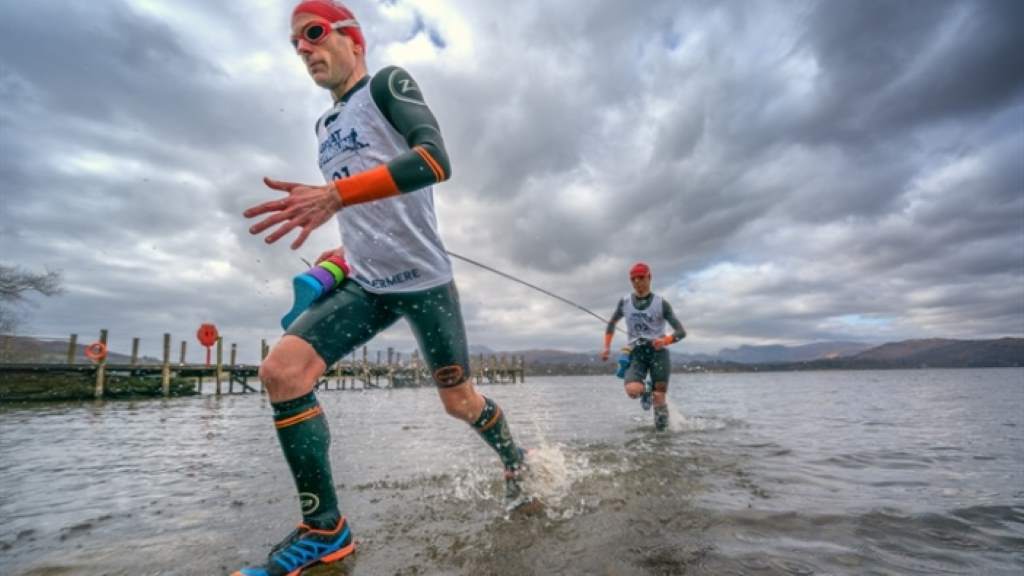
Buoyancy guards enhance swimrun performance, but they come with trade-offs. Here’s a breakdown to help you decide:
- Pros:
- Improve body position, reducing drag and boosting swim speed.
- Save leg energy for running, reducing muscle fatigue.
- Calf guards protect against scratches and provide compression.
- Pull buoys like ARK Keel+ are versatile for pool training too.
- Cons:
- Pull buoys require carrying and securing during runs.
- Calf guards may overheat during long runs in warm climates.
- Sizing issues (e.g., calf circumference) can affect fit and performance.
- Extra gear adds complexity to transitions.
My early races without buoyancy aids left me exhausted, but using the Synergy Swimrun Wetsuit with calf guards changed that. Still, I learned to test gear in training to avoid race-day surprises, like a loose pull buoy slowing my transitions.
How to Choose the Right Buoyancy Guard for You
Selecting the right buoyancy guard depends on your race goals, body type, and conditions. Consider these factors:
- Race Type: Swim-heavy races benefit from high-buoyancy pull buoys like the ARK Keel+. Run-heavy races favor calf guards for simplicity.
- Body Size: Smaller athletes may prefer the ARK Keel S or NU Calf Guards for less bulk.
- Water Temperature: 8mm neoprene accessories like Zone3 Calf Sleeves add warmth in sub-10°C water.
- Budget: Entry-level options like the Orca Vanir wetsuit and basic pull buoys cost under $250.
I learned this the hard way when I chose a bulky buoy for a short sprint race, slowing my runs. Check race rules (e.g., ÖTILLÖ’s 15x30x32cm buoy limit) and train with your gear.
Tips for Using Buoyancy Guards Effectively
To maximize buoyancy guards, follow these tips based on my trial and error:
- Test in Training: Practice transitions with your pull buoy or calf guards to ensure comfort.
- Secure Mounting: Use elastic straps or a race belt for pull buoys to avoid carrying them by hand.
- Check Sizing: Measure calf circumference for guards; a snug fit prevents slippage.
- Combine Aids: Pair calf guards with a pull buoy for super-buoyancy in long swims.
- Use Anti-Chafe Lotion: Prevent wetsuit rubbing, especially with calf guards.
In one race, I forgot to secure my pull buoy properly, and it flopped around my thigh, costing precious seconds. Training with my ARK Uto Air and swim goggles helped me perfect my setup, ensuring seamless transitions on race day.
Integrating Buoyancy Guards with Other Swimrun Gear
Buoyancy guards work best when paired with other swimrun gear. A swimrun wetsuit with a YKK zip and pockets complements pull buoys or calf guards, storing essentials like a HydraPak SoftFlask. Swimrun shoes, like the Hoka One One Speedgoat Evo, need drainage and grip to pair with buoyant aids. Swim paddles enhance propulsion but require practice to avoid shoulder strain. A GPS watch tracks performance, while polarized lenses in swim goggles improve visibility in open water.
During a coastal race, my ARK Sports Korp wetsuit and Zone3 Calf Sleeves worked in harmony, keeping me buoyant and protected. Adding a Restube Lifeguard for safety gave me peace of mind. Always train with your full kit, including mandatory swimrun race gear like a whistle, to ensure compatibility and comfort in the natural environment.
My Swimrun Journey: Lessons from the Field
My first swimrun was a chaotic mix of excitement and exhaustion. Without buoyancy guards, my legs sank, and muscle fatigue hit hard. After researching, I invested in the ARK Keel+ and Orca Swimrun Calf Guards. The difference was night and day—my swims felt effortless, and my runs were stronger. However, I learned to check delivery time for online orders, as my calf guards arrived just before race day. Retail stores or interest-free payments on platforms like eBay can help with urgent needs.
One mistake was underestimating the importance of a size guide. My first calf guards were too tight, restricting movement. Now, I always double-check sizing and train in my gear, ensuring active comfort. Sharing these lessons on platforms like the Swimrun Swap Meet helped me connect with others, reinforcing the community spirit of swimrun racing.
Elevate Your Swimrun with Buoyancy Guards
Buoyancy guards are more than accessories—they’re essential for mastering swimrun’s unique challenges. From pull buoys like the ARK Keel to neoprene calf guards, these aids enhance body position, reduce muscle fatigue, and improve swimming technique. My journey taught me their value, transforming my races from grueling to exhilarating. Whether you’re a beginner or a seasoned racer, choosing the right guard can make your race day unforgettable. Experiment with options, train smart, and dive into the natural environment with confidence. Share your swimrun stories or gear tips in the comments below, or spread this guide to inspire others!
FAQs
What are swimrun buoyancy guards?
Buoyancy guards, like pull buoys and calf guards, lift legs during swimrun, improving body position and reducing drag.
Can I use a pull buoy without a wetsuit?
Yes, but a swimrun wetsuit enhances buoyancy. Pull buoys alone help with leg lift, especially with shoes.
Are neoprene calf guards better than pull buoys?
Calf guards are sleeker and protect legs but offer less buoyancy. Pull buoys provide more lift but require carrying.
How do I secure a pull buoy during runs?
Use elastic straps or a race belt to attach the buoy to your thigh or waist for hands-free running.
Where can I find affordable swimrun gear?
Check retail stores, online platforms with interest-free payments, or the Swimrun Swap Meet for preloved gear.