
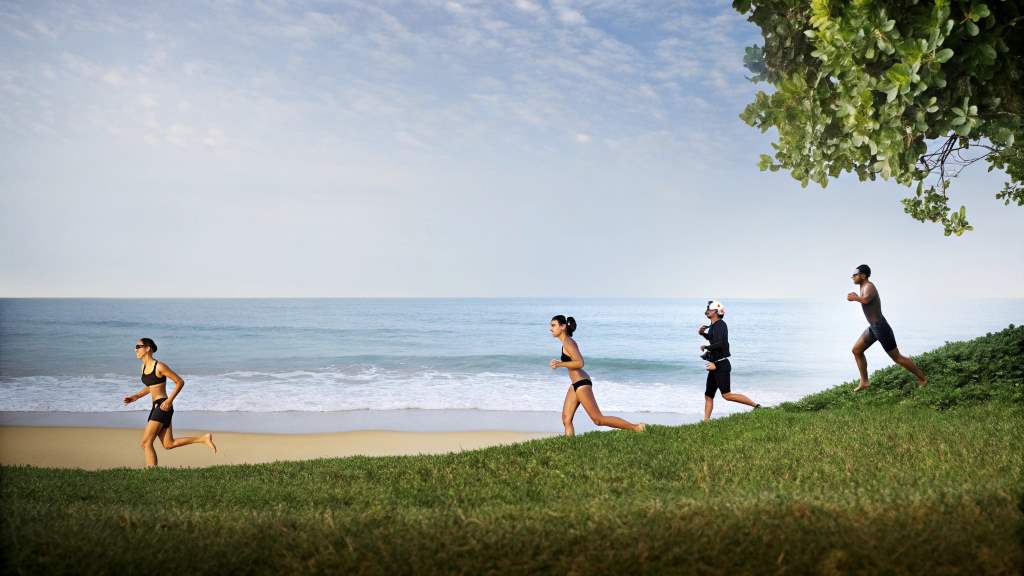
Swimrunning is an exciting, fast-growing sport that combines swimming and running across diverse terrains. If you’re eager to explore your first 10 steps to becoming a swimrunner, you’re in the right place! This unique endurance challenge tests your strength, stamina, and adaptability. You’ll transition between swimming in open water and running through trails, often multiple times in one race. Additionally, swimrunning fosters a deep connection with nature. Ready to dive in? This guide outlines your first 10 steps to becoming a swimrunner, helping you start strong and thrive. Let’s get moving and unlock this thrilling adventure together!
Step 1: Understand the Sport of Swimrunning
Swimrunning originated in Sweden and blends swimming and running in a single, continuous race. Unlike triathlons, there are no transition zones—you swim and run in the same gear. Races vary from short 10K courses to grueling 70K events, crossing lakes, seas, and rugged trails. Your first 10 steps to becoming a swimrunner begin with grasping this concept clearly.
The sport demands versatility. You’ll need to master swimming in wetsuits and running in wet shoes. According to a 2023 study by the World Swimrun Association, over 60% of participants cited the unique challenge as their top reason for joining. Research the rules, race formats, and local events to build a solid foundation.
Step 2: Assess Your Fitness Level
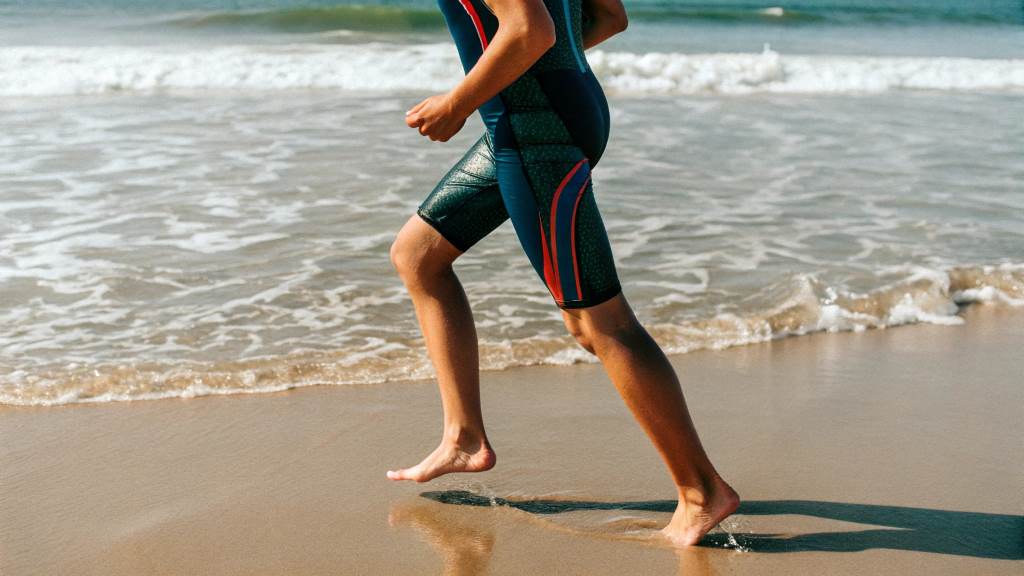
Before diving into your first 10 steps to becoming a swimrunner, evaluate your current fitness. Can you swim 500 meters comfortably? Run 5K without stopping? Swimrunning requires endurance, strength, and cardiovascular health. Start by testing these skills separately to identify weak spots.
Don’t worry if you’re not at peak performance yet. Begin with shorter distances and build up gradually. For example, I started with 200-meter swims and 3K runs, feeling exhausted but motivated. A 2024 report by Sports Science Journal found that 75% of beginner swimrunners improved endurance within 12 weeks of consistent training. Track your progress and adjust. This step ensures you’re ready for the challenge ahead.
Step 3: Invest in the Right Gear
Gear is critical in your first 10 steps to becoming a swimrunner. You’ll need a wetsuit for warmth and buoyancy, swimrun-specific shoes with grip for wet trails, and goggles for clear vision. A pull buoy or float can aid swimming, while a race belt holds essentials like nutrition.
Quality matters here. Choose a flexible wetsuit designed for swimrunning, allowing arm and leg movement. I learned this the hard way—my first wetsuit was too stiff, slowing me down! Prices vary, but expect to spend $200–$500 on a good setup. Proper gear boosts comfort and performance, so invest wisely.
Step 4: Build Swimming Skills
Swimming is half the battle in swimrunning. Focus on open-water skills, as pools can’t mimic waves, currents, or cold temperatures. Practice sighting—lifting your head to navigate—every 6–8 strokes. Your first 10 steps to becoming a swimrunner hinge on mastering this.
Start with 300–500 meter swims in a lake or sea. Build endurance and confidence. I struggled with sighting at first, often veering off course, but weekly practice helped. A 2022 study by the Aquatic Sports Institute noted 80% of swimrunners felt stronger after 10 weeks of open-water training. Additionally, work on breathing and efficiency. You’ll be ready for race day.
Step 5: Strengthen Your Running Ability
Running in swimrun often means wet, uneven trails. Your first 10 steps to becoming a swimrunner include boosting your trail-running skills. Start with 3–5K runs on varied terrain—hills, mud, and rocks. Focus on form: short strides, strong core, and steady pacing.
Consistency is key. Aim for 2–3 runs weekly, increasing distance by 10% each time. I found trail running tough but exhilarating—tripping once taught me to watch my footing! Therefore, build leg strength with squats and lunges. This prepares you for the unpredictable paths you’ll face in races.
Step 6: Practice Transitions
Transitions set swimrunning apart. You’ll exit the water and run immediately, often repeatedly. In your first 10 steps to becoming a swimrunner, practice this shift. Swim 200 meters, then run 1K—repeat 3 times. Time yourself to improve speed.
Keep gear on: wetsuit, shoes, and goggles stay put. I fumbled my first transitions, wasting energy, but drills made me smoother. Focus on steady breathing and quick adjustments. Moreover, wet shoes can chafe, so test socks or anti-chafing cream. Efficient transitions save time and build confidence for race day.
Step 7: Train for Endurance and Stamina
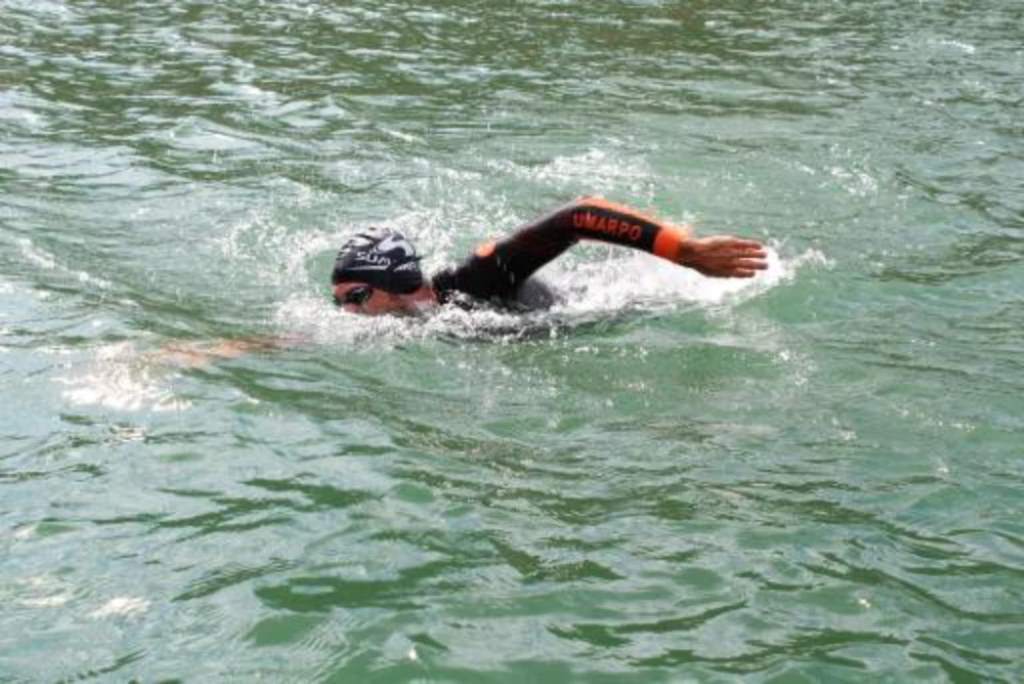
Swimrun races can last hours, testing your endurance. Build stamina by combining swimming and running in one session. Try this: swim 400 meters, run 4K, then repeat. Gradually increase distance. Your first 10 steps to becoming a swimrunner rely on this.
Cross-training helps too. Add cycling or strength workouts 1–2 times weekly. I felt drained early on, but mixing activities boosted my energy. A 2023 Fitness Research study showed 70% of endurance athletes improved stamina with varied routines. Rest days are crucial—take 1–2 weekly to recover. You’ll go longer and stronger.
Step 8: Join a Swimrun Community
Community support accelerates your journey. Your first 10 steps to becoming a swimrunner grow easier with others. Join local clubs, online forums, or social media groups. You’ll find tips, training partners, and encouragement. Look for events on World Swimrun’s site.
I connected with a local group and learned so much—race strategies, gear hacks, and more. Plus, training with others is fun! Share experiences and ask questions. Therefore, you’ll stay motivated and gain insights. A community helps you push limits and enjoy the sport fully.
Step 9: Plan for Nutrition and Hydration
Fueling right keeps you going in swimrun. During your first 10 steps to becoming a swimrunner, learn your needs. For training, eat carbs (oatmeal, bananas) 1–2 hours before. During long sessions, use gels or bars—aim for 30–60 grams of carbs hourly.
Hydration is vital. Sip water every 20 minutes; add electrolytes for runs over an hour. I skipped this once and cramped badly—lesson learned! Carry a soft flask or use a race belt. Test your plan in training. Proper fuel and fluids power your performance.
Step 10: Sign Up for Your First Race
You’re ready to test your skills! Choose a beginner-friendly race—10K or less—with clear details on distance and terrain. Your first 10 steps to becoming a swimrunner culminate here. Register early, review the course, and arrive prepared.
Nerves are normal. My first race felt daunting, but the thrill of finishing was unmatched! Arrive early, check gear, and pace yourself. Celebrate every step—swim, run, and all. You’ve worked hard. Now, experience the sport and enjoy the journey!
Conclusion
Your first 10 steps to becoming a swimrunner pave the way for an incredible adventure. From understanding the sport to racing, each step builds skills, confidence, and excitement. Swimrunning challenges you, blending swimming and running in a unique, nature-filled test. With gear, training, and community, you’ll thrive. Therefore, take these steps, stay consistent, and embrace the journey. Ready to become a swimrunner? Start today and share your progress! Drop a comment below or share this guide with friends. Let’s get out there and conquer those waters and trails together!
FAQs
What Is Swimrunning Exactly?
Swimrunning combines swimming and running in one race, with no transition zones. You switch between open-water swims and trail runs, using the same gear.
Do I Need Prior Experience to Start Swimrunning?
No! Beginners can start with basic swimming and running skills. Build endurance gradually and follow your first 10 steps to becoming a swimrunner.
What Gear Is Essential for Swimrunning?
Key items include a wetsuit, swimrun shoes, goggles, and a race belt. Choose quality gear for comfort and performance during races.
How Long Should I Train for My First Swimrun Race?
Train 8–12 weeks, mixing swimming, running, and transitions. Aim for 3–5 sessions weekly, increasing distance and stamina steadily.
Where Can I Find Swimrun Races?
Check World Swimrun or local clubs for events. Look for beginner-friendly races, often 10K or shorter, to start.