
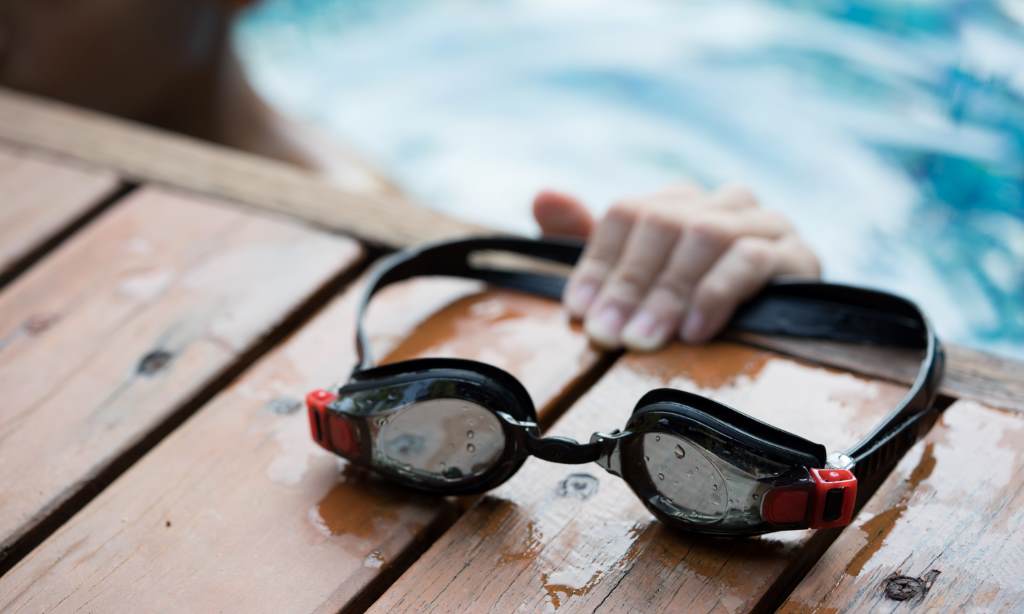
Swimming goggles are essential for a great swimrun, but fogging can ruin the experience. Imagine diving into a chilly lake, ready for an exhilarating swimrun, only to find your vision blurred by goggle fog. This frustrating issue affects many outdoor swimmers, especially in cold water. The temperature difference between your body and the water creates condensation, obscuring your field of vision. But don’t worry—there are effective methods to keep your swim mask clear. In this guide, we’ll explore why goggles fog, share practical anti-fog solutions, and fascinate you with tips from the swimming community. Whether you’re training for a race day or enjoying a swim workout, you’ll learn how to maintain clear lenses. Ready to dive in? Let’s ensure your next swimrun is fog-free!
Understanding Why Goggles Fog in Cold Water Swimrun
Goggle fog occurs when warm, moist air from your body temperature meets the cold lens surface. In a cold water swimrun, the temperature difference is stark—your body is warm, but the water is chilly, often below 15°C. This causes water molecules to condense on goggle lenses, reducing visibility. For outdoor swimmers, this can disrupt focus during a kilometre loop or swim practice.
The swimming pool is less prone to fogging due to controlled conditions, but open-water goggles face harsher challenges. Silicone seals and lens coatings can trap moisture, worsening the issue. Understanding this helps you choose the right gear and techniques. For instance, anti-fog coatings are designed to repel water molecules, but they wear off over time. Knowing the science behind fogging empowers you to take proactive steps.
Choosing the Right Swim Goggles for Cold Water
Selecting swimming goggles suited for cold water is key to preventing fog. Look for goggles with anti-fog coating or Anti-Fog Technology. Brands like Aqua Sphere offer models with durable coatings. Mirrored lenses or polarised lenses reduce glare, enhancing your field of vision in bright conditions, while UV protection shields your eyes.
Consider goggles with adjustable nose bridge adjustments and silicone head straps for a snug fit. Leaky goggles let water in, increasing fog risk. Prescription swim goggles are ideal for those needing vision correction. Check for curved lenses, which improve viewing angles. A well-fitted swim mask reduces moist air trapped inside, minimizing condensation. Always store goggles in a protective case to preserve coatings.
Effective Anti-Fog Solutions for Swimrun Goggles
Anti-fog solutions are game-changers for clear vision. Commercial anti-fog spray or anti-fog treatment creates a thin film on lenses, preventing condensation. Apply it before your swim workout, following the product instructions. Alternatively, natural methods work well. Baby shampoo, diluted with water, is a favorite in the swimming community. Apply a small amount, rinse lightly, and let it dry.
Dishwashing liquid or washing-up liquid can also reduce fog. Spread a drop on the lenses, rinse gently, and wipe dry. White vinegar is another option—mix with water, apply, and rinse. These methods are cost-effective and easy to use. However, avoid over-rinsing, as it removes the protective layer. Test solutions before race day to ensure they suit your goggles.
Top Anti-Fog Tips for Swimrun
- Apply Baby Shampoo: Dilute with water, coat lenses, and rinse lightly for lasting clarity.
- Use Anti-Fog Spray: Spray on dry lenses, let sit, and rinse gently before swimming.
- Try White Vinegar: Mix with water, apply to lenses, and rinse to prevent fogging.
- Avoid Touching Lenses: Oils from fingers can disrupt anti-fog coatings, causing fog.
- Store in Protective Case: Keep goggles safe to maintain lens coatings and clarity.
Common Mistakes That Cause Goggle Fog
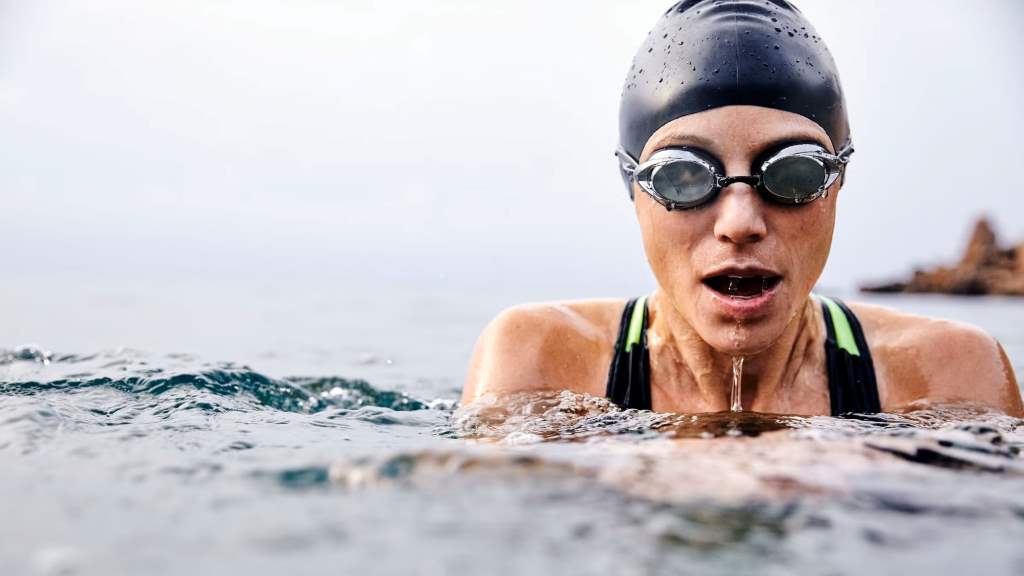
Even with the best swim kit, mistakes can lead to fogging. Touching the inside of goggle lenses with your fingers transfers oils, breaking down anti-fog protection. Another error is storing goggles in damp environments, like an air-conditioned building, which traps moisture. Over-rinsing anti-fog treatments before swimming removes their effectiveness.
Using worn-out goggles is a frequent issue. Anti-fog coatings degrade over time, especially on cheaper models. Ignoring small leaks also worsens fog, as water seeps in and traps moist air. During swim practice, check for leaks and adjust straps. Learning from these mistakes ensures a clearer swim experience. Always inspect your gear before hitting the Olympic Swimming Pool or open water.
Advanced Techniques for Fog-Free Goggles
For serious swimmers, advanced techniques can enhance anti-fog protection. Spit on the inside of your lenses, rub gently, and rinse lightly before swimming. This old-school trick, used by the US National team, leaves a thin film to reduce fog. Another method is to acclimate goggles to the water temperature before diving in. Dip them in the cold water briefly to minimize the temperature difference.
Consider photochromatic lenses or lens tints for variable light conditions, as they adapt to brightness and maintain clarity. For open-water goggles, ensure silicone seals are intact to prevent leaks. If fog persists, reapply anti-fog treatment mid-swimrun. These techniques, shared by outdoor swimmers, can make your swimrun unforgettable. Experiment during training to find what works best.
Fascinating Facts About Goggle Fog and Swimrun
Did you know goggle fog has been a challenge since swimming goggles were invented? Early swimmers used sand granules to roughen lenses, reducing fog—a far cry from today’s Anti-Fog Technology! The swimming community also shares quirky trivia: some NCAA championships swimmers swear by toothpaste as an anti-fog solution, though it’s less effective than modern sprays.
Interestingly, polarised lenses not only reduce glare but can slightly decrease fog by improving airflow. The swim experience is richer when you understand these quirks. For instance, a kilometre loop in cold water tests even the best goggles, but proper care makes a difference. These fun facts fascinate and inspire swimmers to experiment with their swim kit for optimal performance.
Maintaining Your Goggles for Long-Term Clarity
Proper maintenance extends the life of your swimming goggles. After each swim workout, rinse them with fresh water to remove chlorine or salt. Avoid hot water, as it damages anti-fog coatings. Dry goggles with a soft cloth and store them in a protective case to prevent scratches. Regularly check silicone head straps and seals for wear.
If your goggles have mirrored lenses or anti-UV coating, avoid abrasive cleaners like dishwashing liquid in high concentrations. For prescription swim goggles, ensure the lenses are treated with anti-fog solutions regularly. Following a goggle guide for care prevents fogging issues. Consistent maintenance keeps your swim mask ready for any race day or casual swim, ensuring a clear field of vision.
Goggle Maintenance Checklist
- Rinse After Use: Wash with cool, fresh water to remove chlorine or salt.
- Dry Gently: Use a soft cloth to avoid scratching lenses or coatings.
- Store Properly: Keep in a protective case to preserve anti-fog properties.
- Check Seals: Ensure silicone seals are intact to prevent leaks and fog.
- Reapply Treatments: Refresh anti-fog spray or solutions before each swimrun.
FAQs
Why do my goggles fog more in cold water?
Cold water creates a bigger temperature difference with your body, causing condensation on lenses.
Can I use household items to prevent goggle fog?
Yes, baby shampoo, white vinegar, or dishwashing liquid diluted with water work effectively.
How often should I apply anti-fog spray?
Apply before each swimrun, following product instructions, to maintain clear vision.
Are mirrored lenses better for preventing fog?
They don’t directly prevent fog but improve airflow, slightly reducing condensation risk.
How do I stop leaky goggles from fogging?
Adjust the nose bridge and straps for a snug fit to prevent water entry.
Conclusion
Preventing goggle fog in cold water swimrun is achievable with the right techniques and gear. From choosing goggles with anti-fog coating to using baby shampoo or anti-fog spray, you can keep your field of vision clear. Proper maintenance, like rinsing and storing in a protective case, ensures long-term clarity. Fascinating tricks, like spitting on lenses or acclimating goggles, add flair to your swim kit. Whether you’re tackling an Olympic Swimming Pool or a kilometre loop, these tips will enhance your swim experience. Don’t let fog ruin your race day—try these solutions and share your favorites in the comments below!