

The icy waves hit my legs, sending a shiver up my spine, but my swimrun gear kept me warm and focused. Swimrun, a thrilling sport blending swimming and running, demands the right equipment, especially in cold water conditions. The best swimrun gear for cold water conditions ensures warmth, flexibility, and safety, letting you conquer chilly races with confidence. In this post, I’ll share my journey through freezing waters and guide you on choosing top-notch gear, from wetsuits to accessories. Whether you’re a seasoned swimrunner or a newbie, this guide will help you thrive. Let’s dive into the essentials for mastering cold water swimrun!
Why Cold Water Swimrun Gear Matters
Cold water swimrun is no joke. Water temperatures below 15°C can zap your energy and risk hypothermia without proper gear. The best swimrun gear for cold water conditions protects your core, boosts buoyancy, and allows seamless transitions between swimming and running. According to a 2021 study by the Outdoor Swimming Society, proper insulation can extend safe swim time by up to 30% in 10°C water. My first swimrun in Norway taught me this the hard way—my thin wetsuit left me shivering mid-race.
Quality gear balances warmth with mobility. Thick neoprene keeps you insulated, but flexibility ensures you run without feeling like a robot. Safety accessories like buoys and caps are vital, too, enhancing visibility and flotation. Investing in reliable equipment means you stay comfortable and focused, no matter how cold the water gets.
Choosing the Right Swimrun Wetsuit
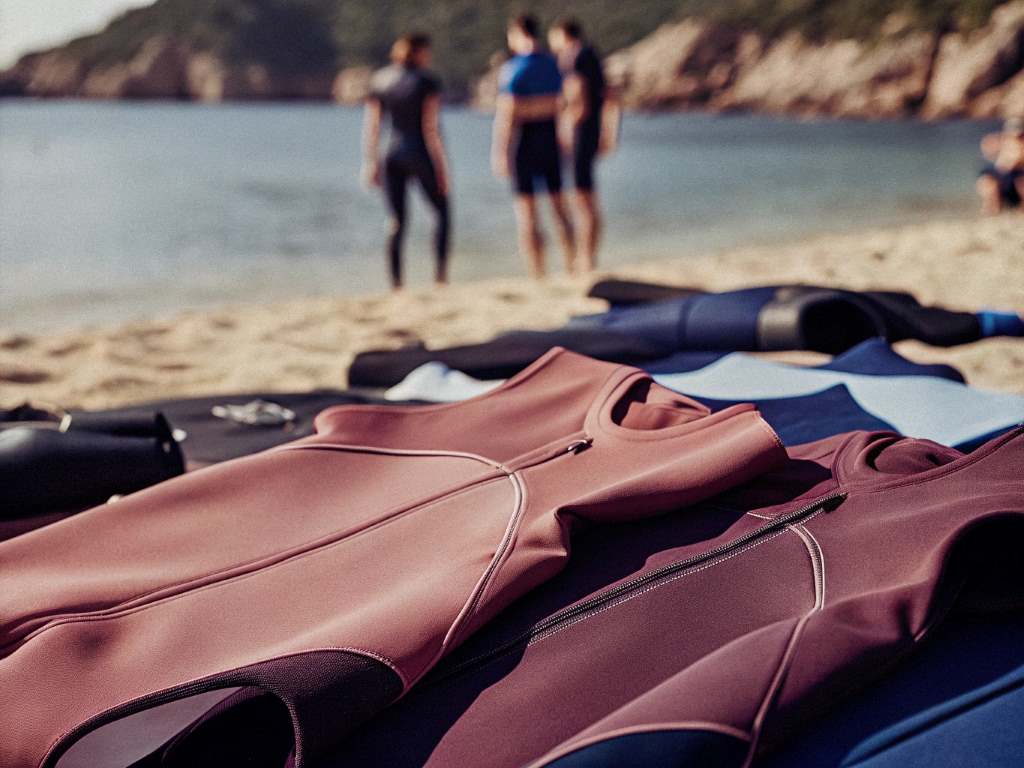
A wetsuit is the heart of swimrun gear for cold water conditions. Look for one with 3–5mm neoprene for insulation and flexibility. Brands like Orca and SUMARPO offer suits with front zips for easy ventilation during runs. According to a 2025 review by 220 Triathlon, the Orca Aesir Flex wetsuit excels in cold water due to its lightweight 3mm neoprene and removable arm sleeves. During a Swedish race, my Zone3 Evolution wetsuit kept me warm in 12°C water while allowing fluid running.
Consider features like buoyancy panels for better swim positioning and durable fabrics to resist rocky terrains. Pockets for nutrition and safety gear are a bonus. A well-fitted wetsuit feels like a second skin, keeping you warm without restricting movement. Always try before buying, as a poor fit can chafe or overheat you.
Essential Accessories for Cold Water Swimrun
Accessories make or break your cold water swimrun experience. Neoprene gloves, socks, and caps add warmth and protection. In my ÖTILLÖ race, neoprene socks saved my feet from sharp rocks and cold. A 2024 SUMARPO guide highlights that neoprene accessories can reduce heat loss by 20% in extremities.
- Neoprene Gloves: Choose 2–3mm thickness for dexterity and warmth.
- Swim Caps: Bright colors boost visibility; double up for extra insulation.
- Pull Buoys: Ark Sports Keel maximizes buoyancy, per Löw Tide Böyz.
- Safety Buoys: Mandatory for visibility and flotation in many races.
Paddles, like Frank Paddle Carbon Fiber, enhance swim speed but require practice. Goggles with anti-fog lenses ensure clear vision. These extras keep you safe, warm, and efficient, letting you focus on the race.
Footwear: Balancing Run and Swim
Swimrun shoes must handle wet, rugged terrain while minimizing drag in water. Trail running shoes with good drainage, like Salomon Speedcross, are ideal. During a Welsh swimrun, my trail shoes gripped slippery rocks, unlike my friend’s soggy trainers. A 2021 Swimrunner guide notes that shoes with low drop (4–6mm) enhance running efficiency on varied terrains.
Avoid heavy shoes that sink during swims. Some swimrunners use neoprene socks instead of buoys to lift legs, reducing drag. Test shoes in water to ensure they don’t weigh you down. Comfort is key—blisters from wet shoes can ruin your race. Break in your shoes during training to find the perfect fit for cold water conditions.
Nutrition and Hydration Gear
Cold water swimrun burns extra calories due to thermoregulation. A 2020 Löw Tide Böyz podcast states that cold water can increase energy expenditure by 15–20%. Wetsuits with pockets or race belts hold gels and collapsible bottles. In a Scottish race, my thigh pockets kept gels accessible, preventing an energy crash.
Collapsible bottles, like those from Amazon, are eco-friendly and easy to stow. Hydration is critical, as cold water increases urination, per the Outdoor Swimming Society. Pack enough nutrition for long races, and practice accessing it during transitions. Gear that secures food and water ensures you stay fueled without slowing down.
Safety Gear for Cold Water Swimrun
Safety is non-negotiable in cold water swimrun. Hypothermia and cold shock are real risks, with 7% of swimrunners reporting mild hypothermia symptoms, per a 2024 Tempo Sport study. A bright swim cap and safety buoy boost visibility. My partner’s orange cap was a lifesaver in choppy waters during a race.
A whistle, often mandatory, signals distress. Bungee cords keep you tethered to your partner, ensuring teamwork. Anti-chafe lotion prevents skin irritation from wet gear. Always check event rules for mandatory gear like bandages or compasses. These items keep you safe, letting you enjoy the adventure without worry.
Training Tips for Cold Water Swimrun
Training in cold water builds resilience. Start with short dips, gradually increasing time to acclimate. I began with 5-minute swims in 14°C water, working up to 20 minutes over weeks. The Outdoor Swimming Society recommends 11 minutes of weekly cold water exposure for health benefits.
Practice transitions in your gear to mimic race conditions. Test buoys and paddles to find what suits your style. Train with your partner to sync pacing and tether use. Mental preparation is key—visualize staying calm in cold water. Proper training with the best swimrun gear for cold water conditions builds confidence for race day.
My Cold Water Swimrun Journey
Last year, I tackled my first cold water swimrun in Norway’s fjords. The 10°C water was daunting, but my Orca wetsuit and neoprene gloves kept me warm. My pull buoy boosted my swim, but wet shoes slowed my runs until I switched to trail-specific ones. Learning to balance warmth and mobility was a game-changer. Each race taught me to trust my gear and body, turning fear into exhilaration. The right equipment transformed my experience, and I hope it does for you too.
Conclusion
Cold water swimrun is a thrilling challenge, but the best swimrun gear for cold water conditions makes all the difference. From insulated wetsuits to safety buoys, each piece keeps you warm, safe, and fast. My races taught me that quality gear boosts confidence and performance. Invest in flexible wetsuits, durable shoes, and smart accessories to conquer chilly waters. Ready to dive in? Share your favorite swimrun gear or tips in the comments below, or spread this guide to inspire others! For more swimrun insights, check 220 Triathlon.
FAQs
What is the best wetsuit thickness for cold water swimrun?
A 3–5mm neoprene wetsuit balances warmth and flexibility for cold water swimrun, ideal for temperatures below 15°C.
Why are pull buoys important in swimrun?
Pull buoys increase buoyancy, lifting hips to reduce drag and save energy during swims, especially in cold water.
Can I use regular running shoes for swimrun?
Trail running shoes with good drainage are better, as regular shoes may retain water, causing drag and blisters.
How do I prevent hypothermia in cold water swimrun?
Wear a wetsuit, neoprene accessories, and a swim cap, and limit exposure time to avoid hypothermia risks.
Are safety buoys mandatory for swimrun races?
Many races require safety buoys for visibility and flotation, so always check event rules before competing.