

Swimrun races push your body to the limit, blending swimming and running in a grueling test of endurance. After crossing the finish line, your muscles ache, and fatigue sets in. Cold water immersion, a recovery technique gaining popularity, can help. By submerging in chilly water, athletes can reduce muscle soreness, speed up recovery, and boost performance. I remember my first swimrun—my legs screamed after hours of transitions. A dip in a cold lake felt like magic, easing the pain. In this post, we’ll explore the benefits of cold water immersion for swimrun recovery, backed by science and personal experience. Ready to dive in? Let’s uncover how this method can transform your post-race routine.
What Is Cold Water Immersion?
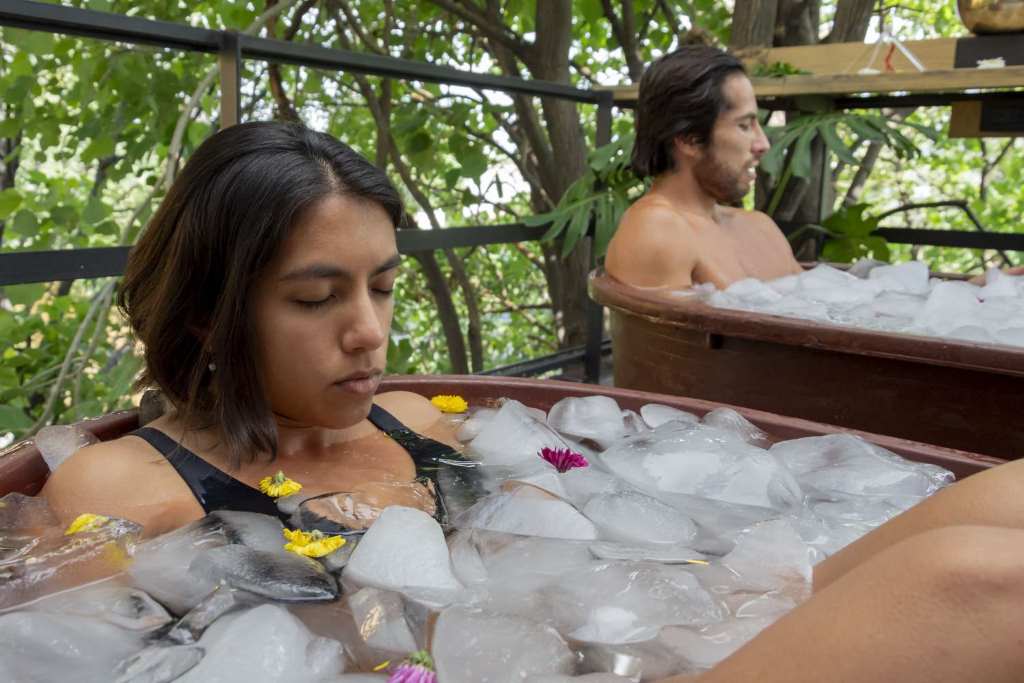
Cold water immersion involves soaking in water between 50°F and 59°F for 10–15 minutes. It’s a recovery tool used by athletes to combat muscle fatigue and inflammation. For swimrun athletes, who face unique physical demands, this method is a game-changer. The cold constricts blood vessels, reducing swelling and flushing out waste like lactic acid. Once you warm up, fresh blood rushes to muscles, delivering nutrients for repair.
I tried cold water immersion after a tough swimrun in Sweden. My calves were tight, but 12 minutes in a chilly stream left me refreshed. Research supports this: a 2017 study in the Journal of Physiology found cold water immersion reduced muscle soreness by 20% compared to passive recovery. This technique is simple, accessible, and effective for swimrun recovery.
How Cold Water Immersion Boosts Muscle Recovery
Swimrun taxes muscles with repetitive swimming and running cycles. Cold water immersion helps by reducing inflammation and muscle damage. The cold temperature slows metabolic activity, limiting further tissue breakdown. It also numbs nerve endings, easing pain perception. After immersion, rewarming enhances blood flow, speeding nutrient delivery to muscles.
A 2020 study in Sports Medicine showed athletes using cold water immersion recovered muscle strength 15% faster than those using rest alone. Personally, after a 10-minute cold plunge post-race, my legs felt lighter the next day. Transitioning from cold to warm environments maximizes these benefits, making it ideal for swimrun recovery. Try it after your next race—you’ll notice the difference.
Reducing Soreness and Fatigue
Post-swimrun soreness can linger for days, slowing your return to training. Cold water immersion tackles this by reducing delayed onset muscle soreness (DOMS). The cold constricts blood vessels, limiting fluid buildup that causes swelling. This process also flushes out metabolic waste, easing muscle stiffness.
During a coastal swimrun, I felt wrecked—my quads throbbed after rocky trails. A 15-minute cold water dip eased the ache significantly. According to a 2016 Journal of Sports Sciences study, cold water cut DOMS by 30% in endurance athletes. Additionally, it lowers perceived fatigue, helping you feel mentally refreshed. For swimrun athletes, this means quicker recovery and more consistent training. Next time, find a cold lake or tub to soothe those tired muscles.
Enhancing Mental Recovery and Focus
Swimrun isn’t just physical—it’s mentally taxing. Cold water immersion boosts mental recovery by reducing stress and improving mood. The shock of cold water triggers endorphin release, creating a natural high. It also lowers cortisol levels, helping you relax after a race. This mental reset is crucial for swimrun athletes facing unpredictable conditions.
After a rainy swimrun, I was drained. A cold plunge shifted my mood, leaving me energized. Research from Frontiers in Physiology (2019) shows cold water immersion improves mood by 25% in athletes. Furthermore, it sharpens focus for future training. Incorporating this into your swimrun recovery routine can keep you mentally sharp and ready for the next challenge.
Practical Tips for Cold Water Immersion
Ready to try cold water for swimrun recovery? Here’s how to do it right:
- Find the Right Spot: Use a cold lake, river, or ice bath. Aim for 50–59°F water.
- Time It Well: Immerse for 10–15 minutes within two hours post-race for best results.
- Stay Safe: Never immerse alone. Monitor for signs of hypothermia, like shivering or confusion.
- Gradual Entry: Ease into the water to avoid shock. Start with shorter sessions if new.
- Follow with Warm-Up: After immersion, warm up gradually with dry clothes or a hot drink.
I started with 5-minute dips, building up to 12 minutes. It’s tough but worth it. Always check water temperature and have a buddy nearby. For more tips, visit Sports Medicine’s guide on recovery techniques.
Potential Risks and How to Avoid Them
Cold water is effective but not without risks. Prolonged exposure can lead to hypothermia, especially in water below 50°F. Symptoms include intense shivering, confusion, or numbness. Additionally, those with heart conditions should consult a doctor, as cold water can strain the cardiovascular system. Overuse may also reduce muscle adaptation if done too frequently.
During my early attempts, I stayed in too long and felt dizzy. Now, I stick to 15 minutes max. A 2018 British Journal of Sports Medicine study warns against immersions longer than 20 minutes. To stay safe, always time your sessions, avoid solo plunges, and warm up afterward. Listen to your body to maximize swimrun recovery benefits without risks.
Why Swimrun Athletes Need Cold Water
Swimrun’s unique demands—wet transitions, varied terrains, and endurance—make recovery critical. Cold water immersion addresses these by reducing inflammation, soreness, and mental fatigue. Unlike traditional running or swimming, swimrun stresses multiple muscle groups simultaneously. This technique helps you bounce back faster, ensuring consistent training.
After my first season, I noticed quicker recovery with regular cold plunges. My training weeks were more productive, and races felt less daunting. The science backs this: cold water immersion enhances recovery by improving circulation and reducing muscle damage. For swimrun athletes, it’s a practical, natural tool to stay competitive. Explore more at Journal of Physiology.
Conclusion
Cold water immersion is a powerful ally for swimrun recovery. It reduces soreness, speeds muscle repair, and boosts mental clarity, helping you return to training stronger. My swimrun journey transformed with this technique—post-race aches faded, and my focus sharpened. Backed by studies, like those in Sports Medicine showing 15% faster recovery, it’s a proven method. Whether you’re a seasoned racer or new to swimrun, cold water immersion can elevate your performance. Try it after your next race, and share your experience below. Have tips or questions? Leave a comment or share this post with fellow athletes!
FAQs
What is the ideal water temperature for cold water immersion?
The ideal temperature is 50–59°F. This range reduces inflammation without risking hypothermia, making it effective for swimrun recovery.
How long should I stay in cold water for recovery?
Aim for 10–15 minutes. Shorter sessions work for beginners, but don’t exceed 20 minutes to avoid health risks.
Can cold water immersion help with mental recovery?
Yes, it boosts endorphins and lowers stress hormones, improving mood and focus, as shown in a 2019 Frontiers in Physiology study.
Are there risks to cold water immersion?
Hypothermia and cardiovascular strain are risks. Limit sessions to 15 minutes, avoid solo plunges, and consult a doctor if needed.
How often should I use cold water immersion for swimrun?
Use it post-race or after intense training, 1–2 times weekly. Overuse may hinder muscle adaptation, so balance with other recovery methods.