
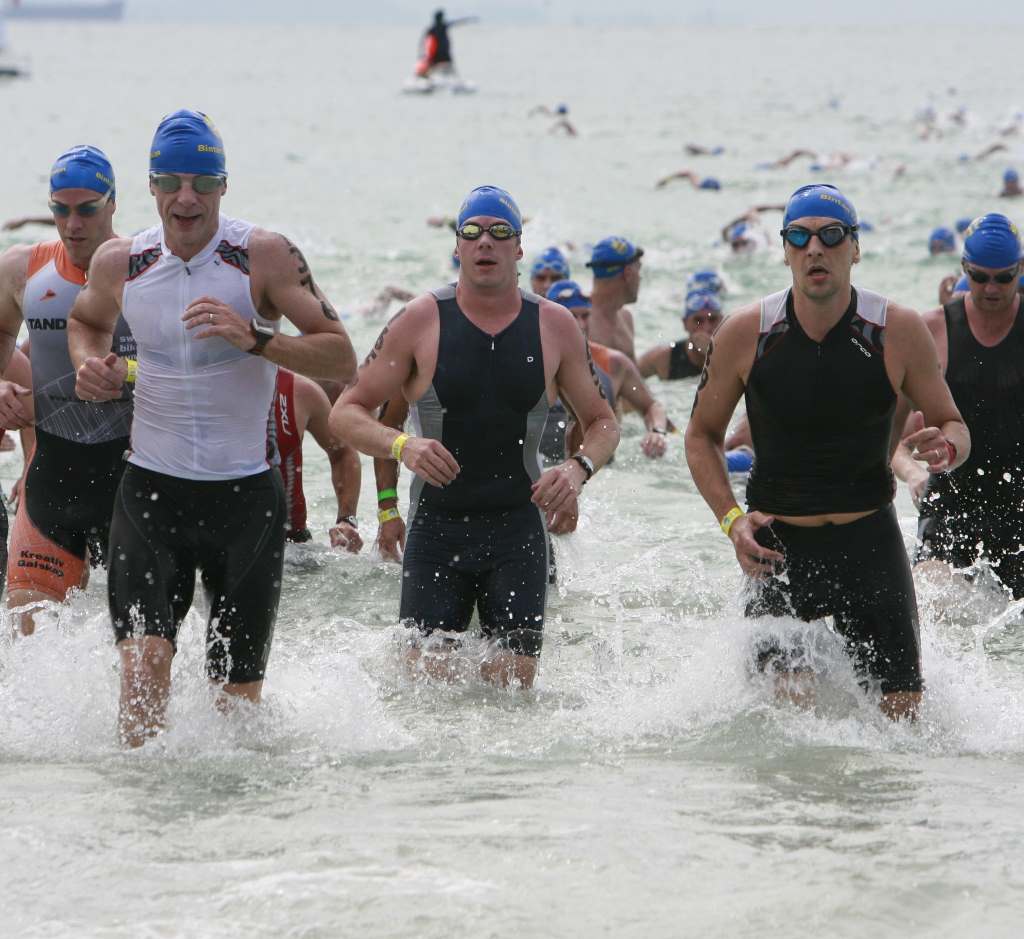
Swimrun races blend swimming and running, demanding peak endurance and energy. Pre-race nutrition fuels this grueling challenge, setting you up for success. As someone who’s tackled swimrun events, I’ve learned the hard way how food choices impact performance. One race, I ignored my nutrition plan and hit a wall mid-course. That taught me the value of proper fueling. This guide shares practical, research-backed tips to optimize your pre-race nutrition for a strong swimrun start. Whether you’re a newbie or a seasoned athlete, these strategies will help you conquer the course. Let’s dive into crafting a nutrition plan that powers your race!
Why Pre-Race Nutrition Matters for Swimrun
Swimrun races test your body’s limits with alternating swim and run segments. Proper nutrition ensures your muscles have the energy to endure. Without it, you risk fatigue, cramps, or worse, bonking. According to a 2021 study in Sports Medicine, athletes who optimized pre-race nutrition improved endurance by 15%. Carbohydrates and hydration are key, as they fuel glycogen stores and maintain fluid balance.
Your body burns glycogen fast during swimrun’s high-intensity efforts. Eating the right foods beforehand replenishes these stores, giving you stamina. Hydration also prevents dehydration, which can sap strength. My first swimrun taught me this—skipping breakfast left me sluggish. A solid nutrition plan keeps you strong from the start.
Timing Your Pre-Race Meals
Timing your meals is critical for swimrun success. Eating too early or too late can disrupt energy levels. Aim for a balanced meal 2–3 hours before the race. This allows digestion without leaving you hungry. A study from the Journal of the International Society of Sports Nutrition (2020) found that meals timed 2 hours pre-exercise boosted performance by 10%.
Include carbs, protein, and a little fat. For example, oatmeal with fruit and a boiled egg works well. Thirty minutes before the race, grab a small snack like a banana or energy gel for quick energy. I once ate too close to a race and felt bloated—lesson learned. Plan your timing to feel light and energized.
Choosing the Right Foods for Energy
Selecting the right foods fuels a strong swimrun start. Carbohydrates are your primary energy source, providing quick fuel for muscles. Opt for complex carbs like whole-grain toast, rice, or sweet potatoes. Pair them with lean proteins like chicken or yogurt to aid muscle repair. Healthy fats, like avocado, add sustained energy.
Avoid high-fiber or greasy foods that slow digestion. I made the mistake of eating a heavy pasta dish the night before a race and felt sluggish. Instead, try:
- Oatmeal with berries: Easy to digest, carb-rich.
- Rice and chicken: Balanced, light protein source.
- Banana with peanut butter: Quick carbs and healthy fat.
These choices keep your energy steady without stomach issues.
Hydration: The Unsung Hero of Swimrun
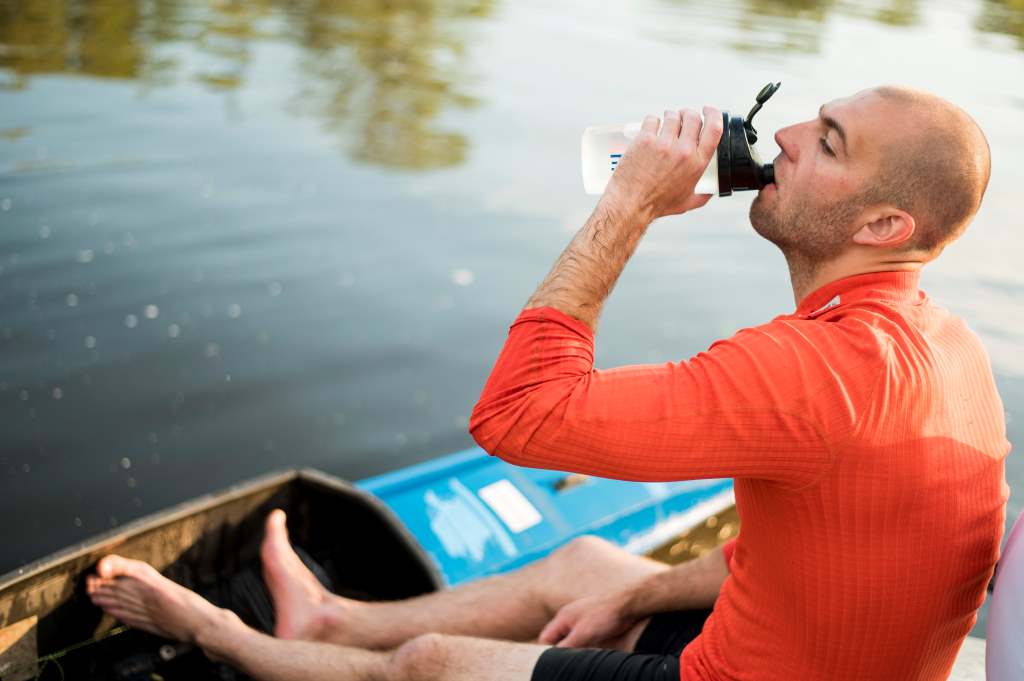
Hydration is vital for swimrun performance. Dehydration can cut performance by 20%, per a 2019 American College of Sports Medicine study. Start hydrating days before the race. Drink water consistently and add electrolytes to replace salts lost in sweat. Coconut water or sports drinks work well.
On race morning, sip 16–20 ounces of water 2 hours before the start. Avoid chugging right before, as it can cause bloating. During my first swimrun, I underestimated hydration and cramped during a swim. Now, I carry an electrolyte drink to stay balanced. Monitor urine color—pale yellow means you’re hydrated.
Supplements and Energy Gels: Do You Need Them?
Supplements like energy gels can boost performance, but they’re not mandatory. Gels provide quick carbs for mid-race energy. According to Nutrients (2022), gels taken 30 minutes before exercise improve stamina by 8%. Test them in training to avoid stomach upset. Caffeine can also enhance focus but use it sparingly.
I rely on gels for longer races, taking one 15 minutes before starting. Brands like GU or Maurten are popular. However, don’t overdo it—too many can cause nausea. Stick to familiar products and avoid experimenting on race day. Whole foods like bananas often suffice for shorter races.
The Night Before: Setting the Stage
The night before a swimrun shapes your race-day performance. Eat a carb-heavy dinner 12–14 hours before, like pasta with lean protein and veggies. This tops off glycogen stores. Avoid heavy sauces or spicy foods that might upset your stomach. A 2020 Journal of Sports Sciences study found carb-loading the night before boosted endurance by 12%.
Keep portions moderate to avoid feeling sluggish. I once overate pizza and woke up bloated—disaster. Pair your meal with water or an electrolyte drink. Get 7–8 hours of sleep to aid recovery. A calm, nutrient-rich evening sets you up for a strong start.
Race Morning Rituals for Success
Race morning is your final chance to fuel right. Eat a light, carb-focused breakfast 2–3 hours before, like toast with jam or a smoothie. Avoid new foods to prevent surprises. Sip water and electrolytes steadily. My go-to is a bagel with honey and a sports drink—it’s simple and effective.
Stretch gently and stay relaxed to aid digestion. If nerves make eating tough, try liquid options like a shake. A 2021 European Journal of Sport Science study showed liquid meals improve energy uptake by 10%. Arrive early to avoid rushing, ensuring your body is primed for the swimrun.
Common Nutrition Mistakes to Avoid
Even seasoned athletes make nutrition mistakes. Overeating before a race can cause bloating, while undereating leads to fatigue. High-sugar snacks might spike energy but cause crashes. I once downed a sugary soda pre-race and crashed halfway through. Stick to balanced meals.
Don’t try new foods or supplements on race day. Test everything in training. Dehydration is another pitfall—monitor fluid intake. Finally, avoid alcohol the night before; it disrupts sleep and hydration. Plan ahead to sidestep these errors and start strong.
Personalizing Your Nutrition Plan
Every athlete’s body is unique, so tailor your nutrition. Test meals during training to find what works. Factors like body weight, race distance, and climate affect needs. For example, hotter races demand more electrolytes. I discovered through trial that quinoa bowls suit me better than pasta.
Keep a food journal to track what fuels you best. Consult a sports nutritionist if possible. According to Sports Medicine (2021), personalized plans improve performance by 15%. Experiment with timing, portions, and foods to create a plan that feels like second nature on race day.
Conclusion
Pre-race nutrition is your foundation for a strong swimrun start. By timing meals, choosing the right foods, and staying hydrated, you set yourself up for success. My early races taught me that proper fueling transforms performance. With research-backed strategies, like carb-loading and hydration, you’ll hit the course with energy and confidence. Craft a personalized plan, avoid common mistakes, and test it in training. Your swimrun journey starts with smart nutrition—so fuel wisely and race strong!
Share your favorite pre-race meal in the comments or spread this guide to help fellow swimrun athletes!
FAQs
What’s the best pre-race meal for swimrun?
A carb-rich meal like oatmeal with fruit, eaten 2–3 hours before, fuels energy without bloating.
How much water should I drink before a swimrun?
Sip 16–20 ounces of water 2 hours before and include electrolytes to stay hydrated.
Can I use energy gels for a swimrun?
Yes, gels provide quick carbs, but test them in training to avoid stomach issues.
Should I carb-load the night before a swimrun?
Yes, a carb-heavy dinner like pasta boosts glycogen stores for better endurance.
What foods should I avoid before a swimrun?
Skip high-fiber, greasy, or spicy foods to prevent digestion issues during the race.