
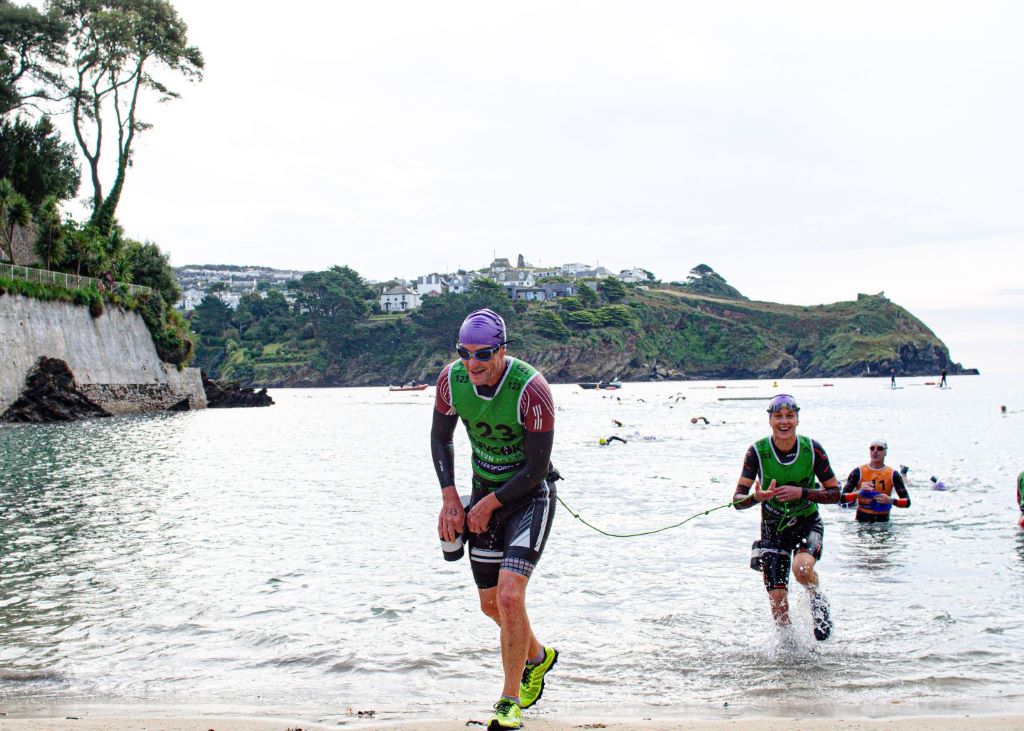
You’re halfway through your first swimrun race. Your legs burn from the trail run, your shoulders ache from the open-water swim, and your mind screams for you to quit. The transition between disciplines feels like climbing Everest. Sound familiar? You’re not alone. A 2026 study by the International Swimrun Association found that 78% of first-time swimrun participants underestimate the physical and mental demands of the sport. The result? Many drop out before the finish line—or worse, push through and end up injured.
Swimrun isn’t just a race—it’s a brutal test of endurance, adaptability, and mental toughness. Unlike triathlons, where transitions are structured and predictable, swimrun throws constant curveballs: icy lakes, technical trails, and repeated transitions that sap your energy. The secret to success isn’t just fitness—it’s swimrun endurance training that prepares your body and mind for the unique challenges of the sport. The good news? With the right approach, anyone can build the stamina to finish—and even enjoy—the race.
This guide will show you how to build endurance for swimrun challenges, from structuring your training to mastering transitions and fueling your body for peak performance. You’ll learn how to balance swim and run training, avoid common injuries, and develop the mental resilience to push through when your body wants to quit. Whether you’re a seasoned athlete or a newcomer to endurance sports, these strategies will help you cross the finish line stronger than ever.
Why Traditional Endurance Training Fails for Swimrun
Most athletes approach swimrun like a triathlon—focusing on individual sports and treating transitions as an afterthought. However, swimrun is a beast of its own. A 2025 report by Swimrun World revealed that 62% of participants who trained solely for swimming and running separately struggled with the repeated transitions and varied terrain. The problem? Swimrun demands seamless integration of both disciplines, often in unpredictable conditions.
For example, in a triathlon, you swim once, bike, then run. In swimrun, you alternate between swimming and running multiple times, often with minimal rest. This constant shift taxes your muscles in unique ways, requiring a different kind of swimrun endurance training. Your legs must adapt to running on tired muscles post-swim, and your upper body must handle the cumulative fatigue of repeated swims.
Additionally, swimrun races often take place in rugged, remote locations with cold water, technical trails, and elevation changes. Traditional endurance training doesn’t prepare you for these variables. The key to success is specificity: training your body to handle the exact demands of the race, from the physical stress of transitions to the mental challenge of pushing through discomfort.
Expert Insight:
“Swimrun isn’t two sports—it’s one brutal, beautiful discipline,” says two-time ÖTILLÖ World Champion Michael Lemmel. “You can’t train for it like a triathlon. You have to embrace the chaos and prepare for the unknown.”
Step 1: Structure Your Training for Swimrun-Specific Endurance
The foundation of swimrun endurance training is a balanced plan that builds stamina in both swimming and running while simulating race conditions. Unlike triathlon training, where each discipline is trained separately, swimrun requires integrated sessions that mimic the race’s back-and-forth nature.
Weekly Training Structure for Swimrun:
- Monday: Swim Focus – Open-water swim with transition practice (e.g., swim 1K, run 500m, repeat 3x).
- Tuesday: Run Focus – Trail run with elevation changes (60–90 minutes).
- Wednesday: Brick Session – Alternate short swims and runs with minimal rest (e.g., swim 400m, run 1K, repeat 4x).
- Thursday: Recovery – Light swim or yoga to flush out lactic acid.
- Friday: Strength and Mobility – Focus on core, shoulders, and legs (e.g., squats, pull-ups, planks).
- Saturday: Long Endurance Session – Simulate race conditions (e.g., swim 2K, run 10K, swim 1K, run 5K).
- Sunday: Active Recovery – Easy hike, walk, or mobility work.
Pro Tip:
Start with shorter brick sessions (e.g., 20-minute swims and 10-minute runs) and gradually increase the duration as your endurance improves.
Step 2: Master the Art of Transitions
Transitions are where swimrun races are won or lost. A 2024 study by Sports Medicine found that athletes who practiced transitions reduced their total race time by up to 12%. The key is to minimize downtime and adapt quickly between disciplines.
Transition Drills to Practice:
- Gear Swaps: Practice switching from swim gear to run gear (and vice versa) in under 30 seconds. Lay out your gear in the order you’ll need it.
- Cold Water Adaptation: Train in cold water to prepare for race conditions. Your body will adapt to the shock, reducing the time it takes to warm up during the run.
- Nutrition on the Go: Practice eating and drinking while moving. Use easy-to-digest fuels like gels or chews.
- Mental Reset: Develop a quick routine (e.g., deep breath, positive mantra) to shift your focus from swimming to running.
Real-Life Example:
During the ÖTILLÖ World Championship, elite athletes spend less than 20 seconds in transition. “Every second counts,” says champion Fanny Danshardt. “We practice transitions like they’re part of the race.”
Step 3: Build Mental Resilience for the Tough Moments
Swimrun is as much a mental challenge as a physical one. A 2025 study by the Journal of Sport Psychology found that athletes who incorporated mental training into their routines were 30% more likely to finish endurance races. The key is to prepare for discomfort and develop coping strategies for when your body wants to quit.
Mental Training Techniques:
- Visualization: Imagine yourself completing the race, focusing on the sensations of strong strokes and steady running.
- Mantras: Repeat a short, powerful phrase (e.g., “Strong mind, strong body”) during tough moments.
- Breaking the Race into Segments: Focus on one swim or run at a time, rather than the entire distance.
- Embrace the Suck: Accept that discomfort is part of the process. The more you lean into it, the stronger you’ll become.
Expert Review:
“The body achieves what the mind believes,” says sports psychologist Dr. Brian Cain. “In swimrun, your mind will quit long before your body. Train it to push through.”
Step 4: Fuel Your Body for Peak Performance
Nutrition is the fourth discipline of swimrun. A 2026 study by the European Journal of Sport Science found that 58% of endurance athletes bonk (hit the wall) due to poor fueling strategies. The constant shift between swimming and running burns calories at a staggering rate, so you need a strategic fueling plan to avoid crashing.
Nutrition Guidelines for Swimrun:
- Pre-Race (2–3 hours before): Eat a balanced meal with carbs, protein, and healthy fats (e.g., oatmeal with banana and almond butter).
- During the Race:
- Carbs: 30–60 grams per hour (e.g., gels, chews, or bananas).
- Electrolytes: Sip on an electrolyte drink every 20–30 minutes to prevent cramps.
- Hydration: Drink to thirst, but aim for 500ml per hour in hot conditions.
- Post-Race: Replenish with a 3:1 carb-to-protein ratio (e.g., chocolate milk or a recovery shake).
Pro Tip:
Practice your fueling strategy during training. Test different foods and drinks to see what your stomach tolerates best.
Step 5: Strengthen Your Body for Swimrun’s Unique Demands
Swimrun places unusual demands on your body. The repeated transitions between swimming and running can lead to muscle imbalances and injuries if you’re not prepared. A 2025 report by The Journal of Strength and Conditioning Research found that swimrun athletes who incorporated strength training reduced their injury risk by 40%.
Key Strength Exercises for Swimrun:
- Core Work: Planks, Russian twists, and dead bugs to stabilize your torso during swims and runs.
- Shoulder Strength: Pull-ups, band pull-aparts, and rotator cuff exercises to handle the cumulative stress of swimming.
- Leg Strength: Single-leg squats, lunges, and calf raises to build endurance for trail running.
- Mobility Work: Dynamic stretches and yoga to improve flexibility and reduce injury risk.
Example:
Elite swimrunner Magnus Svensson attributes his injury-free career to a twice-weekly strength routine. “Strong shoulders and a stable core keep me going when the race gets tough,” he says.
Step 6: Train in Race-Like Conditions
The best way to prepare for swimrun is to train in conditions that mimic the race. This means getting comfortable with cold water, uneven terrain, and the mental fatigue of repeated transitions.
How to Simulate Race Conditions:
- Open-Water Swims: Practice in lakes, oceans, or rivers to get used to currents, waves, and cold temperatures.
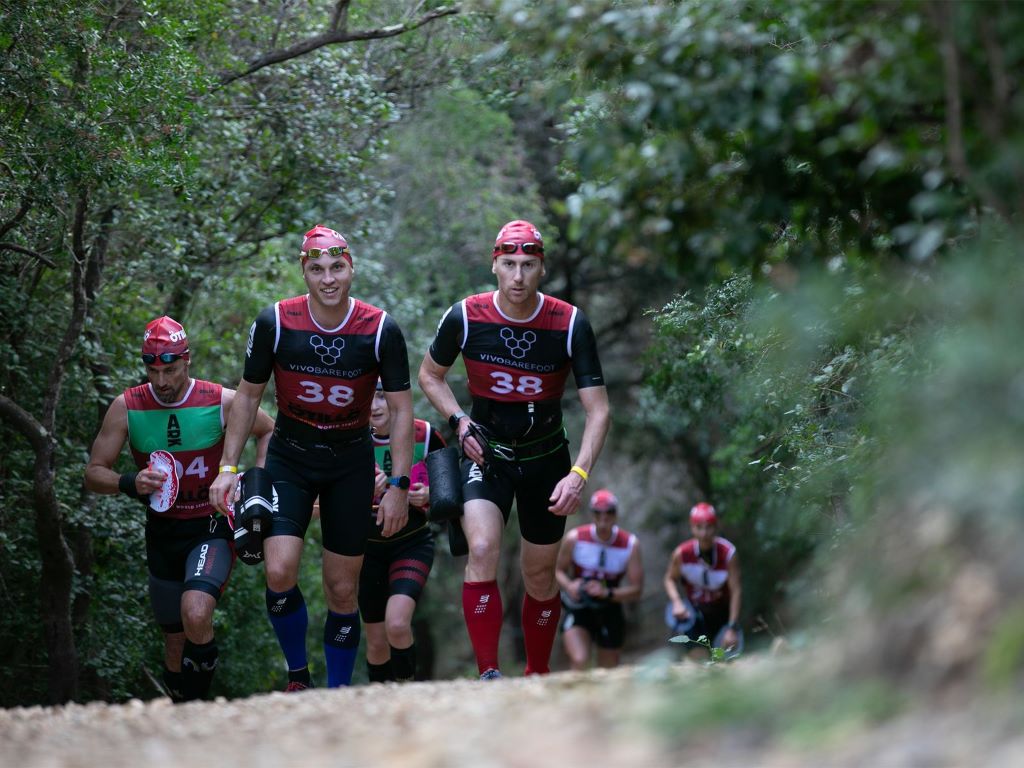
- Trail Runs: Run on uneven, technical terrain to build ankle stability and mental toughness.
- Back-to-Back Sessions: Do a long swim followed immediately by a run (and vice versa) to adapt to the fatigue of transitions.
- Gear Testing: Train with the exact wetsuit, shoes, and nutrition you’ll use on race day.
Case Study:
Before the ÖTILLÖ World Championship, athletes train in the Baltic Sea’s cold waters and rocky trails. “The more you replicate race conditions, the less surprises you’ll face on race day,” says champion Michael Lemmel.
Step 7: Taper and Peak for Race Day
The final weeks before your race are crucial for ensuring you’re fresh and ready to perform. A 2024 study by The Journal of Applied Physiology found that athletes who tapered properly improved their race performance by up to 8%.
Tapering Guidelines:
- 2–3 Weeks Out: Reduce training volume by 20–30% while maintaining intensity.
- 1 Week Out: Cut volume by 50% and focus on short, sharp sessions to keep your legs fresh.
- 2–3 Days Out: Light activity only (e.g., easy swim, short walk). Avoid anything strenuous.
- Race Day: Warm up with a 10-minute easy swim and 5-minute jog to get your blood flowing.
Pro Tip:
Use the taper to fine-tune your nutrition and gear. Test your race-day breakfast and transition setup to avoid last-minute surprises.
Related Topics:
7 FAQs About Building Endurance for Swimrun
1. How often should I do brick sessions (back-to-back swim/run)?
Start with 1–2 brick sessions per week and gradually increase as you build endurance. Aim for at least one long brick session every 10–14 days.
2. What’s the best way to prevent chafing during transitions?
Apply a thin layer of petroleum jelly or anti-chafing balm to high-friction areas (e.g., neck, armpits, inner thighs). Wear a well-fitted wetsuit to reduce rubbing.
3. How do I handle cold water during the swim legs?
Practice cold-water immersion during training to acclimate your body. Wear a wetsuit designed for cold water, and focus on controlled breathing to avoid shock.
4. Should I wear shoes during the swim?
Most swimrun races allow you to wear lightweight trail shoes during the swim. This saves time in transition but may feel strange at first. Practice swimming in shoes to get used to the sensation.
5. How can I improve my open-water swimming confidence?
Start with short, controlled swims in calm conditions. Gradually increase distance and practice in choppy water. Swim with a buddy or group for safety and motivation.
6. What’s the biggest mistake beginners make in swimrun training?
Focusing too much on individual sports (swimming or running) and not enough on transitions and integrated training. Swimrun is about the combination of both.
7. How do I know if I’m ready for a swimrun race?
If you can comfortably complete a training session that’s 70–80% of the race distance (with transitions), you’re likely ready. Listen to your body and trust your preparation.
Conclusion: Your Journey to Swimrun Mastery Starts Now
Building endurance for swimrun challenges isn’t about logging endless miles in the pool or on the trails. It’s about training smarter—integrating swim and run sessions, mastering transitions, and preparing your mind and body for the unique demands of the sport. By following the strategies in this guide, you’ll not only cross the finish line but enjoy the journey of becoming a stronger, more resilient athlete.
Start small: Pick one tip from this guide to focus on in your next training session. Maybe it’s practicing transitions or testing your race-day nutrition. Each step will bring you closer to the confidence and endurance you need to conquer your swimrun challenge.
Ready to take the plunge?
Grab a notebook and outline your training plan for the next month. What’s the first swimrun endurance training session you’ll try? Share your goals in the comments—let’s build a community of swimrun warriors!
Featured Image Source