
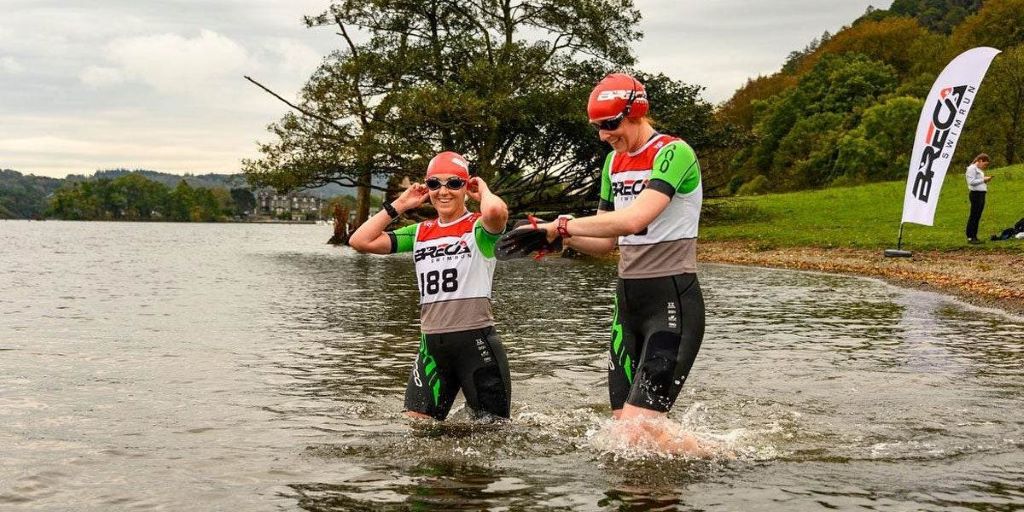
Imagine this: You’re standing at the edge of a crystal-clear lake, heart pounding, wetsuit clinging to your skin. The starting horn blares, and suddenly, you’re sprinting into the water, swimming toward the unknown. Minutes later, you emerge, shake off the water, and take off running—no transitions, no breaks, just pure, unfiltered endurance. Welcome to the world of swimrun, the fastest-growing multisport discipline that’s redefining what it means to push your limits.
Swimrun competitions blend trail running and open-water swimming into a single, seamless race. Unlike triathlons, there are no transitions—you wear your wetsuit, shoes, and gear for the entire event. The sport, born in Sweden in 2006, has exploded in popularity, with races now held across Europe, North America, and beyond. According to the International Swimrun Association, participation has grown by over 200% in the last five years, attracting athletes from all backgrounds.
But here’s the catch: Swimrun isn’t just about being a strong swimmer or runner. It’s about mastering the art of switching between disciplines while navigating rugged terrain and unpredictable conditions. Many first-timers underestimate the challenge, only to find themselves struggling halfway through. The good news? With the right swimrun competition training, anyone can conquer this exhilarating sport.
This guide will walk you through everything you need to know—from gear selection to race-day strategies—so you can cross the finish line with confidence. Whether you’re a seasoned endurance athlete or a curious beginner, your swimrun journey starts here.
What Is Swimrun, and Why Is It Taking the Endurance World by Storm?
The Origins of a Unique Sport
Swimrun began as a drunken bet between friends in the Stockholm archipelago. The challenge? Run and swim between 24 islands, covering 75 kilometers with no outside assistance. What started as a wild adventure soon became a global phenomenon. Today, swimrun races range from sprint distances (5-10 km) to grueling ultra-events (50+ km), all with one rule: You must complete the entire course with your teammate, wearing the same gear from start to finish.
The Swimrun Difference: No Transitions, No Excuses
Unlike triathlons, swimrun eliminates transitions. You don’t change clothes or switch gear—you run in your wetsuit and swim in your shoes. This constant adaptation forces athletes to develop a unique skill set. The sport demands mental toughness, strategic pacing, and the ability to perform under fatigue.
Swimrun also emphasizes teamwork. Most races require pairs, fostering camaraderie and shared accountability. This social aspect has contributed to its rapid growth, with many participants citing the bond with their teammate as a highlight.
Why Swimrun Appeals to Adventurers and Endurance Junkies
Swimrun attracts those who crave variety and adventure. The sport combines the thrill of trail running with the freedom of open-water swimming, often in stunning natural settings. Races take place in lakes, oceans, and rivers, with transitions happening on rocky shores, dense forests, or even urban landscapes.
Additionally, swimrun’s low barrier to entry makes it accessible. You don’t need an expensive bike or high-tech gear—just a wetsuit, shoes, and a sense of adventure. This simplicity, combined with the sport’s raw challenge, has created a devoted following.
Swimrun Competition Training: Building the Foundation
Assess Your Current Fitness Level
Before diving into swimrun competition training, evaluate your strengths and weaknesses. Are you a strong runner but a novice swimmer? Or do you excel in the water but struggle on trails? Honest self-assessment will help you tailor your training plan.
A balanced swimrun athlete should aim for:
- Swimming: Comfortably complete 1-2 km in open water without stopping.
- Running: Run 10-15 km on trails with elevation changes.
- Endurance: Sustain moderate intensity for 2-4 hours, depending on race distance.
Create a Structured Training Plan
Swimrun requires a mix of swimming, running, and brick workouts (back-to-back swim and run sessions). A typical 12-week beginner plan might include:
- Swim Sessions: 2-3 times per week, focusing on open-water skills, sighting, and bilateral breathing.
- Run Sessions: 2-3 times per week, incorporating trail running, hill repeats, and long runs.
- Brick Workouts: Once a week, simulate race conditions by swimming 500-1000 meters, then immediately running 3-5 km.
- Strength Training: 1-2 sessions per week to build core stability and injury resilience.
Master Open-Water Swimming
Open-water swimming differs vastly from pool swimming. Waves, currents, and navigation add complexity. To prepare:
- Practice in lakes, rivers, or oceans to acclimate to natural conditions.
- Learn to sight effectively by lifting your head every 5-6 strokes to stay on course.
- Train with a wetsuit to get used to the buoyancy and restricted shoulder movement.
Develop Trail Running Skills
Trail running demands agility, balance, and mental focus. Incorporate these elements into your training:
- Run on uneven terrain to build ankle stability and proprioception.
- Practice running immediately after swimming to mimic race transitions.
- Include hill repeats to strengthen your legs for elevation changes.
Brick Workouts: The Key to Swimrun Success
Brick workouts—swimming followed immediately by running—are essential for swimrun competition training. They teach your body to adapt to the sudden shift from horizontal to vertical movement. Start with short bricks (e.g., 500m swim + 2km run) and gradually increase distance and intensity.
Essential Gear for Swimrun: What You Need to Succeed
The Right Wetsuit: Your Second Skin
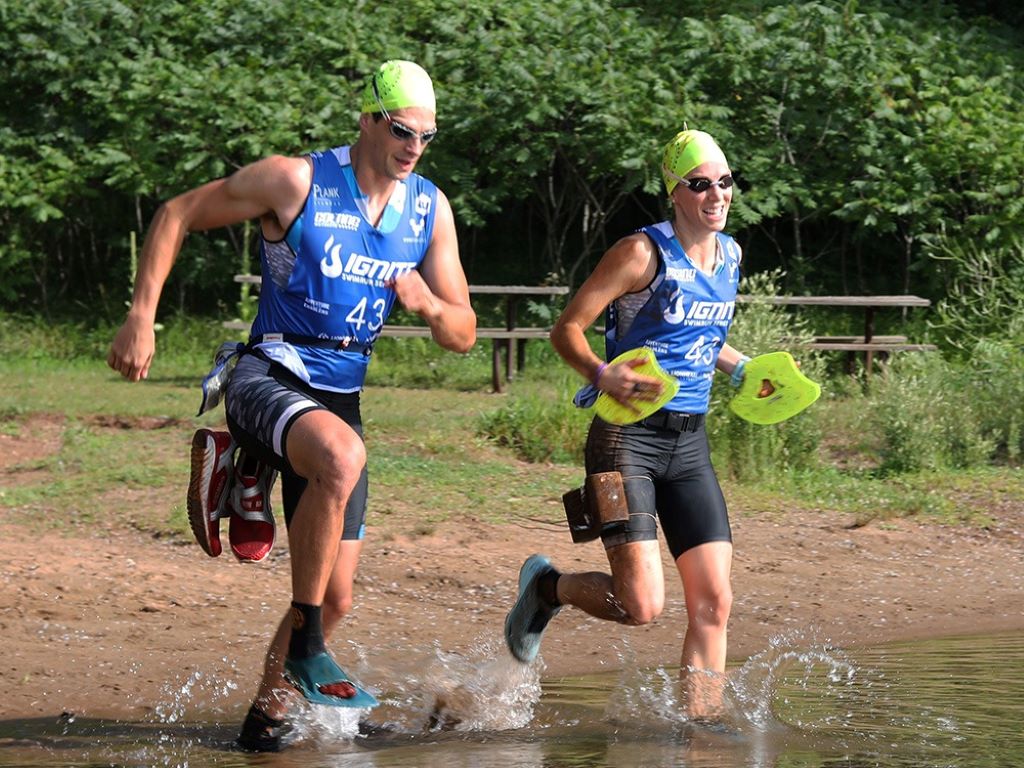
A swimrun-specific wetsuit is non-negotiable. Unlike triathlon wetsuits, swimrun suits are designed for flexibility in the shoulders and durability for running. Look for:
- Flexible neoprene in the shoulders for unrestricted swimming.
- Reinforced legs and seat to withstand abrasion from running.
- Front zipper for easy ventilation during runs.
Popular brands like Orca, Zone3, and Head offer swimrun-specific models. Avoid triathlon wetsuits—they’re not built for the rigors of running.
Footwear: From Water to Trail
Swimrun shoes must drain water quickly, provide traction on trails, and protect your feet. Opt for:
- Minimalist trail shoes with drainage holes and grippy soles.
- Neoprene socks to keep feet warm in cold water and reduce blisters.
Brands like Vivobarefoot, Inov-8, and Salomon make shoes popular among swimrun athletes. Test your footwear in both water and on trails before race day.
Mandatory Gear: Safety First
Most races require:
- A whistle for emergencies.
- A compass or GPS watch for navigation.
- A small first-aid kit.
- A tow float for visibility in the water.
Check the race rules for specific requirements. Packing light is key, but never sacrifice safety for speed.
Optional but Helpful Extras
- Pull buoy: Provides extra buoyancy during swims, saving leg energy for runs.
- Hand paddles: Improve swim power and technique.
- Nutrition belt: Carry gels or bars for easy access during the race.
Nutrition and Hydration: Fueling for the Long Haul
The Importance of Race Nutrition
Swimrun races can last anywhere from 1 to 10+ hours. Proper fueling is critical to avoid bonking or dehydration. Aim for:
- 30-60 grams of carbohydrates per hour from gels, bars, or sports drinks.
- Electrolytes to replace sodium lost through sweat.
- Easily digestible foods like bananas, energy chews, or sandwiches.
Hydration Strategies
Dehydration can derail your race. Plan to drink 500ml of water per hour, adjusting for heat and humidity. Use a hydration vest or carry a soft flask for easy access. Practice drinking while running and swimming during training.
Pre-Race and Post-Race Nutrition
- 2-3 hours before: Eat a balanced meal with carbs, protein, and healthy fats (e.g., oatmeal with nuts and fruit).
- 30 minutes before: Top up with a gel or banana for quick energy.
- Post-race: Replenish with a mix of carbs and protein (e.g., a recovery shake or chicken and rice).
Race Day Strategies: Execute Your Plan Like a Pro
Start Conservatively
Many first-timers burn out by going too hard early. Pace yourself, especially in the first swim and run segments. Save energy for the later stages, where fatigue sets in.
Navigate Smartly
Swimrun courses often lack clear markers. Study the race map beforehand and use landmarks to stay on course. A GPS watch can be a lifesaver, but don’t rely solely on technology—batteries die, and signals drop.
Work with Your Teammate
Communication is key. Agree on a pacing strategy, nutrition plan, and emergency signals before the race. Stick together, especially in open water, where currents or waves can separate you.
Manage Transitions Efficiently
Since there are no formal transitions, practice switching from swim to run quickly. Remove goggles, adjust your cap, and start running without hesitation. Every second counts in swimrun.
Stay Mentally Tough
Swimrun is as much a mental challenge as a physical one. Expect discomfort, and embrace it. Break the race into smaller segments, focusing on one swim or run at a time. Positive self-talk can keep you moving when your body wants to quit.
Professional Tips to Elevate Your Performance
Train in Race Conditions
Simulate race day as closely as possible. Swim in cold water, run on technical trails, and practice with your full gear. The more you replicate race conditions, the fewer surprises you’ll face.
Focus on Weaknesses
If swimming is your weak link, spend extra time in the water. Struggle with trail running? Hit the hills. Addressing weaknesses early will pay off on race day.
Build Endurance Gradually
Avoid jumping into long distances too soon. Increase your training volume by no more than 10% per week to prevent injury and burnout.
Practice Teamwork
If racing with a partner, train together. Learn each other’s strengths and weaknesses, and develop a rhythm for swimming and running as a unit.
Visualize Success
Mental preparation is crucial. Spend time visualizing yourself completing each segment of the race. Imagine the feeling of crossing the finish line—this mental rehearsal builds confidence and reduces anxiety.
Reviews: Real Athletes Share Their Swimrun Journeys
“From Couch to Swimrun in 6 Months”
Mark, a 35-year-old office worker, had never run more than 5km before signing up for a swimrun. “I followed a structured plan, focusing on consistency over intensity,” he says. “My first race was brutal, but crossing the finish line with my teammate was the most rewarding experience of my life.”
“A Bond Like No Other”
Sarah and Lisa, sisters and first-time swimrunners, trained together for their debut race. “We argued, laughed, and pushed each other to the limit,” Lisa recalls. “By the end, we weren’t just sisters—we were a team. Swimrun brought us closer than ever.”
Related Topics:
FAQs About Preparing for Your First Swimrun Competition
1. Do I need to be an expert swimmer or runner to compete?
No! Swimrun welcomes athletes of all levels. Start with a shorter race (5-10 km) and build from there. The key is consistent swimrun competition training and a willingness to push your limits.
2. Can I compete solo, or do I need a teammate?
Most swimrun races require teams of two for safety reasons. However, some events offer solo divisions. Check the race rules before signing up.
3. How do I find a swimrun partner?
Join local swimrun clubs, Facebook groups, or forums to connect with potential teammates. Many races also have partner-matching services.
4. What’s the best way to train if I don’t have access to open water?
Use a pool for swim training and incorporate trail running for the run segments. Simulate open-water conditions by swimming in a lake or river whenever possible.
5. How do I prevent chafing during the race?
Apply anti-chafing balm (like Body Glide) to high-friction areas, such as your neck, armpits, and thighs. Wear a well-fitted wetsuit and test your gear during training to identify potential hot spots.
6. What should I eat during the race?
Stick to familiar, easily digestible foods. Energy gels, bananas, and sports drinks work well for most athletes. Avoid trying new foods on race day.
7. How do I recover after a swimrun race?
Focus on hydration, nutrition, and rest. Consume a mix of carbs and protein within 30 minutes of finishing. Gentle stretching or a light walk can help reduce muscle soreness.
Conclusion: Your Swimrun Adventure Starts Now
Preparing for your first swimrun competition is a journey of discovery, challenge, and camaraderie. It’s about pushing your limits, embracing the unknown, and forging bonds that last a lifetime. With the right swimrun competition training, gear, and mindset, you’ll not only cross the finish line but also unlock a new level of endurance and adventure.
The water is calling, the trails are waiting, and your swimrun story is ready to begin. Lace up your shoes, grab your wetsuit, and dive into the ultimate endurance experience. The only question left is: Are you ready to take the plunge?
Sign up for a race, find a teammate, and start training today. Your swimrun adventure starts now!