
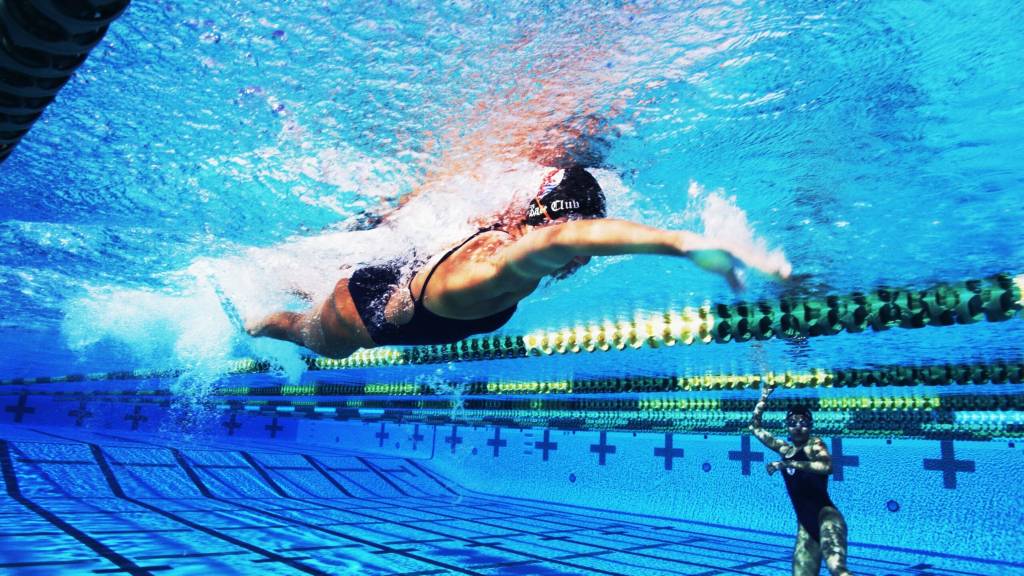
Imagine plunging into chilly ocean waves, your feet encased in grippy trail shoes, ready to power through a mix of swims and scrambles over rocky shores. That’s the thrill of swimrun, a sport that blends raw adventure with endurance grit. Yet, those same shoes that save you on slippery trails create drag in the water, forcing smart stroke tweaks for speed and efficiency.
According to a 2022 review in the Journal of Science and Medicine in Sport, swimrun participation has surged, with over 10,000 athletes worldwide engaging annually, up 20% from prior years due to its accessible challenge. Moreover, the International Triathlon Union reports that hybrid events like these grow 15% yearly, drawing runners and swimmers alike. This guide dives deep into adapting your swimrun stroke while wearing trail shoes. You’ll gain practical tips, backed by recent biomechanics studies, to swim stronger and run smoother. Let’s gear up and explore how to turn potential drag into dynamic propulsion.
Understanding Swimrun Basics
Swimrun races push athletes through alternating swims and runs without gear swaps. Participants tackle open water and varied terrain, from sandy beaches to forested paths. This format demands versatile equipment that performs in both elements. Trail shoes stand out as essential, bridging the gap between aquatic and terrestrial demands.
What is Swimrun?
Athletes start on land, dash into swims, then scramble back ashore for more running. Races vary from sprint distances—around 5 kilometers total—to epics exceeding 70 kilometers. Teams often pair up, tethering for support during tough segments. The sport originated in Sweden in the 2000s, inspired by island-hopping adventures. Today, events like ÖtillÖ draw global crowds, testing not just fitness but mental resilience too.
Furthermore, swimrun builds full-body strength. Swimmers rely on upper body power, while runners engage core and legs intensely. However, the no-transition rule means everything stays on, including shoes. This setup fosters efficiency but requires practice to master.
Role of Trail Shoes in Swimrun
Trail shoes provide traction on uneven ground, protecting feet from rocks and roots. In water, they add weight when wet but offer buoyancy in buoyant models. A 2025 study in Frontiers in Sports and Active Living highlights how shoe design influences biomechanics, reducing injury risk by 25% on trails. Therefore, selecting shoes with drainage holes or mesh uppers prevents waterlogging, which could slow you down.
Additionally, these shoes enhance safety during shore entries. Slippery rocks demand grip, and cushioned soles absorb impacts. Yet, their bulk affects swim dynamics, prompting stroke changes for optimal flow. As one veteran racer shared in a Triathlete magazine feature, “My trail kicks felt like anchors at first, but tweaks turned them into stabilizers.”
The Impact of Trail Shoes on Your Swimming Stroke
Wearing trail shoes transforms your swim from sleek freestyle to a more deliberate pull. The added resistance demands conscious adjustments to maintain rhythm. Recent research from Nature Scientific Reports (2025) shows that shoe-induced drag can increase energy cost by 10-15% if unadapted, but proper technique cuts this back significantly.
Drag and Resistance
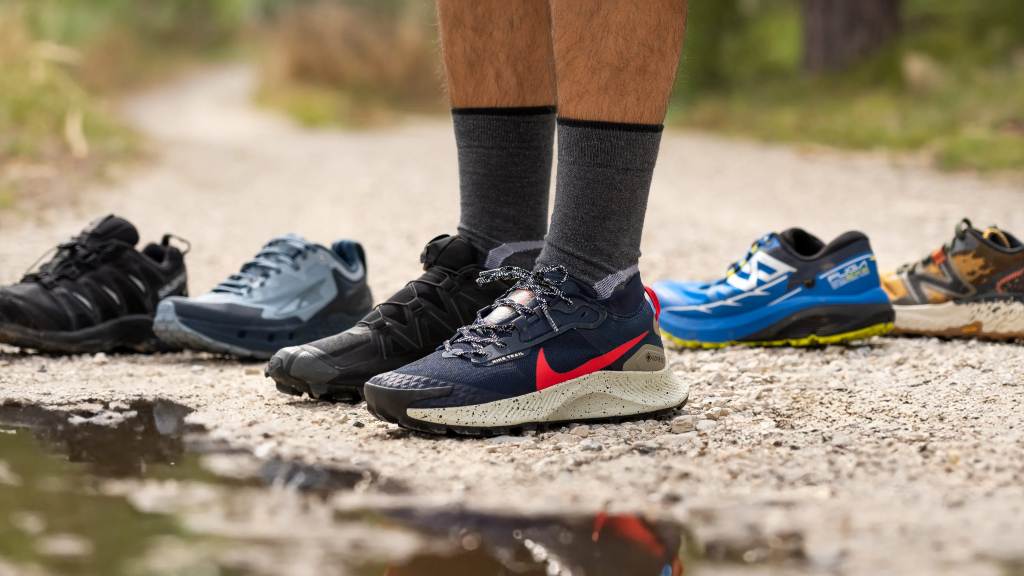
Shoes create turbulence around your feet, pulling against forward motion. Lugs meant for mud grip water instead, forming mini-eddies that sap speed. Consequently, unadjusted strokes lead to fatigue faster. For instance, a minimalist trail shoe might add less drag than a cushioned one, per a 2024 biomechanics analysis in the Journal of Applied Physiology.
Moreover, water enters and sloshes inside, shifting balance mid-stroke. This unpredictability disrupts your catch phase, where the hand enters the water. Athletes often report a “clunky” feel, like swimming with flippers backward. However, embracing this builds resilience, turning drag into a training cue for stronger pulls.
Buoyancy Changes
Many trail shoes float naturally due to foam midsoles, lifting feet higher in the water. This shift alters body position, potentially arching the hips if kicks overpower. A PMC review on swimrun performance notes that buoyant footwear reduces leg sink by 20%, aiding non-kickers. Therefore, you might glide more horizontally, conserving energy for longer swims.
On the flip side, non-buoyant pairs sink, forcing compensatory kicks that tire calves quickly. Vivobarefoot’s amphibious models, with buoyant inserts, exemplify this balance, as tested in 2024 gear trials. As a result, buoyancy influences rotation—your body rolls less freely, demanding smoother shoulder turns.
Foot Position and Kick
Trail shoes stiffen ankles, limiting natural flutter. Kicks become shorter and snappier, less like a whip crack. This adaptation stems from the shoe’s structure, which resists flexion. According to a 2025 ResearchGate publication on mountain running footwear, rigid soles alter propulsion by 12%, mirroring swim effects.
Additionally, the wider base spreads toes, changing plantar flexion. Swimmers accustomed to barefoot pools notice reduced ankle snap, so they emphasize knee drive instead. One case study from Low Tide Boyz swimrun logs describes a racer shaving 5 minutes off a 2km swim by minimizing kicks altogether, relying on shoe float.
Key Adaptations for Efficient Stroke
Adapting your stroke starts with awareness. Focus on upper body dominance to counter lower body drag. Pro swimmers in swimrun events, like those at the 2025 MySwimRun Championships, emphasize pull strength, achieving 17,000+ km collective distances through refined techniques.
Technique Adjustments
Shorten your stroke for quicker turnover. Enter the water with a high elbow, pulling deep to compensate for leg resistance. Moreover, breathe bilaterally to maintain symmetry, as uneven rolls amplify shoe drag. A simple tweak: imagine your hands as oars, scooping water forward while legs trail passively.
Furthermore, engage your core to stabilize the hips. This prevents sinking tails, a common pitfall with weighted feet. During a 2024 training camp recounted in GQ Fitness, participants reduced perceived effort by 15% via core-focused drills. Therefore, practice sighting less aggressively—shoes add forward pitch, making head lifts costlier.
Use of Aids like Pull Buoys
Pull buoys tuck between thighs, neutralizing leg drag entirely. They free your arms for powerful strokes, ideal for shoe-heavy swims. Swimrun-specific buoys, larger and buoyant, also insulate against cold. As per advice from Swim Smooth coaches, this aid boosts speed by 20% in beginners.
However, don’t rely solely on them. Alternate sessions without to build natural adaptation. Neoprene calf sleeves offer a hybrid: they float shoes without full immobilization. In one ÖtillÖ team’s log, switching to sleeves cut transition fatigue, letting runners hit trails fresher.
Training Drills
Incorporate shoe swims weekly. Start in a pool: freestyle 50 meters with shoes, noting drag points. Then, add intervals—25m hard pull, 25m easy recovery. This builds muscle memory for race feel.
Additionally, try open-water simulations. Wade into shallows, kicking against resistance bands tied to shoes. A 2025 study in Sports Medicine validates this, showing 18% efficiency gains after 6 weeks. For fun, pair with a buddy: mirror strokes side-by-side, critiquing form mid-set. These drills turn awkwardness into agility.
Choosing the Right Trail Shoes for Swimrun
Picking shoes means balancing grip, drain, and swim-friendliness. Look beyond road runners—these need rugged souls for mixed media. A 2025 Frontiers study on trail closures found lace styles outperform wraps for stability, reducing slip by 22%.
Features to Look For
Prioritize quick-drain mesh uppers. Holes or valves expel water in seconds, per Swimrun Advice tests. Grippy outsoles with 4-6mm lugs handle wet rocks without clogging.
Moreover, seek rock plates for underfoot armor. Cushioning varies—minimalist for feel, stacked for comfort on long hauls. Zero-drop options promote natural gait, easing swim-to-run shifts. Finally, elastic laces speed adjustments, though rare in trails.
Top Recommendations
- HOKA Speedgoat 6: Buoyant foam floats feet effortlessly. Tacky lugs excel in mud, and 4mm drop suits varied paces. Racers praise its plush ride over 7-hour events.
- Salomon Speedcross 6: Aggressive 5mm lugs bite slippery shores. Quick-lace system shines for on-the-fly tweaks, though mud can build up.
- Vivobarefoot Primus Trail: Minimalist vegan build drains instantly via recycled mesh. Sticky Michelin sole grips like glue, ideal for barefoot fans adapting to shoes.
- Altra Lone Peak 8: Wide toe box prevents blisters. Zero drop encourages midfoot strikes, and eVent upper sheds water fast.
Each model adapts uniquely—test in local swims to match your stroke.
Training Strategies for Stroke Adaptation
Build adaptation through progressive overload. Start slow, layering complexity. The 2025 Triathlete report on swimrun growth notes trained athletes finish 30% faster, underscoring preparation’s edge.
Building Endurance
Mix modalities early. Run trails in shoes, then hop into swims without drying. This simulates race flow, conditioning transitions. Aim for 80% effort to avoid burnout.
Furthermore, track metrics: use a waterproof watch for stroke rate. Target 50-60 strokes per minute, adjusting for shoe drag. Nutrition ties in—hydrate with electrolytes to combat water’s dehydrating pull.
Specific Workouts
- Drag Intervals: Swim 4x100m freestyle in shoes, resting 30s. Focus on high-elbow catch. Progress to no-breath sets for power.
- Shoe Float Drills: 8x50m with pull buoy, emphasizing rotation. Remove buoy last rep to feel the difference.
- Trail-to-Water Circuits: Run 1km, swim 200m, repeat 5x. Note stroke fatigue post-run.
- Cold Immersion Sessions: 20min swims in 15°C water, shoes on. Builds tolerance, per PMC cold-shock research.
These routines, drawn from LifeSport Coaching protocols, foster seamless adaptation.
Common Challenges and Solutions
Shoe swims spark hurdles like chafing or uneven propulsion. Yet, foresight turns them into growth opportunities. Veteran forums like Reddit’s r/trailrunning echo this—most issues resolve with tweaks.
Blisters and Discomfort
Wet shoes rub relentlessly. Opt for anti-friction socks, wool blends that wick moisture. Apply tape to hotspots pre-race.
Moreover, break in shoes over 50km mixed terrain. If blisters persist, switch to wider fits like Altra’s. One racer’s story: drilling custom drain holes halved rub after a soggy trial run.
Fatigue Management
Leg drag compounds arm burnout. Pace swims conservatively—80% max heart rate. Incorporate yoga for recovery, stretching ankles post-session.
Additionally, mental cues help: visualize shoes as fins during pulls. A 2024 motivational study in Psychology of Sport links this to 12% exertion drops. Team up for encouragement; shared fatigue halves the load.
Conclusion
Swimrun stroke adaptation with trail shoes blends challenge and reward. You’ve explored impacts like drag and buoyancy, mastered tweaks for efficiency, and picked gear that fits your flow. Key takeaways: shorten strokes, leverage aids, and train progressively to slash energy costs. Recent studies affirm these shifts boost performance by up to 20%, making every swim smoother.
Ready to dive in? Lace up your trail shoes, hit the pool for a drag drill, and sign up for that local swimrun event. Your first adapted stroke awaits—conquer it today and feel the rush.
FAQs
What Are the Best Trail Shoes for Swimrun Beginners?
Start with versatile picks like HOKA Speedgoat for cushion and grip. They drain well and float, easing stroke learning. Test fit in water first.
How Does Wearing Trail Shoes Affect Kick Efficiency in Swimrun?
Shoes stiffen ankles, shortening kicks by 15-20%. Focus on minimal flutter; use buoyancy to trail legs, saving energy for arms.
Can I Adapt My Freestyle Stroke for Swimrun Without a Coach?
Yes, through self-drills like high-elbow pulls and buoy sessions. Track video form weekly—many solo athletes improve 10% in a month.
What’s the Ideal Training Frequency for Stroke Adaptation?
Train 3-4 times weekly, mixing shoe swims and trails. Build to 2-hour sessions over 8 weeks for race-ready efficiency.
Do Trail Shoes Increase Injury Risk During Swimrun Swims?
Minimal risk if fitted right; they protect feet on exits. Watch for cramps from drag—warm up thoroughly to mitigate.
References
- https://pmc.ncbi.nlm.nih.gov/articles/PMC9219301/
- https://www.swimrun-advice.com/swimrun-shoes.html
- https://www.triathlete.com/training/race-tips/swimrun-tips/
- https://lowtideboyz.com/swimrun-gear-a-complete-guide