
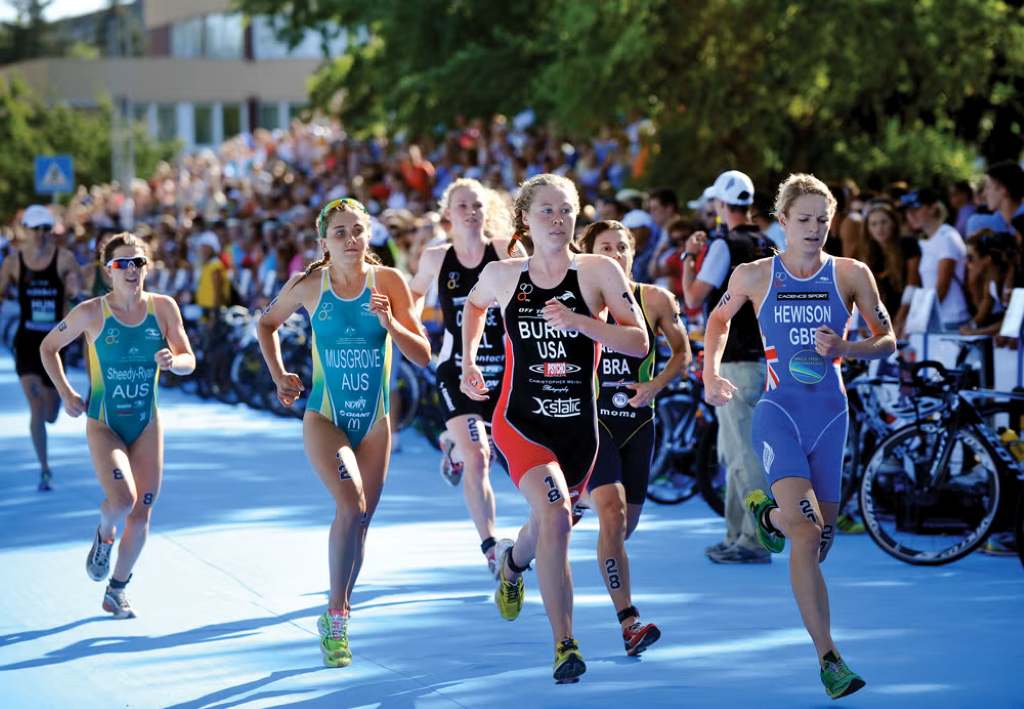
Picture yourself at the starting line of a swimrun event. Waves crash nearby while runners gear up for the challenge ahead. Your heart races with excitement. A solid pre-race warm up routine sets you apart from the pack. It prepares your body for the unique demands of swimrun, where you alternate between swimming in open water and running on rugged terrain. This routine boosts performance and cuts injury risks.
Swimrun combines endurance swimming with trail running, often without transitions. Athletes tackle multiple segments in wetsuits and shoes. Proper preparation matters greatly. According to a 2021 study from the National Institutes of Health, effective warm-ups improve sprint swimming performance in half of reviewed cases. Additionally, research in the Journal of Science and Medicine in Sport shows that warming up reduces sports injuries by up to 50% in endurance activities. These facts highlight why you need a tailored approach. Now, let’s explore how to build one that works for you.
Understanding Swimrun and Why Warm-Up Matters
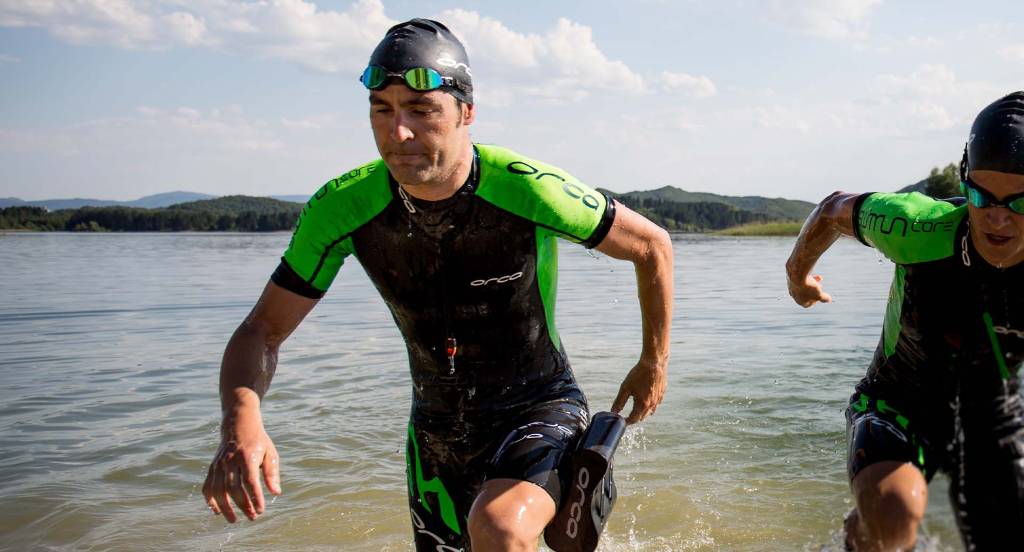
Swimrun tests your limits like few other sports. You swim in lakes or seas, then run across islands or shores. Events vary from short sprints to ultra distances. Participants carry minimal gear, staying in wetsuits throughout. This format demands versatility from your muscles and joints.
However, jumping in cold without preparation invites trouble. Your body needs time to adapt. Warm-ups elevate core temperature gradually. They enhance blood flow to working muscles. As a result, you move more efficiently from the start.
Moreover, swimrun’s repetitive switches stress shoulders, hips, and knees. A good routine activates these areas early. It prevents strains during transitions. For instance, many athletes report better rhythm after warming up properly. So, embrace this step as your secret weapon.
Benefits of a Proper Pre-Race Warm-Up
Warm-ups deliver multiple advantages for swimrun athletes. First, they increase muscle temperature. This change improves elasticity and reduces tear risks. Consequently, you perform better in both swim and run phases.
Second, they enhance cardiovascular readiness. Your heart rate rises steadily. Blood circulates oxygen more effectively. Therefore, you avoid early fatigue when the gun goes off.
Additionally, mental benefits shine through. A routine builds focus and confidence. You visualize success while moving. Research from a 2023 PMC article supports this. It states warm-ups stimulate the neuromuscular system, preparing athletes for demands ahead.
Furthermore, injury prevention stands out. Studies show warm-ups cut risks significantly. For example, a 2006 randomized trial found them effective in reducing injuries across sports. In swimrun, where terrain varies, this protection proves invaluable.
Finally, performance gains appear evident. Swimmers in one study shaved seconds off sprints after proper preparation. Runners felt looser on trails. Overall, these perks make warm-ups essential for your race day.
Key Components of a Swimrun Warm-Up Routine
Every effective routine includes core elements. Start with general activation. Then, move to sport-specific drills. Balance swim and run focus. Adjust based on time available.
Importantly, incorporate dynamic movements. Avoid static stretches pre-race. They can decrease power output. Instead, choose actions that mimic race efforts.
Moreover, consider your environment. Open water might limit swimming warm-ups. Dryland options fill that gap. Let’s break down these parts further.
Dynamic Stretching for Mobility
Dynamic stretches prime your joints for action. Swing arms in circles to loosen shoulders. This motion prepares you for swimming strokes. Keep circles wide but controlled.
Next, add leg swings. Stand on one foot and swing the other forward and back. Switch sides after 10 reps. These build hip flexibility crucial for running segments.
Additionally, include torso twists. Hold arms out and rotate gently. This engages your core, vital for stability in water and on land.
Furthermore, perform ankle rolls. Circle feet while standing. It prevents cramps during runs. Do 10 per direction on each foot.
As you progress, combine movements. For example, march in place with high knees. This warms multiple areas at once. Always breathe deeply to oxygenate muscles.
Muscle Activation Exercises
Activation targets key groups. Begin with glute bridges. Lie on your back, lift hips, and squeeze glutes. Hold for three seconds, repeat 10 times. Strong glutes power your runs.
Then, try shoulder activations. Use resistance bands if available. Pull bands apart at chest level. This strengthens rotator cuffs for swimming.
Moreover, add plank variations. Hold a forearm plank for 20 seconds. Alternate with side planks. Core strength supports efficient transitions.
Additionally, incorporate squats. Stand with feet shoulder-width, lower as if sitting back. Rise explosively. Do 15 reps to fire up quads and hamstrings.
Finally, end with jumping jacks. Perform 20 to elevate heart rate. These full-body moves tie everything together seamlessly.
Swim-Specific Warm-Up Drills
Swim warm-ups focus on technique and feel. If water access allows, start easy. Swim 200 meters at a relaxed pace. Focus on smooth strokes.
Next, build intensity. Add 4×50 meters with 10 seconds rest. Alternate easy and moderate efforts. This simulates race starts.
Furthermore, practice sighting. Lift your head every few strokes. It prepares for navigation in open water.
If no water nearby, mimic on land. Use swim cords for resistance. Pull through stroke motions for 5 minutes. This activates swim muscles effectively.
Additionally, include sculling drills. In water, move hands in figure-eights. On land, simulate with arms extended. Both enhance water catch.
As you finish, cool slightly but stay warm. Towel off quickly before running drills.
Run-Specific Warm-Up Activities
Running prep builds leg resilience. Begin with a light jog. Cover 400 meters at easy pace. This circulates blood without tiring you.
Then, add strides. Run 4×50 meters building speed. Walk back recoveries. Strides improve turnover for trails.
Moreover, include hill simulations. If flat, use high knees in place. Do 30 seconds bursts. This strengthens for uneven terrain.
Additionally, focus on footwork. Perform quick feet drills. Run in place rapidly for 20 seconds. It boosts agility for rocky paths.
Finally, end with dynamic lunges. Step forward, lower, and push back. Alternate legs for 10 reps. Lunges enhance stride length and power.
Building Your Personalized Pre-Race Warm-Up Routine
Craft a routine that fits your needs. Consider race length and conditions. Shorter events need quicker warm-ups. Longer ones allow more time.
First, assess your fitness level. Beginners start simple. Experienced athletes add complexity.
Moreover, time it right. Aim for 20-45 minutes pre-start. Finish 10 minutes before to recover.
Additionally, factor in weather. Cold days require longer activation. Warm conditions might shorten it.
Now, let’s outline a sample. Adapt as needed for your event.
Step-by-Step Sample Routine
- Start with 5 minutes of light jogging or marching. Get blood flowing gently.
- Follow with dynamic stretches: arm circles, leg swings, torso twists for 5 minutes.
- Move to activation: glute bridges, shoulder pulls, planks for 5-7 minutes.
- If possible, swim 400-600 meters with builds. Otherwise, use dryland swim simulations.
- Transition to run drills: strides, high knees, lunges for 5-10 minutes.
- End with 2-3 minutes of mental visualization. Picture smooth segments.
This sequence takes about 30 minutes. It covers all bases effectively.
Variations for Different Race Formats
Short swimruns emphasize quick starts. Focus more on intensity bursts.
For ultra events, prioritize endurance warm-ups. Extend easy portions.
In team races, coordinate with partners. Share drills for motivation.
Cold water races need extra focus on core warmth. Add jumping exercises.
Hot conditions call for hydration during warm-up. Sip water throughout.
Always listen to your body. Adjust if something feels off.
Common Mistakes in Pre-Race Warm-Ups and How to Avoid Them
Many athletes skip warm-ups entirely. They dive in cold. This leads to poor starts and injuries. Instead, commit to at least 15 minutes.
Others overdo it. They exhaust themselves before racing. Keep efforts moderate. Save energy for the event.
Additionally, some ignore specificity. They warm only one discipline. Balance swim and run elements always.
Furthermore, static stretching pre-race harms performance. Studies show it reduces power. Stick to dynamic moves.
Neglecting mental prep misses opportunities. Include breathing or visualization. It calms nerves effectively.
Finally, forgetting recovery time hurts. End warm-up 10-15 minutes before start. Use this for final checks.
Avoid these pitfalls. Your routine will shine.
Adapting Warm-Ups to Environmental Factors
Environment plays a big role. Open water varies from pools. Test currents if possible.
In crowded starts, warm nearby. Use space wisely.
For trail runs, simulate terrain. Find similar ground pre-race.
Cold weather demands layers. Remove them gradually.
Windy conditions affect swimming. Practice head-up strokes.
Rain makes trails slippery. Add balance drills.
Heat requires pacing. Avoid overheating early.
Always scout the venue. Plan accordingly.
Nutrition and Hydration Ties to Warm-Ups
Fuel supports your routine. Eat light carbs 1-2 hours before.
Sip water or electrolytes during activation.
Avoid heavy meals. They cause discomfort.
Post-warm-up, have a gel if needed.
Proper intake enhances warm-up effects.
Listen to hunger cues. Adjust as required.
Monitoring Progress and Adjusting Over Time
Track your warm-ups. Note how you feel post-race.
Journal times and sensations.
If performance dips, tweak elements.
Consult coaches for feedback.
Over seasons, refine based on experience.
Consistency breeds improvement.
Advanced Techniques for Experienced Athletes
Seasoned swimrunners add layers. Try plyometrics for power.
Incorporate bands for resistance.
Use foam rollers pre-warm-up.
Experiment with breathing exercises.
Monitor heart rate zones.
These elevate your prep.
Warm-Up Gear Essentials
Pack wisely. Bring wetsuit early.
Have running shoes ready.
Resistance bands aid activation.
Towel for drying.
Cap and goggles for swim.
Simple items make big differences.
Mental Preparation During Warm-Up
Mindset matters. Use time to focus.
Repeat positive affirmations.
Visualize segments succeeding.
Breathe deeply to relax.
This builds race-day confidence.
Stay present. Avoid distractions.
Conclusion
A strong pre-race warm up routine for swimrun transforms your experience. It boosts mobility, cuts injury risks, and sharpens focus. Key components include dynamic stretches, activations, and discipline-specific drills. Tailor yours to conditions and fitness.
Remember the benefits: better performance and safer racing. Implement the sample routine next time. Track results and adjust.
Ready to elevate your game? Build your warm-up today and conquer your next swimrun event.
FAQs
What is the ideal duration for a swimrun warm-up?
Aim for 20-45 minutes. Beginners start shorter. Experienced athletes extend for thorough prep. Finish 10 minutes before start to recover.
Can I do a warm-up without water access?
Yes, use dryland alternatives. Simulate swims with cords or arm drills. Focus on running activations. This still prepares effectively.
How does warm-up prevent injuries in swimrun?
It increases muscle temperature and flexibility. Blood flow improves. Joints lubricate better. Research shows up to 50% risk reduction.
Should I include static stretches in my routine?
No, avoid them pre-race. They reduce power. Use dynamic movements instead. Save static for post-race recovery.
What if the race starts early in the morning?
Adapt with lighter intensity. Eat a small breakfast. Hydrate well. Focus on gentle activation to wake your body.
References
- https://pmc.ncbi.nlm.nih.gov/articles/PMC10798919/
- https://www.trainingpeaks.com/coach-blog/why-effective-warm-ups-are-important-before-training-and-racing/
- https://journals.humankinetics.com/doi/10.1123/ijspp.2024-0181
- https://pmc.ncbi.nlm.nih.gov/articles/PMC8544352/