
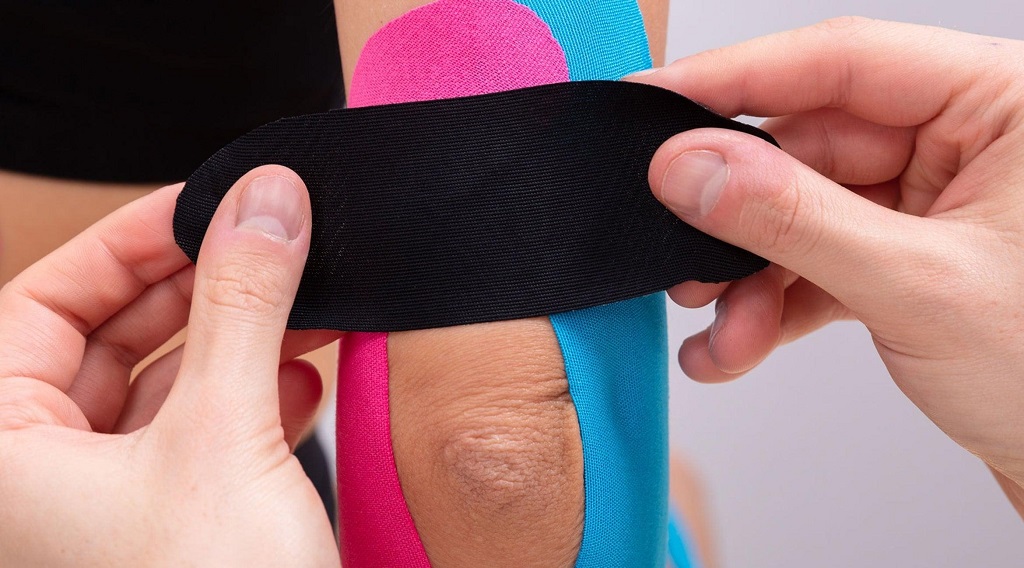
Tennis elbow can be a real pain — literally. Whether you’re a weekend warrior, a daily gym-goer, or someone who spends hours typing at a desk, the repetitive strain on your forearm muscles can lead to that frustrating ache on the outside of your elbow. The good news? Kinesiology tape is a simple, affordable, and effective way to support healing and reduce pain — without stopping the activities you love.
In this guide, we’ll break down everything you need to know about how to kinesiology tape tennis elbow — from understanding the condition to a step-by-step taping tutorial, plus expert tips and common mistakes to avoid.
What Is Tennis Elbow?
Tennis elbow, or lateral epicondylitis, is a condition caused by repetitive use of the forearm muscles and tendons, which leads to tiny tears and inflammation near the elbow joint. Despite the name, you don’t need to play tennis to get it — activities like typing, lifting, painting, gardening, or even using a screwdriver can cause it too.
Common symptoms include:
- Pain or burning sensation on the outside of the elbow
- Weak grip strength
- Discomfort when lifting, gripping, or twisting
- Stiffness or tenderness around the elbow joint
If you’re experiencing any of these, kinesiology taping can help reduce stress on the injured tissues and promote faster healing — but if the pain is severe or persistent, consult a medical professional first.
How Kinesiology Tape Helps
Kinesiology tape is a stretchy, skin-like adhesive tape designed to support muscles and joints without restricting movement. Here’s how it can help if you have tennis elbow:
- Reduces pain: By lifting the skin slightly, kinesiology tape reduces pressure on pain receptors.
- Improves circulation: The gentle lift also enhances blood flow and lymphatic drainage, helping reduce inflammation.
- Supports healing: The tape helps align and stabilize the muscles and tendons, allowing them to heal more effectively.
- Enhances proprioception: It increases body awareness, helping you move better and avoid further injury.
Many athletes, physical therapists, and trainers swear by kinesiology tape as part of a comprehensive recovery plan.
Before You Tape: What You Need
Before applying kinesiology tape, make sure you have everything ready:
- A roll of quality kinesiology tape
- Scissors (to cut the tape to size)
- Clean, dry skin (shave the area if necessary for better adhesion)
Pro tip: Always do a small patch test on your skin first to check for any allergic reactions.
Step-by-Step: How to Apply Kinesiology Tape for Tennis Elbow
Ready to tape? Follow these simple steps for best results:
1. Position Your Arm
Sit or stand comfortably with your elbow slightly bent and your palm facing down. Relax your forearm muscles — tension can affect how well the tape works.
2. Apply the Anchor Strip
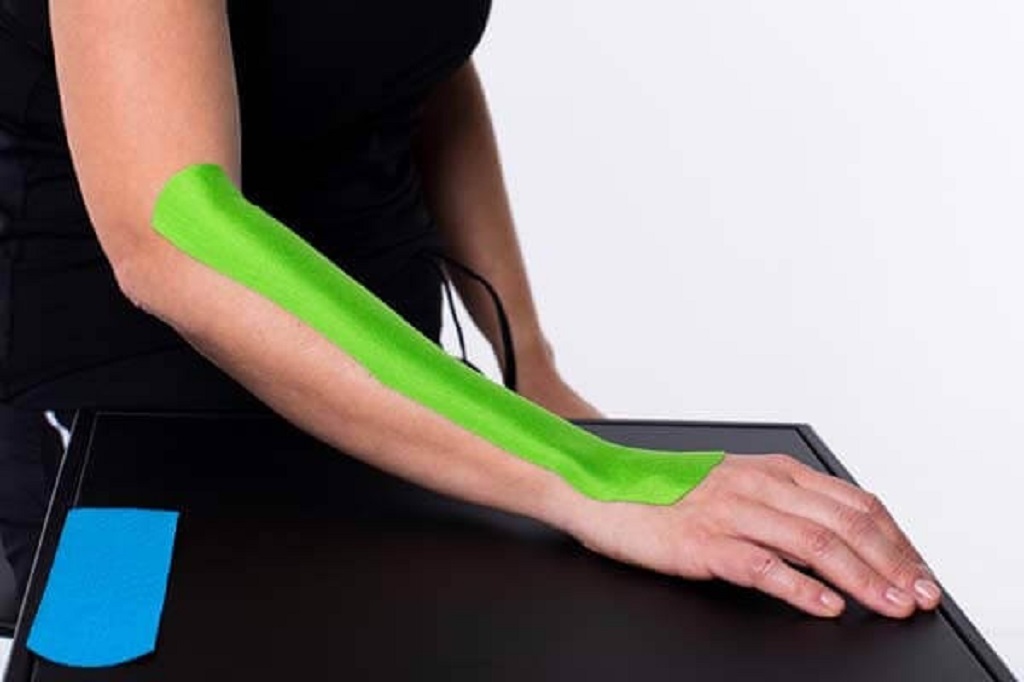
Cut a piece of tape about 10–12 inches long. Anchor the first end just below the painful area (on the forearm, near the wrist) with no stretch. Then, apply the tape upward along the outer side of your forearm toward the elbow with about 20–30% stretch.
3. Optional: Add a Support Strip
For extra stability, cut a second strip and apply it horizontally across the elbow, perpendicular to the first strip. This cross-support method can provide additional relief during intense activities.
4. Smooth and Activate
Once the tape is in place, gently rub it to activate the adhesive. It should feel snug but not tight — if you notice pinching, excessive pulling, or skin irritation, remove and reapply with less stretch.
Aftercare Tips
Here are some tips to make your taping last longer and work better:
- Wear the tape for up to 3–5 days, even during showers (just pat dry).
- Avoid applying lotion or oils before taping — they reduce adhesion.
- If the tape starts peeling, trim the loose ends rather than pulling it off.
- When removing, peel gently in the direction of hair growth to avoid skin irritation.
Common Taping Mistakes to Avoid
Even small taping errors can reduce effectiveness. Here are the most common ones:
- Too much stretch: This can irritate the skin or cut off circulation.
- Poor skin prep: Dirt, oil, or sweat can make the tape peel off early.
- Incorrect placement: Applying the tape in the wrong direction won’t support the right muscles.
- Ignoring irritation: Always remove the tape if you notice redness, itching, or swelling.
When to See a Professional
Kinesiology taping is a great self-care tool, but it’s not a cure-all. Seek medical attention if:
- Your pain doesn’t improve after a few weeks of treatment.
- You experience numbness, tingling, or significant swelling.
- You have difficulty moving your elbow or gripping objects.
In these cases, a physical therapist or doctor can recommend additional treatments, such as targeted exercises, ergonomic adjustments, or medical interventions.
Additional Tips for Managing Tennis Elbow
Taping works best when combined with other recovery strategies. Try adding these to your routine:
- Rest: Give your elbow time to heal by taking breaks from repetitive activities.
- Ice therapy: Apply ice for 15–20 minutes a few times a day to reduce inflammation.
- Stretching and strengthening: Gentle forearm exercises can improve flexibility and prevent future injuries.
- Ergonomics: Adjust your workspace or sports technique to reduce strain on the elbow.
Prevention is always better than cure. Warming up before exercise, using proper form, and taking regular breaks can significantly reduce your risk of recurrence.
Conclusion
Kinesiology taping is a simple yet powerful way to support your elbow’s natural healing process. With the right technique, you can reduce pain, improve mobility, and get back to the activities you enjoy — all without invasive treatments or expensive equipment.
Remember: consistency is key. Combine taping with proper rest, stretching, and strength training for the best results. And if symptoms persist, don’t hesitate to consult a healthcare professional for a personalized plan.
Related Topic: Specific Stretches for Swimrun Shoulder Health
Popular FAQs About Kinesiology Taping for Tennis Elbow
1. Can I tape tennis elbow by myself?
Yes! Once you learn the proper technique, taping at home is quick and easy. If you’re unsure, ask a physical therapist to show you the first time.
2. How long should I leave the tape on?
Most kinesiology tapes are designed to stay on for 3–5 days. You can shower, work out, and go about daily life while wearing it.
3. Is kinesiology tape better than a brace?
They serve different purposes. Braces provide rigid support, while kinesiology tape allows movement and improves circulation. Many people use both, depending on the activity.
4. Can taping prevent tennis elbow from coming back?
It can help reduce your risk by supporting proper muscle function, but long-term prevention also requires strengthening and avoiding repetitive strain.
5. What if the tape irritates my skin?
Remove it immediately and wash the area with mild soap and water. Try a hypoallergenic tape or consult a healthcare professional before trying again.