
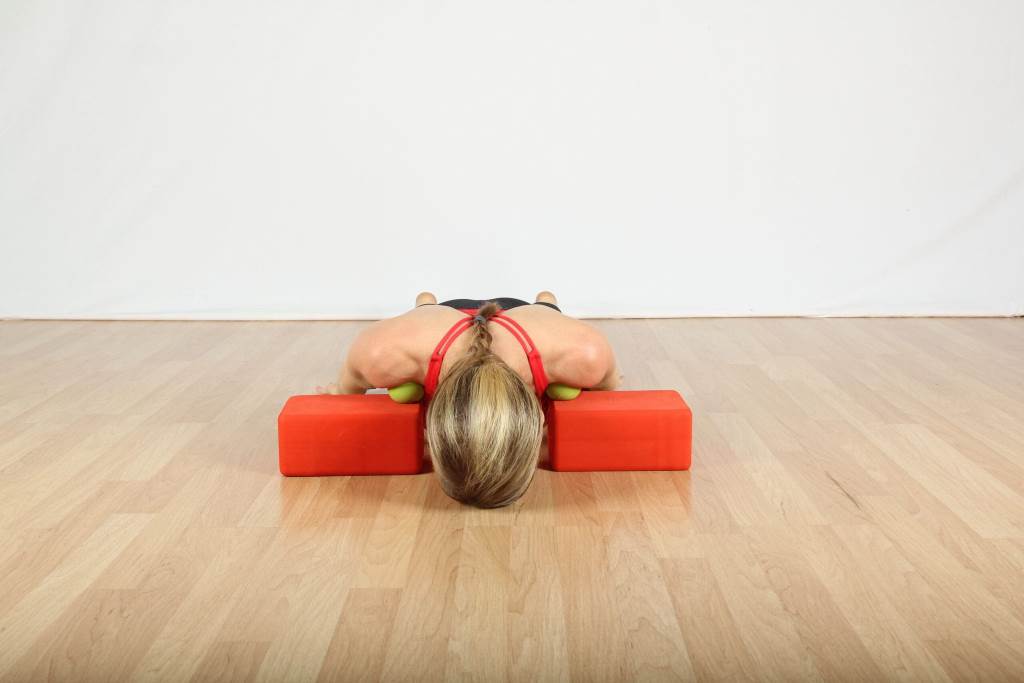
Swimrun challenges athletes with intense swimming and running cycles. These demand strong, stable shoulders. Shoulder injuries like swimmer’s shoulder or impingement syndrome often arise from repetitive overhead arm movements. Specific stretches for swimrun shoulder health can prevent these issues. They improve mobility, strengthen muscles, and reduce injury risks. This article explores targeted stretches, their benefits, and practical tips. It uses insights from physical therapy and dryland training. Expect a blend of science, practical steps, and a personal story to guide your shoulder care.
Why Shoulder Health Matters in Swimrun
Swimrun combines swimming and running without breaks. Shoulders endure stress from repetitive strokes like the freestyle pull. Overuse injuries, such as shoulder impingement or rotator cuff strain, are common. A 2019 study in Sports Medicine found 47% of swimmers report shoulder pain. Strong shoulder joints and scapular stabilizers are vital. Stretches enhance range of motion and shoulder stability. They also correct muscle imbalances. This reduces risks of tissue damage or stress fractures. Proper shoulder care boosts performance and ensures a pain-free life.
Athletes often neglect shoulder prehab exercises. This leads to chronic issues like shoulder instability. Stretching strengthens rotator cuff muscles and the posterior capsule. It also maintains the subacromial space. Consistent stretching supports long-term shoulder health. Swimrun athletes must prioritize this to avoid setbacks.
Key Muscles for Swimrun Shoulder Health
Shoulder health relies on several muscle groups. The rotator cuff muscles stabilize the shoulder girdle. Scapular stabilizers, like the shoulder blades, control movement. Pectoral muscles and biceps tendons also play roles. Muscle imbalances can cause impingement syndrome. Stretching these areas improves shoulder mobility and strength.
For example, the thoracic spine supports scapular movement. Tightness here limits shoulder function. Strengthening exercises, like those in a rehabilitation program, target these muscles. Dryland training, such as resistance band work, complements stretching. Understanding these muscles helps athletes choose effective stretches. This knowledge prevents musculoskeletal complaints and supports performance enhancement.
Top Stretches for Rotator Cuff Strength
Rotator cuff stretches are essential for swimrun athletes. These muscles stabilize the shoulder during swimming strokes. A simple stretch is the doorway stretch. Stand in a doorway. Place your arm at a 90-degree angle against the frame. Step forward gently. Hold for 20 seconds. Repeat three times per side. This improves shoulder mobility and reduces tension.
Another effective stretch is the cross-body shoulder stretch. Pull one arm across your chest. Use the opposite hand to press gently. Hold for 30 seconds. This targets the posterior shoulder capsule. It also prevents shoulder impingement. Perform these daily to maintain rotator cuff health. They are simple yet effective for long-term stability.
Resistance Band Exercises for Stability
Resistance bands are excellent for shoulder stability. They mimic swimming strokes in dryland training. Try the external band rotation. Anchor a band at waist height. Hold the band with one hand. Keep your elbow at your side. Rotate your arm outward. Do 10 reps per side. This strengthens rotator cuff muscles.
The seated band row is another great option. Sit with legs extended. Loop the band around your feet. Pull the band toward your waist. Focus on scapular movement. Perform 12 reps. These exercises build shoulder strength. They also prevent overuse injuries. Incorporate them into your shoulder program twice weekly.
Joint Mobilization for Flexibility
Joint mobilization enhances shoulder flexibility. It targets the shoulder girdle and subacromial space. Try the arm circle stretch. Stand tall. Extend one arm. Make small circles for 30 seconds. Reverse the direction. This improves range of motion. It also reduces shoulder pain risks.
Another option is the shoulder horizontal abduction stretch. Lie face down. Extend one arm out to the side. Gently lift it off the ground. Hold for 15 seconds. Repeat five times. These stretches support joint-friendly exercises. They are ideal for swimrun athletes seeking flexibility.
Core Strengthening for Shoulder Support
Core strengthening supports shoulder health. A strong core stabilizes the thoracic spine. This reduces stress on shoulder joints. The plank forearm exercise is effective. Hold a plank position on your forearms. Keep your body straight. Aim for 30 seconds. Do three sets. This builds core strength.
Another exercise is the plank hand step-up. Start in a plank position. Step one hand up to a push-up position. Return to the starting position. Alternate hands for 10 reps. These exercises enhance muscle control. They also improve cardiovascular health. A strong core prevents shoulder injuries during swimrun.
Personal Story: Overcoming Shoulder Pain
Five years ago, I faced shoulder pain during swimrun training. Repetitive overhead arm movements caused discomfort. I visited a physical therapist in Atlanta, GA. They recommended a rehabilitation program with stretches and resistance band work. I started with the doorway stretch and seated rows. Within weeks, my shoulder mobility improved. The pain faded. This experience taught me the value of consistent shoulder care. It inspired me to share these stretches with others.
Incorporating Dryland Training Strategies
Dryland training complements swimrun shoulder health. It includes mobility drills and strengthening exercises. For example, the “Ys, Ts, Ws” routine targets scapular stabilizers. Lie face down. Form each letter with your arms. Hold each for five seconds. Do 10 reps. This strengthens shoulder blades.
Another strategy is the shoulder rows band exercise. Use a resistance band with a cable attachment. Pull the band toward your chest. Focus on muscle engagement. Perform 15 reps. These drills enhance shoulder stability. They also prepare athletes for swimming strokes. Incorporate them three times weekly.
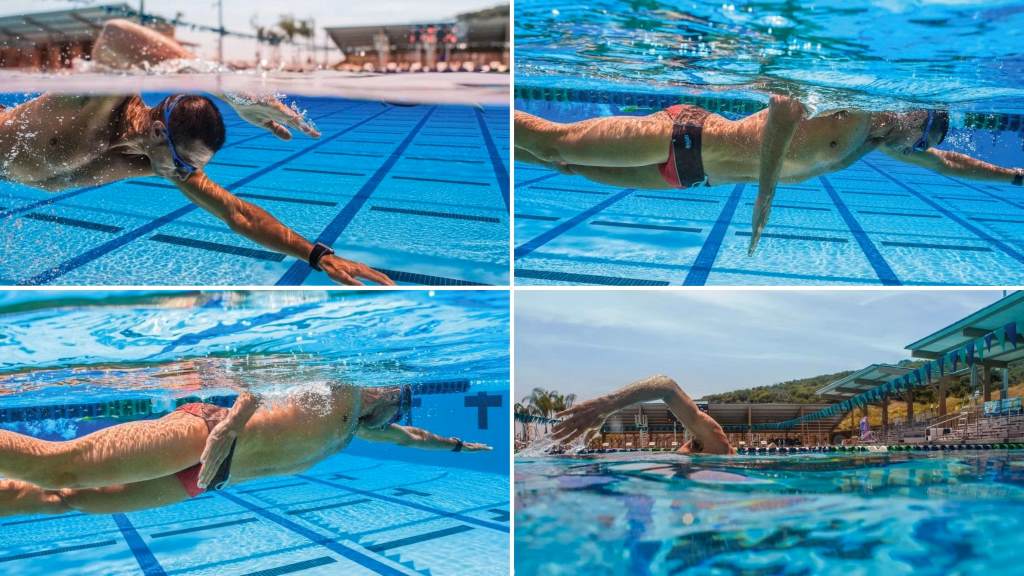
Preventing Shoulder Impingement Syndrome
Shoulder impingement syndrome is a common swimrun injury. It occurs when the subacromial space narrows. Stretches can prevent this. The chest press dumbbell stretch is effective. Lie on a bench. Hold a light dumbbell in each hand. Press upward slowly. Lower the weights. Do 12 reps. This strengthens pectoral muscles.
Another stretch is the internal rotation stretch. Use a resistance band. Anchor it at elbow height. Pull the band inward across your body. Hold for 20 seconds. Repeat three times. These stretches maintain joint space. They also reduce risks of impingement syndrome.
Building a Swimrun Shoulder Program
A swimrun shoulder program combines stretches and exercises. Start with mobility drills like arm circles. Follow with resistance band work, such as external band rotation. Include core exercises like plank forearms. Perform these three times weekly. Each session should last 20 minutes.
Track progress with a journal. Note improvements in shoulder mobility or pain reduction. Apps like MySwimPro can help. They offer training plans for swimrun athletes. A structured program prevents injuries. It also supports long-term shoulder health.
Role of Physical Therapy in Recovery
Physical therapy is crucial for shoulder recovery. It addresses musculoskeletal complaints. Therapists use manual therapy and joint mobilization. For example, BenchMark Physical Therapy offers tailored programs. They focus on rotator cuff strength and scapular movement.
Therapists may recommend chiropractic treatment for alignment. They also suggest dryland training strategies. Regular sessions prevent shoulder instability. They also support a pain-free life. Consult a physical therapist if pain persists beyond two weeks.
Technology and Tools for Shoulder Health
Technology aids shoulder health. The MySwimPro app provides training plans. It includes shoulder prehab exercises. Genie Health offers a physical therapy platform. It guides athletes through stretches and exercises. Tools like Crossover Symmetry bands are also effective. They target rotator cuff muscles.
YouTube channels, like those by Lori Hanson or Greg Woodard, offer tutorials. They demonstrate shoulder exercises. These resources make stretches accessible. They also enhance muscle mass and cardiovascular strength. Use them to complement your routine.
Nutrition and Recovery for Shoulders
Nutrition supports shoulder recovery. Protein repairs tissue damage. Aim for 1.6 grams per kilogram of body weight daily. Omega-3 fatty acids reduce inflammation. Include fish or flaxseeds in your diet. Hydration is also key. Drink eight glasses of water daily.
Supplements like collagen may help. They support joint health. Consult a dietitian for personalized advice. Proper nutrition speeds recovery. It also enhances performance in swimrun events.
Conclusion
Specific stretches for swimrun shoulder health are vital for athletes. They improve shoulder mobility, strengthen rotator cuff muscles, and prevent injuries like shoulder impingement. Key stretches include doorway stretches, resistance band exercises, and core workouts. A structured shoulder program enhances performance. Physical therapy and tools like MySwimPro aid recovery. Nutrition also plays a role. Start incorporating these stretches today. Share your experiences in the comments. Let’s build stronger shoulders together.
FAQs
Why do swimrun athletes need shoulder stretches?
Shoulder stretches prevent injuries. They improve mobility and strengthen rotator cuff muscles.
How often should I do shoulder stretches?
Perform stretches three times weekly. Each session should last 20 minutes.
Can resistance bands help with shoulder health?
Yes. Resistance bands strengthen scapular stabilizers. They also improve shoulder stability.
What is swimmer’s shoulder?
Swimmer’s shoulder is pain from repetitive overhead arm movements. It often involves impingement.
How does core strength affect shoulders?
A strong core stabilizes the thoracic spine. This reduces stress on shoulder joints.
specific-stretches-for-swimrun-shoulder-health
Image ALT Texts
- Athlete performing doorway stretch for shoulder mobility.
- Resistance band exercise targeting rotator cuff muscles.
- Swimrun athlete practicing freestyle pull in pool.
References
- Sports Medicine study on swimmer shoulder pain: https://link.springer.com/article/10.1007/s40279-019-01167-2
- BenchMark Physical Therapy programs: https://www.benchmarkpt.com/
- Genie Health physical therapy platform: https://geniehealth.com/