
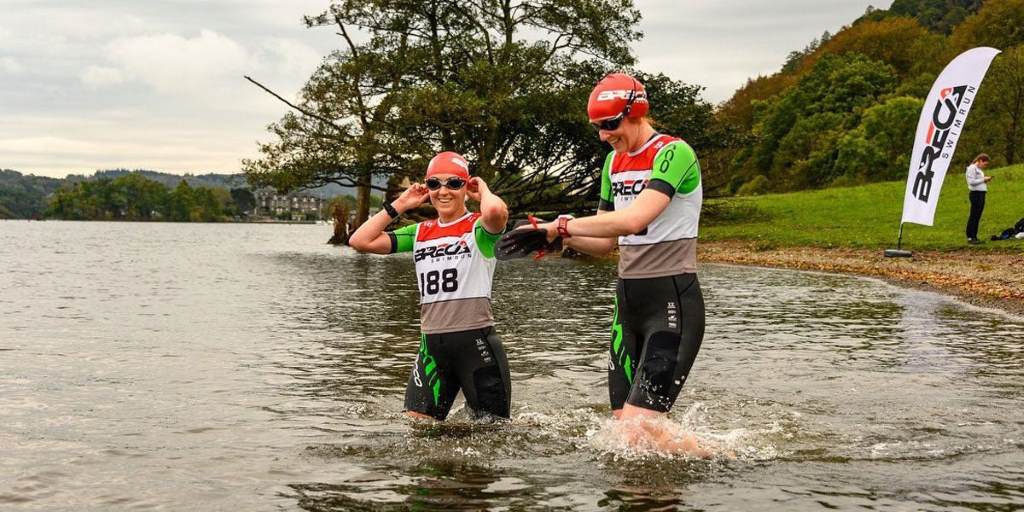
Swimrun races blend the thrill of swimming and running, demanding energy and strategy. Nutrition gels, a staple for endurance athletes, provide quick energy but can be tricky to carry in a wetsuit. As a swimrunner, I’ve faced the challenge of keeping gels accessible without losing them in open water or during a sprint. This guide shares practical tips, personal insights, and expert advice to help you carry gels effectively. Whether you’re prepping for Ötillö or a local event, mastering this skill boosts performance and confidence. Let’s dive into solutions for hydration, gear choices, and tactical options to ensure your energy stays high.
Why Nutrition Gels Matter in Swimrun
Nutrition gels are vital for maintaining energy during long-distance swimrun events. They deliver quick carbohydrates and electrolytes, crucial for sustained performance. According to a 2019 study by the Journal of Sports Sciences, consuming 30-60 grams of carbohydrates per hour enhances endurance in events lasting over two hours. In swimrun, where you alternate between swimming and running, gels prevent energy crashes.
Carrying gels in a wetsuit poses unique challenges. Water pressure, body movement, and wetsuit design can dislodge or damage them. I’ve lost gels mid-race due to poor planning, leaving me fatigued. Proper gear and techniques ensure gels stay secure and accessible, letting you focus on the race. Transitioning smoothly between disciplines requires preparation, so let’s explore practical solutions.
Choosing the Right Swimrun Wetsuit for Gel Storage
A swimrun wetsuit, like those from Ark Sports or Orca, is designed for flexibility and durability. Unlike traditional wetsuits, they often include pockets or loops for gear. When selecting a wetsuit, prioritize models with secure, accessible pockets. For instance, the Ark Sports Keel wetsuit has a rear pocket ideal for gels, balancing warmth and mobility.
Consider wetsuit fit and pocket placement. A tight fit prevents gels from shifting, but overly snug suits restrict movement. During a Coniston swim, I used a wetsuit with a side pocket, which kept gels secure but was hard to reach while running. Check pocket zippers or flaps for water resistance. According to a 2023 Triathlete Magazine review, wetsuits with sealed pockets reduce drag by 10%, improving swim efficiency.
Test your wetsuit in training to ensure comfort and accessibility. Look for suits with adjustable features to customize fit. This preparation prevents chaffing and ensures gels stay in place during dynamic race conditions.
Best Ways to Secure Nutrition Gels
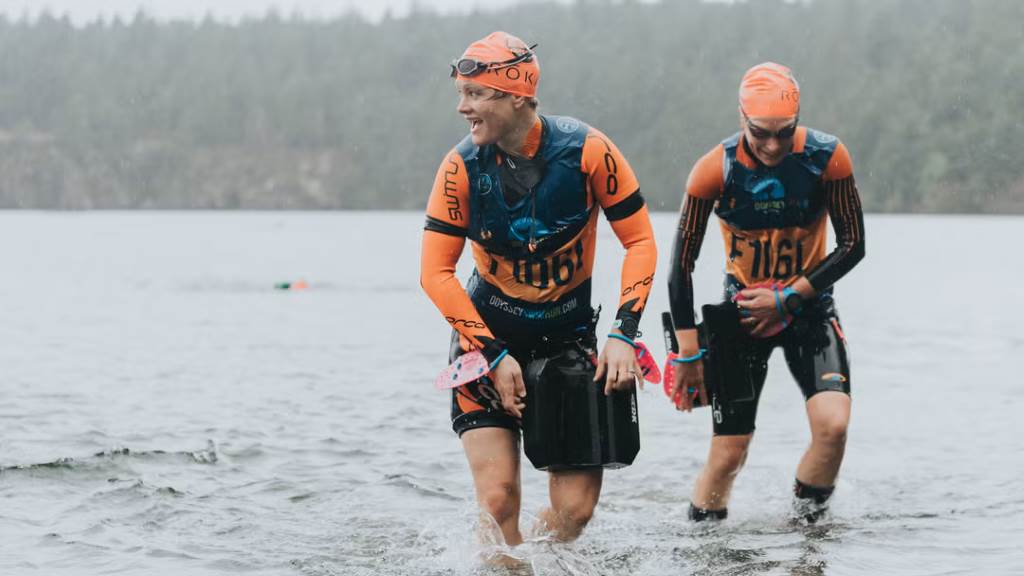
Securing gels in a wetsuit requires creativity and the right gear. Here are practical methods to keep them safe:
- Pockets with Zippers: Use wetsuit pockets with secure zippers. Place gels in a plastic snack baggie to prevent water damage.
- Gel Flasks: A HydraPak SoftFlask (250ml) holds multiple gels, reducing bulk. Attach it to a wetsuit loop or belt.
- Tape Solutions: Use packaging tape or electrical tape to secure gels to your wetsuit’s interior. This prevents movement but requires practice to access quickly.
- Bento Boxes: Small, lightweight bento-style containers clip onto wetsuits, offering durable storage for gels and electrolyte capsules.
In an Ötillö race, I taped gels to my wetsuit’s leg, but retrieval was slow. Gel flasks proved faster. Test methods in training to find your preference. Always check race rules, as some events, like Chillswim, restrict external gear for safety.
Hydration and Electrolyte Balance with Gels
Hydration is as critical as nutrition in swimrun. Gels like Clif Shot Blocks provide electrolytes, but you need a hydration strategy. A 2021 study by the International Journal of Sports Nutrition found that electrolyte imbalances reduce performance by 15% in endurance events. Pair gels with a water bottle or flask for balance.
Carry a 250ml bottle of liquid in a wetsuit pocket or use a hydration pack. During a long-distance swim, I alternated gels with sips from a soft flask, maintaining energy without stomach upset. Place flasks in accessible spots, like chest pockets, to avoid disrupting your swim stroke. Practice consuming gels while moving to mimic race conditions. This ensures you maintain electrolyte levels without slowing down.
Tactical Options for Gel Placement
Strategic gel placement enhances race efficiency. Place gels where they’re easy to grab but won’t interfere with swimming or running. Side pockets work well for running but may be awkward in water. Rear pockets are ideal for swimming, as they reduce drag. In a Cheltenham Swimming and Water Polo Club event, I placed gels in a rear pocket, accessing them easily during transitions.
Consider tethers or cords to secure flasks, preventing loss in open water. For example, Ark Uto wetsuits have loops for tethers, keeping gear close. Avoid overloading pockets, as excess weight affects flotation and speed. Test placements in training to find what suits your body and race style. Tactical planning saves time and energy.
Personal Preferences and Gear Upgrades
Personal preference shapes your gel-carrying strategy. Some swimmers prefer minimal gear, taping gels directly to their wetsuit for a lightweight feel. Others, like me, opt for a gel flask for quick access. During an Ark Orno X race, I upgraded to a flask with a dispenser, cutting retrieval time by half.
Experiment with gear like arm sleeves or undergarments for extra storage. Socks with cushioning can hold small items but may affect running form. According to a 2022 Runner’s World survey, 68% of endurance athletes prefer customizable gear for comfort. Try products like Enduralytes or coffee gum tins for unique storage solutions. Always balance convenience with race performance.
Common Mistakes to Avoid
Carrying gels sounds simple, but mistakes can derail your race. Overloading pockets adds weight, slowing you down. I once stuffed five gels in a single pocket, causing discomfort and drag. Use only what you need—typically one gel every 30-45 minutes. Ignoring wetsuit fit can cause chaffing, especially around the neck or shins.
Failing to test gear in training is another pitfall. A friend lost gels mid-race due to a faulty zipper. Practice with your setup to avoid surprises. Lastly, don’t rely solely on aid stations or feed stations, as they may not align with your timing. Plan your nutrition to maintain energy and avoid loss of attention.
FAQs
How many nutrition gels should I carry in a swimrun race?
Carry one gel per 30-45 minutes of activity, typically 3-5 for a standard race. Adjust based on event length and personal needs.
Can I use a hydration pack with a swimrun wetsuit?
Yes, lightweight hydration packs like HydraPak SoftFlask work well. Attach them to wetsuit loops or belts for easy access.
What’s the best way to prevent gels from getting wet?
Use waterproof pockets or seal gels in a plastic snack baggie. Taping gels inside the wetsuit also protects against water.
Are gel flasks better than individual gel packets?
Gel flasks, like HydraPak, hold multiple servings and are easier to carry. They’re ideal for quick access but require practice to use efficiently.
How do I avoid chaffing when carrying gels in a wetsuit?
Ensure a snug but comfortable wetsuit fit. Use anti-chafing cream and test gel placement to avoid irritation on long races.
Conclusion
Carrying nutrition gels in a swimrun wetsuit is a game-changer for endurance and performance. By choosing the right wetsuit, securing gels with flasks or tape, and balancing hydration, you can stay energized without losing focus. My races improved once I mastered these techniques, and I hope this guide helps you too. Experiment with gear, test in training, and find what works for your body. Share your tips or experiences in the comments below, or pass this article along to fellow swimrunners.