
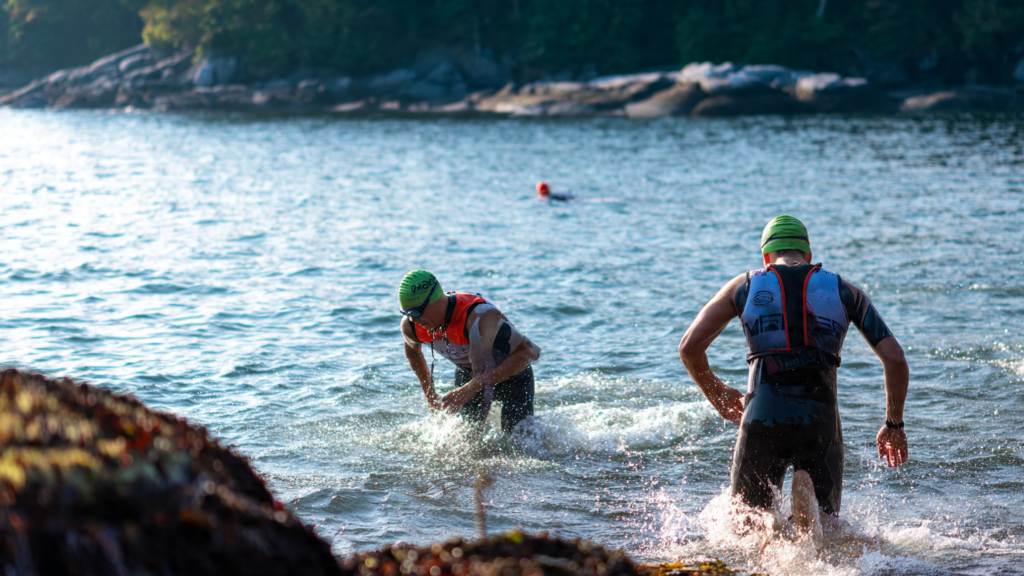
In a race where you alternate between running and swimming, going out too fast can sabotage your day. Slow-pace swimrun race strategies matter because they help you conserve energy, avoid burnout, and finish strong. Research shows the sport—Swimrun—is unique with huge variation in terrain and climate. For example, athletes in one review reported total race durations of five to ten hours or more depending on leg lengths and conditions. In this article you’ll discover practical strategies for pacing, transitions, nutrition, gear, teamwork and more—designed for a slower-paced goal where enjoyment and completion beat all-out speed.
What is Swimrun?
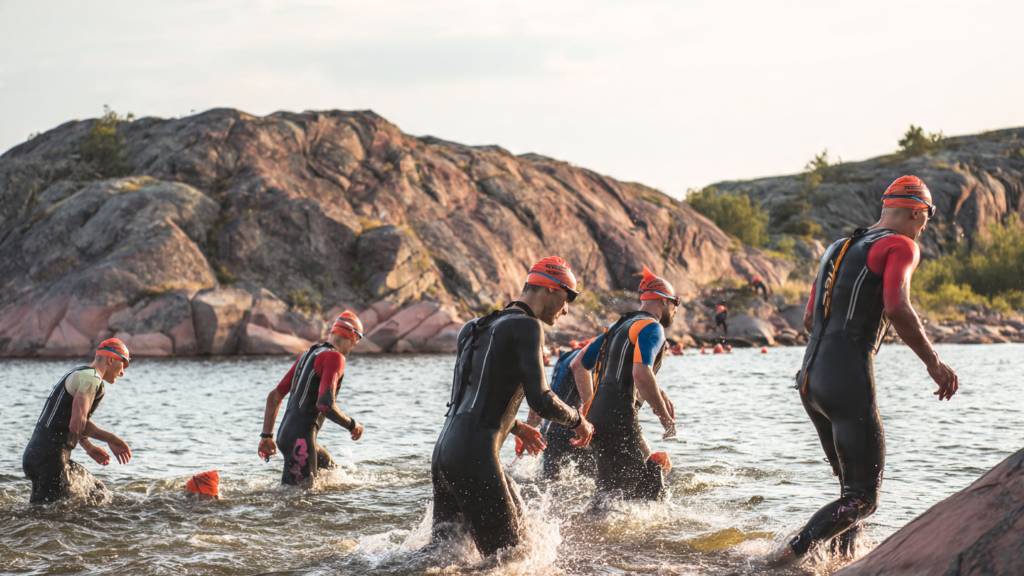
Before diving into strategy, let’s define the sport. Swimrun means you and a partner alternate between running (often on trail, mixed terrain) and open-water swimming. There are no separate transitions like in triathlon: you run in your wetsuit and swim in your shoes. Races vary hugely in distance and conditions. For slower-paced racers, the aim might be finishing comfortably rather than winning.
The Case for a Slow-Pace Strategy
Why go slow?
- When you sustain a moderate effort you minimise early fatigue. This is vital in swimrun because you’ll repeatedly switch between disciplines.
- Slower pace reduces the risk of massive muscle damage or cramping when running in cold water or on rough terrain. Research shows swimrun imposes extra demands because of changing environments and gear.
- You’ll enjoy the event more. Many participants report that swimrun is as much about “shared adventure” as performance.
What “slow-pace” means
For many slower-paced racers, this means choosing a pace in which you can talk in phrases while running, exit a swim without feeling wiped, and maintain energy to handle the entire race. It does not mean going so slowly you lose flow—just consciously choosing to hold back initially.
Pre-Race Strategy
Course research & pacing plan
- Study the route: note distances, elevation, swim lengths and water temperature. Knowing what’s ahead helps you set realistic pace expectations.
- Write the splits (swim/run legs) on your paddle or in your memory so you have mental checkpoints.
- Plan for a steady start. Many athletes make the mistake of sprinting early. As one guide warns: “Don’t start too hard.”
- Set time or pace goals per segment but leave wiggle room for transitions, terrain changes and fatigue.
Gear & preparation
- Use and train with the gear you’ll race in: wetsuit, shoes, goggles, tether if applicable. Familiarity reduces stress on race day.
- Make a race-day checklist: spare goggles, cap, drink bottle, whatever kit is mandatory and useful. Prep the night before so you’re not scrambling.
- Practice transitions repeatedly in training (running → swim and swim → run) so you move smoothly on race day.
Nutrition & hydration pre-race
- Fuel up the night before with easily digestible carbs and moderate protein.
- On race morning eat something you’ve used in training. Don’t try new food or drink.
- Hydrate well but avoid over-drinking just before start, which can cause stomach distress.
Pacing the Running Legs
Start conservative
On running legs, especially the first one, aim for a pace you could sustain for much longer than the actual distance. That means backing off if you feel “too good” early on. If you’re breathing hard in the first run, you likely burned too many matches.
Use effort zones
Rather than chasing pace times, use perceived effort. Aim for:
- Zone 1-2: comfortable conversation pace for easier runs.
- Zone 3: moderate effort when you recognise you’re a bit out of breath but sustainable.
Avoid Zone 4-5 early in the race unless it’s a short run leg you’re confident in.
Manage terrain & shoes
In swimrun you often run in your wetsuit and shoes. That increases drag and fatigue. On technical terrain (rocky, roots, steep) slow your pace, focus on stability and efficient foot placement. On downhill sections you can pick up more speed but control your braking—too fast means wasted energy.
Use runs to recover from swims
After a swim leg you’ll often feel heavy or cold. On the following run, slow your start and allow your legs to reacclimate. Use the first minutes of the run to gradually build back into your rhythm.
Pacing the Swimming Legs
Enter the water smoothly
Transitioning into water is tricky. Keep momentum: arrive at swim entry ready (goggles on, cap adjusted) and ease into the swim rather than walk slowly in and start full speed. Guides suggest “Just continue running, straight into the water.”
Choosing a comfortable pace
In the swim leg you don’t need to hammer. Choose a stroke rate and rhythm you can maintain without going into oxygen debt. Because you’ll run again soon, it’s smarter to stay steady.
Use drafting and sighting
When possible, tuck behind another swimmer or pair to reduce effort. Frequent sighting is essential in open water to avoid extra distance. Both these tactics conserve energy.
Exiting the swim effectively
As you approach the swim exit, engage your legs (kick gently) to stimulate blood flow and avoid “jelly legs” when you start running. This tip comes from seasoned racers.
Transitions (Run ↔ Swim and Swim ↔ Run)
Think of transitions as mini-legs
Transitions in swimrun aren’t formal areas like in triathlon—but they matter. Approach each transition with intent: prepare your gear, drink or eat briefly, and move smoothly.
Slow is smooth, smooth is fast
In transitions, err on the side of composure over haste. Juggling tired limbs, wetsuit, shoes and environment means mistakes can cost more time than a deliberate slow start. One experienced racer noted: “Don’t rush transitions.”
Check your gear at each transition
Make sure goggles, hat, tether (if used) and shoes are positioned and fastened BEFORE you hit water or land. Once you begin each leg, stop fiddling.
Use buddy-checks (for team races)
If you race as a team (which most swimruns do), use brief check-in moments at transitions: “Are you good?” “Shoes tied?” “Goggles on?” This builds coordination and avoids surprises.
Nutrition & Hydration Strategy for Slow-Pace Racing
Fuel often, don’t wait
Even when you’re going at a moderate pace, you will still burn energy. On longer events especially, start fueling early and repeatedly. One guide emphasises:
“Fuel early and keep fueling.” (activitywalesevents.com)
Choose the right foods and fluids
- Hydration: water plus electrolytes to replenish salt lost via sweat—especially important because water immersion may hide how much you sweat.
- Carbohydrates: gels, chews or easily digested snacks for sustained energy.
- Salts/minerals: especially in cold water swims where you may not feel sweat but still lose salt.
Match the fuel to the pace
Because you’re going slower you don’t need extreme refuelling—just consistent. If you race hard all out, you might need aggressive fueling; for moderate pace you focus more on fluid balance and pacing than “topping up” every minute.
Practice your strategy
Test your nutrition and hydration plan in training. What works at home may not work when running in a wetsuit or entering cold water. Adapt the plan to your realistic pace and conditions.
Gear & Equipment Strategy for Slow-Pace Success
Shoes and wetsuit
Choose shoes with good grip and moderate weight. A light trail running shoe that drains water works better than heavy road shoes. Wetsuit should allow good running mobility as well as decent swim buoyancy.
Accessories
- Pull buoy or tow-rope (if allowed) for swim sections. Using a pull buoy can help reduce leg fatigue from running shoes dragging in the water. (Triathlete)
- Goggles and cap optimised for open water—clear if early morning or low light, tinted if bright.
- Hydration bottle or pack that you can carry and access easily while running.
- Anti-chafe balm, gloves or caps for cold conditions, tether if you’re racing as a pair. (swimrun-advice.com)
Training in race gear
This is critical. Run and swim in the exact or similar gear you’ll use in the event. Practice transitions and feel how you move, how shoes drain, how wetsuit fits when running. That real-world practice builds confidence and avoids surprises.
Team Strategy (for Pair Races)
Stay together and consistent
In most swimruns you race in teams of two. If you go slow, aim for same effort rather than one partner dragging the other. Match pace; keep communication strong. One guide emphasises:
“Communicate, communicate, communicate.” (activitywalesevents.com)
Leverage each partner’s strength
If one partner swims stronger and the other runs stronger, alternate leadership: the swimmer leads in water, the runner leads on land. This strategy allows both to conserve energy where they’re weaker.
Safety and support
In open water with unknown terrain, staying together improves safety, morale, pacing and gear sharing.
Mind the tether
If you use a tether, pick one that allows enough distance so you’re not head-to-feet all the time, yet close enough to benefit from drafting and partner support.
Mental Strategy for a Slow-Pace Swimrun
Embrace the day as an adventure
Because you’re going for steady pace, the mindset shifts from “win” to “finish well and enjoy it.” That mental shift changes how you respond to fatigue.
Use micro-goals
Break the race into manageable chunks: next swim, next run climb, next drink station. Celebrate small wins rather than obsessing on entire race length.
Accept ups and downs
Terrain, water temperature, weather and fatigue will vary. One seasoned racer said:
“Accept your ups and downs.” (activitywalesevents.com)
Recognising this allows you to ride through low moments without panic.
Visualise the finish
Picture yourself at the end: crossing the line strong, smiling, celebrating. Use that finish image to guide your pace when you feel like pushing too hard early.
Post-Race Strategy & Recovery
Cool down and debrief
After the race, do a light jog or swim if possible. Stretch key muscles. Review how pacing felt, what gear or nutrition worked, what didn’t.
Refuel and rehydrate
Within 30–60 minutes after crossing the finish line eat a mix of carbs and protein. Hydrate with electrolytes and plain water.
Active recovery
The next day go for a light walk or swim. Your legs will feel it—but you’ll be surprised how a moderate pace race still hits you if you didn’t follow slower-pace strategy.
Learn for next time
Keep a log of what you did: gear, nutrition, transitions, pace, how you felt. Use that for future events. Pacing is a skill refined over time.
Example Strategy Plan for Slow-Pace Swimrun
Here’s a sample plan you could apply leading up to race day:
Weeks –6 to –4 (base building):
- 2 runs per week at conversation pace, increasing from 30 to 60 minutes.
- 1 swim per week of moderate length (30-45 minutes) focusing on form, not speed.
- 1 combined session: run 20 minutes, then swim 500 m, then run 10 minutes.
Weeks –4 to –2 (specific race prep):
- Practice with gear: trail shoes + wetsuit, transitions included.
- One long session every other week: e.g., run 40 min, swim 700 m, run 30 min.
- Nutrition practice: carry the same fuel/drink you’ll use on race day.
Week –1 (taper):
- Reduce volume by 40–50 %.
- One short gear session (run + swim) at slow pace.
- Final gear check: shoes, wetsuit fit, safety kit.
Race day (slow-pace strategy):
- Start run leg at conversation pace.
- In the first swim leg ease in, keep a controlled stroke.
- At transition slow the pace intentionally for 30 seconds, check gear.
- Use nutrition station or your bottle every ~30–45 minutes.
- Communicate with partner: “How are you feeling?” “Let’s keep steady.”
- In final run leg if you still have energy, you may pick up pace—but only if your body remains comfortable.
- Cross the finish smiling, talk about the experience, recover.
Key Takeaways
- Slow-pace doesn’t mean lazy—it means smart, sustainable, strategic.
- Know the course, choose gear you trust, train with it, practise transitions.
- On run and swim legs: pace yourself early, conserve energy, use effort zones not ego.
- Nutrition and hydration matter even at a moderate pace—fuel often, don’t wait.
- Teamwork and communication in paired race make a big difference.
- Recovery and learning post-race are as important as the race itself.
FAQs
1. How do I know the right “slow” pace for my race?
Choose a pace you can comfortably hold for at least double the leg length you’ll run or swim next. If you can talk in short sentences, you’re likely in a good zone.
2. Can I still finish well if I start slow?
Yes. Starting slow lets you conserve energy so that you maintain pace or even accelerate late in the race. Many successful athletes follow this strategy.
3. How much nutrition should I carry for a slower-pace swimrun?
Even at moderate pace you’ll need regular fuel. Carry enough to take a snack or gel every 30-45 minutes and drink at each opportunity. Match it to your expected race time and conditions.
4. What is the biggest mistake in swimrun pacing?
The most common error: starting too fast in the run or swim because of excitement. That leads to early fatigue, slow catch-up, and loss of enjoyment.
5. How important is my partner’s pace when racing together?
Very important. If one partner goes faster than the other, the slower one gets pulled or the faster one drains energy. Agree on a mutual sustainable pace and check-in regularly.
References
- R. Lepers et al., “Swimrun: An emerging new endurance sport”, Motions (2018). Available at: https://www.mov-sport-sciences.org/articles/sm/full_html/sm170017/sm170017.html
- C. Geromont et al., “Swimrun race, athletes, safety and performance: A brief review”, ScienceDirect (2021). Available at: https://www.sciencedirect.com/science/article/pii/S2666337621000639
- Swimrun Advice, “Race Day Advice! Essential Swimrun Tips”, updated January 2025. Available at: https://www.swimrun-advice.com/race-day-advice.html