
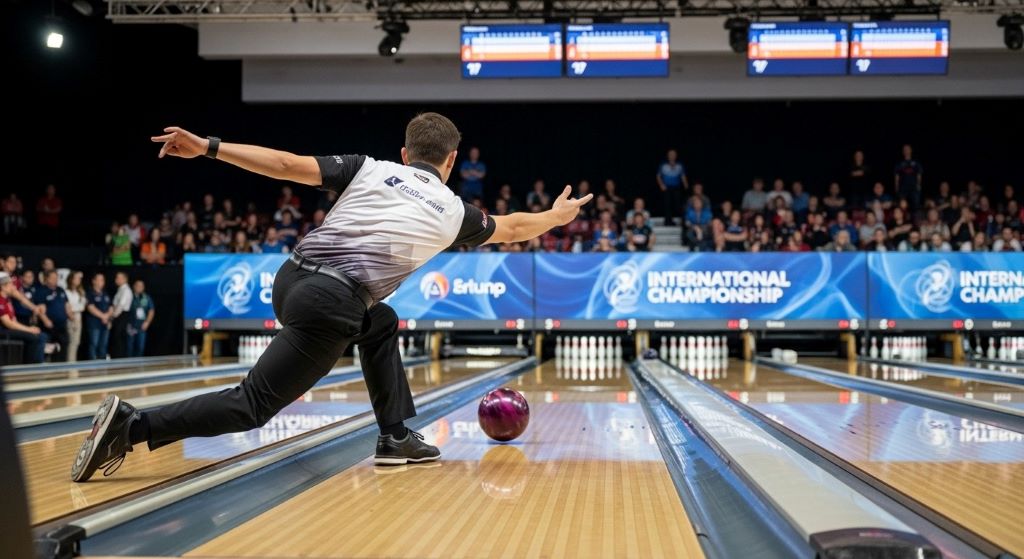
The question of whether bowling qualifies as a sport under international sports law generates ongoing debate. Many people view bowling as recreational entertainment rather than serious athletic competition. However, international sports organizations have established clear criteria for sport classification that bowling meets in multiple ways.
Understanding bowling’s legal status requires examining international sports governance structures and recognition standards. This analysis reveals how bowling fits within the global sports framework and what that means for athletes, organizations, and competitions worldwide.
Defining Sport Under International Law
International sports law lacks a single universal definition of sport. Instead, various governing bodies apply their own criteria for recognition. The International Olympic Committee, Court of Arbitration for Sport, and national governments each maintain distinct standards.
Most definitions include common elements like physical exertion, skill development, competitive structure, and established rules. Additionally, organized governance and international participation factor into sport classification. Therefore, examining these criteria helps determine bowling’s status.
The Council of Europe’s European Sports Charter provides widely accepted guidance. This document defines sport as all forms of physical activity contributing to physical fitness, mental wellbeing, and social interaction. Competitive elements enhance but don’t define sport under this framework.
UNESCO’s International Charter of Physical Education and Sport similarly recognizes diverse activities. These international instruments establish that sports encompass more than just Olympic competitions. Consequently, bowling can qualify even without Olympic inclusion.
The Structure of International Bowling Governance
World Bowling serves as the international federation governing tenpin bowling worldwide. Founded in 1952 as the Federation Internationale des Quilleurs, this organization oversees global competitions and establishes universal rules. Currently, World Bowling represents 130 member federations across all continents.
The organization maintains recognition from the International Olympic Committee as the official governing body. This IOC recognition represents significant legitimacy under international sports law. Moreover, World Bowling follows the Olympic Charter and World Anti-Doping Code requirements.
Regional confederations operate under World Bowling’s umbrella structure. The Pan American Bowling Confederation, European Bowling Federation, and Asian Bowling Federation coordinate continental competitions. These regional bodies mirror organizational structures of undisputed sports like athletics and swimming.
National federations regulate bowling within individual countries following international standards. United States Bowling Congress, Tenpin Bowling Australia, and similar organizations maintain standardized rules aligned with World Bowling regulations. Therefore, bowling demonstrates the hierarchical governance typical of recognized sports.
Olympic Recognition and Sport Status
The International Olympic Committee recognizes approximately 90 international sports federations. However, only about 50 sports currently appear on Olympic programs. Recognition alone establishes legitimacy under international sports law regardless of Olympic inclusion.
World Bowling gained provisional IOC recognition in 2014 and full recognition in 2015. This milestone confirmed bowling’s status as an Olympic sport under international governance. Additionally, the IOC evaluates federations based on global participation, anti-doping compliance, and governance standards.
Bowling appeared in the 1988 Seoul Olympics as a demonstration sport. While not achieving permanent Olympic status yet, this inclusion demonstrated bowling’s competitive credibility. Moreover, bowling continues pursuing full Olympic program inclusion for future Games.
The World Games includes bowling as a medal sport, further cementing its international status. This multi-sport event features sports recognized by the IOC but not currently on Olympic programs. Consequently, bowling competes alongside other legitimate sports awaiting Olympic inclusion.
According to ESPN, bowling’s Olympic recognition demonstrates its status as an established international sport despite not yet achieving full Games participation.
Physical and Athletic Requirements in Bowling
Professional bowling demands significant physical capabilities beyond casual perception suggests. Athletes develop specific muscle groups through repetitive motion and maintain conditioning for multi-hour competitions. Core strength, leg stability, and upper body control prove essential for consistent performance.
Modern professional bowlers train like other athletes with strength programs and cardiovascular conditioning. Tournament schedules require physical endurance spanning multiple days of competition. Additionally, the mental focus needed mirrors requirements in golf, shooting, and other precision sports.
Biomechanical studies reveal bowling’s athletic complexity. The approach and release involve coordinated movements engaging the entire body. Therefore, skilled bowlers demonstrate measurable athletic performance beyond simple recreational activity.
Professional bowlers can deliver balls at speeds exceeding 20 miles per hour with precise spin control. This combination of power and precision requires years of training and natural athletic ability. Moreover, professional careers often end due to physical injuries similar to other sports.
International Competition and Championships
World Bowling sanctions numerous international championships establishing competitive legitimacy. The World Bowling Championships occur biennially with national teams competing across multiple events. These competitions follow standardized formats and rules recognized globally.
The Weber Cup represents bowling’s equivalent to golf’s Ryder Cup, featuring team competitions between continents. Professional Bowlers Association tournaments offer substantial prize money attracting elite international athletes. Additionally, regional championships throughout Asia, Europe, and the Americas create comprehensive competitive structures.
Youth development programs operate internationally under World Bowling supervision. Junior championships identify emerging talent and provide pathways to professional careers. These structured development systems mirror those in recognized Olympic sports.
Prize money in professional bowling reaches significant levels comparable to other individual sports. The PBA Tour distributes millions annually, while international events offer substantial rewards. Therefore, bowling supports professional athletes as legitimate sports careers worldwide.
Anti-Doping and Regulatory Compliance
World Bowling maintains comprehensive anti-doping programs following World Anti-Doping Agency standards. Athletes undergo random testing at international competitions and face sanctions for violations. This regulatory framework matches requirements for all Olympic sports.
The organization publishes detailed anti-doping rules and educational materials for athletes. Testing protocols include both in-competition and out-of-competition samples. Moreover, World Bowling maintains therapeutic use exemption procedures for legitimate medical needs.
Governance standards require transparent financial reporting and democratic decision-making processes. World Bowling’s constitution outlines clear operational procedures and accountability measures. Additionally, the organization adheres to IOC ethics codes and good governance principles.
These regulatory structures demonstrate bowling’s alignment with international sports law requirements. Compliance with WADA standards particularly indicates serious sport status. Therefore, bowling operates within the same legal framework governing all recognized international sports.
Legal Precedents and Court Recognition
Courts worldwide have addressed bowling’s classification in various legal contexts. Workers’ compensation cases, tax disputes, and athlete classification issues require determining sport status. Generally, judicial decisions recognize bowling as a legitimate sport rather than mere recreation.
The Court of Arbitration for Sport has jurisdiction over international bowling disputes. This specialized tribunal handles cases involving World Bowling and its member federations. CAS jurisdiction itself indicates bowling’s recognition under international sports law frameworks.
National legislation frequently includes bowling in sport definitions for regulatory purposes. Tax exemptions, facility regulations, and athlete support programs classify bowling alongside traditional sports. Consequently, legal systems acknowledge bowling’s sport status practically if not explicitly.
Insurance and liability frameworks treat bowling as a sport for coverage purposes. Professional bowlers receive athlete classifications for visa and immigration matters. Therefore, practical legal recognition supports bowling’s theoretical sport status.
According to The New York Times, debates about what constitutes an Olympic sport continue, but IOC recognition itself establishes legitimacy under international sports governance.
Comparison with Other Recognized Sports
Bowling shares characteristics with numerous Olympic sports questioning traditional athletic definitions. Shooting sports require precision and concentration but limited cardiovascular exertion. Equestrian events involve animal partnerships rather than pure human athleticism. Curling combines strategy with measured physical execution.
These comparisons highlight that international sports law recognizes diverse activity types. Physical demands vary considerably across recognized sports. However, organization, competition, and skill development unite them under sport classifications.
Chess and bridge have sought IOC recognition despite minimal physical components. Their inclusion debates reveal that international sports law evolves beyond traditional athleticism. Therefore, bowling’s physical demands exceed minimum thresholds by considerable margins.
Darts, another precision sport, maintains recognized status in many jurisdictions. Similarities between darts and bowling strengthen arguments for bowling’s sport classification. Additionally, both demonstrate measurable skill progression and competitive depth.
Economic Impact and Professional Status
The global bowling industry generates billions annually through equipment, facilities, and competitions. Professional tours operate across multiple continents with corporate sponsorships and media coverage. This economic significance mirrors that of established sports industries.
Professional bowlers earn livings through tournament winnings, endorsements, and appearance fees. Career structures parallel those in golf, tennis, and other individual sports. Moreover, retirement and injury considerations affect professional bowlers like other athletes.
Facility investments for competition bowling exceed typical recreational venues. Championship centers meet specific technical standards for lane conditions and environmental controls. Therefore, the infrastructure supporting competitive bowling demonstrates serious sport commitment.
Media coverage includes television broadcasts, streaming platforms, and dedicated sports networks. International competitions attract viewership comparable to other niche sports. Additionally, digital engagement continues growing among younger demographics.
Educational and Scholarship Opportunities
Universities worldwide offer bowling scholarships recognizing it as a collegiate sport. The National Collegiate Athletic Association governs college bowling in the United States. Student-athletes receive the same benefits and protections as participants in other NCAA sports.
High school bowling programs operate under state athletic association governance. Participants qualify for academic eligibility requirements and state championship competitions. Consequently, bowling integrates into educational athletics at all levels.
Scholarship opportunities create pathways combining athletic and academic pursuits. Universities invest in bowling programs, coaching staff, and competition travel. These commitments reflect institutional recognition of bowling’s sport status.
Youth development extends beyond elite competition into recreational programs teaching life skills. Structured coaching, progressive skill development, and character education occur through bowling programs. Therefore, bowling serves educational functions typical of recognized youth sports.
Arguments Against Sport Classification
Critics argue bowling’s accessibility and social aspects diminish its sport legitimacy. The activity allows casual participation without extensive training or physical conditioning. However, this accessibility argument applies equally to running, swimming, and many Olympic sports.
The recreational bowling industry far exceeds competitive participation, creating perception challenges. Most people experience bowling as entertainment rather than serious competition. Nevertheless, recreational and competitive versions coexist in virtually all sports.
Limited media coverage compared to mainstream sports affects public perception. Professional bowling receives less attention than football, basketball, or soccer. Additionally, declining participation in some markets raises questions about global popularity.
Some jurisdictions exclude bowling from sport definitions for specific legal purposes. Gambling regulations or facility zoning sometimes classify bowling differently. However, these isolated exceptions don’t override international sports law recognition.
Conclusion
Bowling unquestionably qualifies as a sport under international sports law based on objective criteria. The International Olympic Committee recognition, comprehensive governance structures, and anti-doping compliance establish bowling’s legitimacy. Professional competitions, athletic requirements, and global participation further support sport classification. Therefore, while public perception may vary, legal and organizational frameworks clearly recognize bowling as an international sport. The ongoing pursuit of full Olympic inclusion may eventually shift broader cultural perceptions to align with bowling’s established legal status within international sports governance.
Frequently Asked Questions
Does the International Olympic Committee recognize bowling as a sport?
Yes, the IOC granted World Bowling full recognition in 2015 as the international governing body for tenpin bowling. This recognition confirms bowling’s status as an Olympic sport under international sports law, though it hasn’t yet achieved inclusion on the Olympic Games program.
What physical skills does competitive bowling require?
Competitive bowling demands core strength, leg stability, precision timing, and hand-eye coordination. Professional bowlers train extensively for endurance, consistency, and injury prevention. Additionally, biomechanical efficiency and mental focus prove essential for high-level performance.
Are there professional bowling athletes who earn livings from the sport?
Yes, professional bowlers compete on international tours earning income through prize money, sponsorships, and endorsements. The PBA Tour and international competitions offer substantial financial rewards. Many athletes maintain full-time professional careers in competitive bowling.
How does bowling compare to other precision sports like golf or archery?
Bowling shares characteristics with golf and archery including precision requirements, mental focus, and skill-based competition. All three sports have professional tours, international governing bodies, and Olympic recognition. However, bowling involves more repetitive physical motion than golf or archery.
Can bowling be part of the Olympics in the future?
Bowling remains eligible for future Olympic inclusion following its IOC recognition. World Bowling continues pursuing full Olympic program status for upcoming Games. Several factors including global participation, media appeal, and host city interest influence potential Olympic inclusion.
Related Topics:
How to Plan an Epic Trip to the ÖTILLÖ World Championship
The Origin of SwimRun: How, When and Who Invented SwimRun